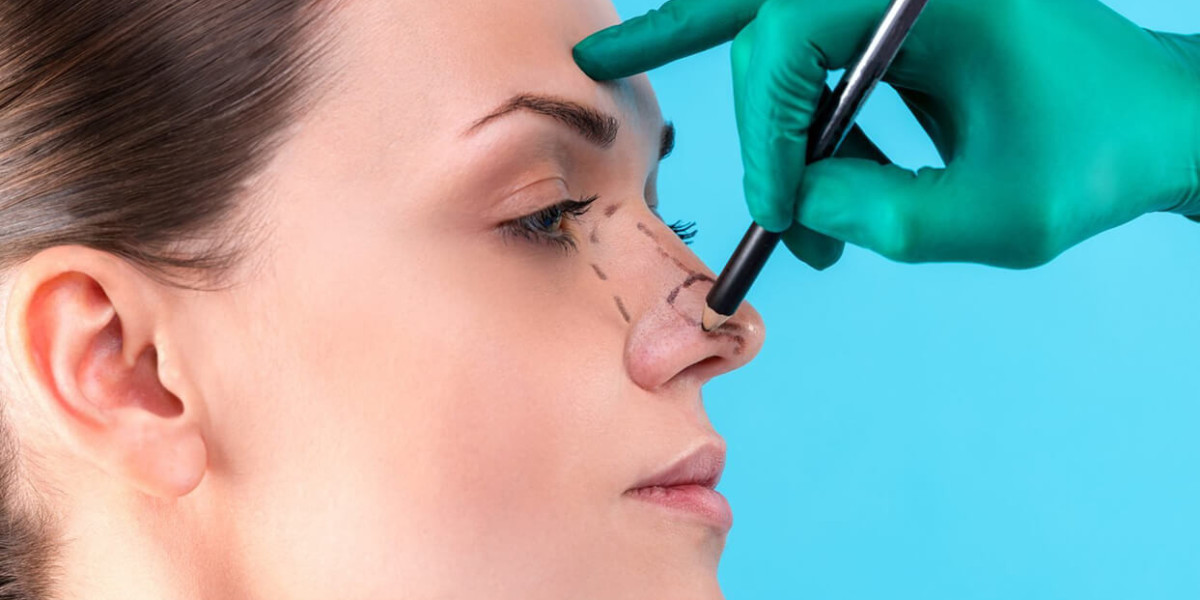

Revision rhinoplasty, commonly referred to as secondary nose surgery, is one of the most intricate and technically demanding procedures in the entire field of plastic surgery. Whether an individual is seeking to correct persistent breathing obstructions, resolve lingering asymmetry, or address unsatisfactory aesthetic outcomes from a previous nose job, undergoing a secondary operation requires an extraordinary level of surgical expertise. As Riyadh continues to expand its standing as a premier global healthcare and aesthetic destination in the Middle East, an increasing number of patients are turning to top-tier board-certified specialists in the Saudi capital to correct past surgical disappointments. Understanding the complexities, challenges, and preparation required for revision rhinoplasty in Riyadh is essential for achieving a safe and satisfying transformation. Learn everything you need to know about Rhinoplasty in Riyadh, including the procedure, preparation, recovery, and expected results.
Why Patients Seek Revision Rhinoplasty
The decision to undergo a secondary rhinoplasty is rarely made lightly. Patients typically seek out revision surgery months or even years after their primary procedure due to a combination of functional and aesthetic concerns that were left unresolved or created by previous operations.
1. Functional Complications and Airway Collapse
The most critical objective of any nasal surgery is preserving or improving respiratory health. Unfortunately, aggressive primary surgeries that remove excessive bone and cartilage can lead to structural instability. This often results in internal or external nasal valve collapse, chronic breathing obstruction, severe snoring, and persistent sinus issues. Repairing these functional failures is a primary medical motivation for revision surgery.
2. Persistent Aesthetic Asymmetry and Contour Flaws
Healing variables, scar tissue contraction, or imprecise surgical execution during a primary procedure can lead to visible flaws over time. Common aesthetic complaints include a residual or newly formed dorsal hump, a pinched or collapsed nasal tip, a severely crooked bridge, or noticeable contour irregularities and depressions under the skin.
3. The "Pollybeak" Deformity and Over-Resection
A classic complication of poorly executed primary rhinoplasty is the pollybeak deformity, where the area just above the nasal tip rounds out and sits higher than the tip itself, resembling a parrot's beak. This typically occurs due to insufficient cartilage reduction on the bridge combined with inadequate tip projection. Conversely, an over-resected nose—often called a "scooped" or "saddle" nose—occurs when too much bridge support is removed, creating an unnatural, collapsed profile.
The Technical Complexity of Revision Surgery
Revision rhinoplasty is vastly more complex than a primary procedure for several distinct anatomical reasons. When a surgeon enters a nose that has already been operated on, they are no longer working with virgin anatomy.
Instead, the surgeon encounters internal scar tissue, altered tissue planes, and weakened structural support. The original cartilage framework may be severely depleted because previous surgeons already trimmed or removed essential structural elements. As a result, revision rhinoplasty almost always requires advanced reconstructive techniques, including precise cartilage grafting.
Because the native septum may have already been harvested during the first surgery, revision specialists frequently need to harvest strong cartilage grafts from alternative donor sites, such as the ear or the rib. Sourcing, shaping, and securing these grafts to rebuild a stable, symmetrical, and fully functional nasal architecture requires an exceptionally high degree of surgical mastery and artistic vision.
Choosing the Right Revision Specialist in Riyadh
Because secondary rhinoplasty leaves very little room for error, choosing the right plastic surgeon is the single most important decision you will make. When evaluating practitioners in Riyadh, patients must look for surgeons who possess specific qualifications:
Board Certification and Advanced Training: Ensure the surgeon is officially board-certified in plastic surgery or otolaryngology and holds specialized fellowships in facial plastic and reconstructive surgery.
Extensive Revision Portfolio: Ask specifically to see a robust portfolio of before-and-after cases focusing on revision rhinoplasty. Reviewing work on patients with complex structural repairs provides tangible proof of the surgeon's capability.
Transparent Communication: A skilled revision specialist will conduct an honest, realistic evaluation during your initial consultation. They will explain what can and cannot be safely achieved, acknowledging the limitations imposed by your existing scar tissue and skin thickness.
The Consultation and Diagnostic Evaluation
A comprehensive consultation is the foundation of a successful revision journey. During this appointment, your Riyadh surgeon will conduct a meticulous physical examination of your nasal skin thickness, internal mucosal health, and structural integrity.
Surgeons will also review your complete medical history, including operative reports from your previous rhinoplasty if available. Understanding exactly what was done during your first surgery provides critical insight into what needs to be corrected. Advanced 3D imaging is frequently utilized during this phase to map out a customized surgical blueprint, allowing you and your surgeon to establish realistic, shared expectations for your secondary transformation.
Managing Expectations and Healing Realities
Patients entering revision rhinoplasty must possess grounded expectations. Because scar tissue is present and tissue elasticity is reduced, achieving absolute perfection can be more challenging than in a primary procedure. The primary goals are always to improve structural stability, restore healthy airflow, enhance overall facial harmony, and correct glaring deformities.
Furthermore, the recovery timeline for a revision rhinoplasty is often prolonged compared to a primary procedure. Because the tissues have undergone trauma twice, localized swelling and inflammation persist longer. While initial healing milestones remain similar—such as external splint removal around day seven and returning to desk work within three to four weeks—the final resolution of microscopic swelling and the settling of the final contours can take anywhere from twelve to eighteen months, particularly in patients with thick skin or extensive cartilage grafts.
Conclusion
Revision rhinoplasty in Riyadh represents the ultimate intersection of advanced reconstructive science and refined aesthetic artistry. While undergoing a secondary nose surgery can bring natural anxieties, partnering with a highly experienced, board-certified facial plastic surgeon in the Saudi capital ensures you receive world-class care tailored to your unique anatomical needs. By approaching the process with realistic expectations, thorough preparation, and a commitment to meticulous post-operative recovery, patients can successfully overcome past surgical disappointments, restore effortless breathing, and achieve a balanced, confident profile that lasts a lifetime.