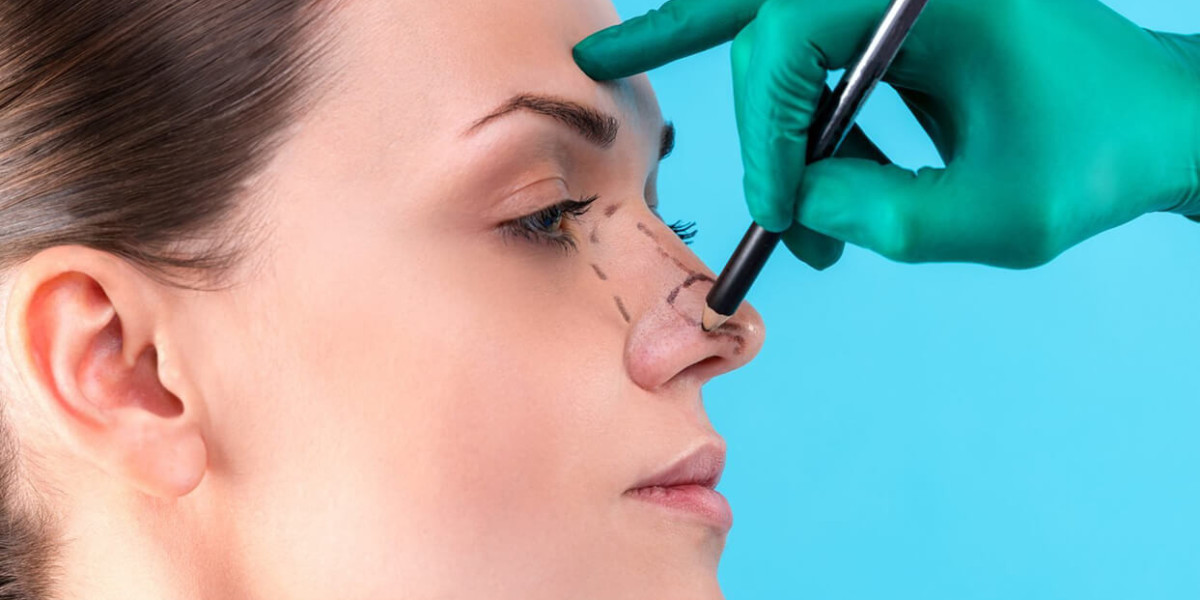

Embarking on a rhinoplasty journey is an exciting step toward achieving facial harmony, balanced proportions, and improved respiratory health. However, because nose reshaping is a meticulous surgical procedure, patients naturally harbor questions and concerns regarding the healing process, particularly about incisions and potential scarring. Understanding how incisions are planned, how scars mature, and how proper post-operative care can minimize their visibility is essential for anyone considering this transformation. With expert surgical technique and diligent home care, rhinoplasty scars can heal to become virtually imperceptible. Learn everything you need to know about Rhinoplasty in Riyadh, including the procedure, preparation, recovery, and expected results.
Understanding Rhinoplasty Incisions: Open vs. Closed
The visibility and location of your scars depend entirely on the surgical approach recommended by your board-certified plastic surgeon. During your initial consultation, your surgeon will evaluate your unique nasal anatomy to determine whether an open or closed technique is best suited for your goals.
Closed Rhinoplasty Incisions
In a closed rhinoplasty, also known as endonasal rhinoplasty, all surgical incisions are made entirely inside the nostrils. Because every cut is hidden within the internal mucosal lining of the nasal cavity, there are zero external incisions. Consequently, closed rhinoplasty leaves absolutely no visible external scarring on the face. This technique is typically utilized for patients requiring moderate adjustments to the bridge or tip, where extensive structural rebuilding is not necessary.
Open Rhinoplasty Incisions
An open rhinoplasty involves combining internal nostril incisions with a small external bridging cut known as a transcolumellar incision. This tiny incision is placed across the columella, which is the narrow strip of tissue separating the nostrils at the base of the nose. By making this external connection, the surgeon can gently lift the skin envelope off the underlying bone and cartilage to gain direct, unobstructed visibility. While this approach does leave a small external scar across the columella, skilled surgeons place it strategically in the narrowest part of the tissue, often utilizing a stepped or zig-zag pattern (an inverted-V incision) to break up the light reflex and promote optimal healing. In the vast majority of cases, this scar fades rapidly until it becomes virtually invisible during normal social interactions.
The Natural Scars Maturation and Healing Timeline
Skin and underlying soft tissues heal through a predictable, multi-phase biological process. Knowing what to expect during each stage of scar maturation helps alleviate anxiety and ensures you maintain proper care habits.
The Immediate Post-Op Phase (Weeks 1 to 4)
During the first few weeks following surgery, the incision site will appear pink, slightly raised, and tender. If you underwent an open procedure, your sutures will typically be removed between seven and ten days post-op during your first follow-up appointment. At this stage, the incision is still in its earliest stages of closure, and the skin surrounding the area will be swollen and sensitive. It is vital to keep the area clean and avoid picking at any minor crusting.
The Remodeling Phase (Months 2 to 6)
As the body begins producing collagen to strengthen the healing tissue, scars can sometimes temporarily turn a deeper pink or reddish color. This is a normal part of the inflammatory and remodeling phase. Collagen fibers are reorganizing and flattening out. During months two through six, protecting the incision from environmental stressors, especially ultraviolet radiation, is critical to prevent permanent hyperpigmentation.
Long-Term Maturation (Months 6 to 12 and Beyond)
Over the course of six months to a full year, the scar continues to mature. The excess blood supply to the area gradually diminishes, causing the pink color to fade significantly. For most patients, the columellar scar flattens out entirely, blending seamlessly with the natural skin tones and contours of the nose. By the one-year mark, the scar has reached its final, permanent state.
Essential Incision Care Guidelines for Optimal Healing
While skilled surgical execution lays the groundwork for minimal scarring, your day-to-day post-operative care plays an equally vital role in determining how well your skin heals. Adhering strictly to your surgeon's recovery instructions ensures the best possible cosmetic outcome.
1. Keep the Incision Clean and Moist
Following your surgeon’s precise hygiene protocols is paramount. You will typically be instructed to gently clean the incision line using a sterile saline solution or mild antibacterial cleanser and a cotton swab to remove dried blood or crusting. Applying a thin layer of recommended ointment, such as petroleum jelly or prescribed antibiotic ointment, keeps the wound moist, which accelerates skin re-epithelialization and minimizes scab formation.
2. Protect the Scar From Sun Exposure
Ultraviolet (UV) radiation is the number one enemy of healing skin. Exposing a fresh scar to the sun can cause melanocytes to overproduce pigment, resulting in permanent hyperpigmentation (darkening of the scar tissue). For the first six to twelve months post-surgery, you should strictly avoid direct sun tanning on your nose. When going outdoors, wear a wide-brimmed hat, seek shade, and apply a broad-spectrum sunscreen with an SPF of 30 or higher once your surgeon confirms the incision has fully closed.
3. Avoid Mechanical Stress and Picking
During the first few weeks, the newly formed skin bridging your incision is delicate and vulnerable. Never pick at scabs, rub your nose aggressively, or apply unnecessary friction when washing your face or drying off with a towel. Allow scabs to fall off naturally. Furthermore, avoid wearing heavy eyewear directly across the bridge or columella until your surgeon gives you official clearance, as pressure can distort healing tissues.
4. Utilize Advanced Scar Management Products
Once your surgeon confirms that the incision has completely healed and closed—usually around three to four weeks post-op—you may be advised to incorporate advanced scar management products into your daily routine. Medical-grade silicone gels or silicone sheeting are widely considered the gold standard in dermatology and plastic surgery. Silicone helps hydrate the scar tissue, regulate collagen production, and flatten raised areas. Applying silicone gel consistently for several months can dramatically improve the final texture and color of your scar.
Factors That Influence Scar Appearance
Every individual's skin heals differently based on a unique combination of genetics, biology, and lifestyle habits:
Skin Type and Ethnicity: Individuals with thicker, oilier skin or specific ethnic backgrounds prone to keloid or hypertrophic scarring may require specialized pre- and post-operative care protocols to manage scarring risks.
Smoking and Nicotine: Nicotine is a potent vasoconstrictor that restricts blood flow and oxygen delivery to healing tissues. Smoking dramatically increases the risk of delayed wound healing, tissue necrosis, and prominent, widened scarring. Quitting smoking well before surgery is essential.
Surgical Technique: A meticulous surgeon handling tissues with delicate care minimizes trauma, reducing the inflammatory response and en