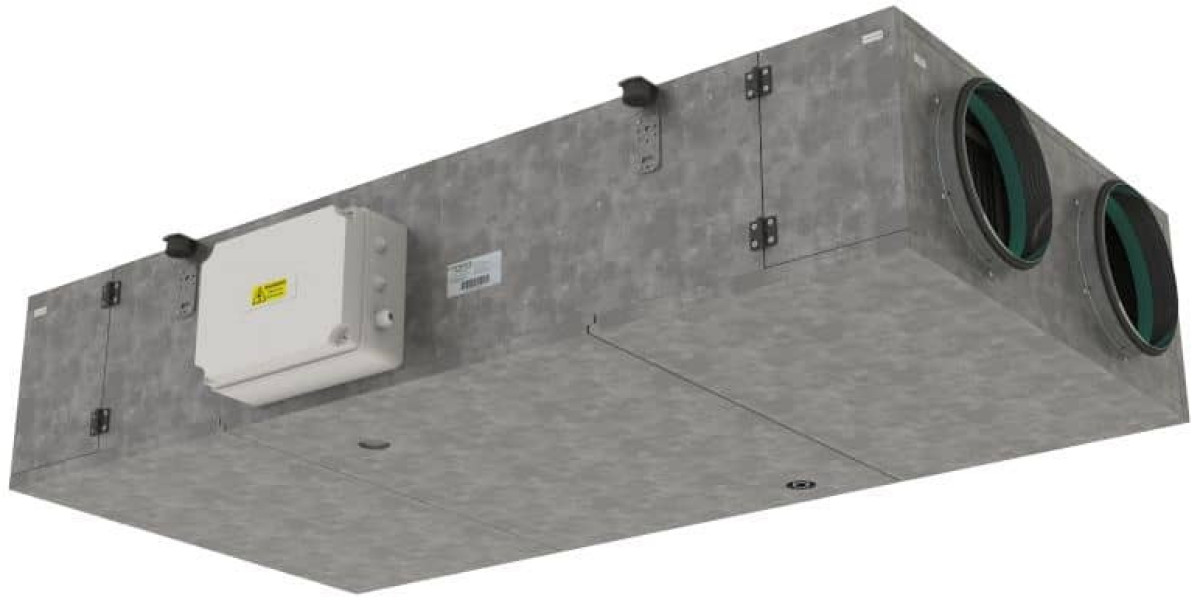

Incorporating a heat recovery ventilator into a home offers a practical solution for maintaining air quality and conserving energy. This innovative system ensures a constant exchange of indoor and outdoor air, all while retaining valuable heat that would otherwise be lost. It operates by extracting heat from stale air being expelled and transferring it to the incoming fresh air, creating a more efficient and balanced ventilation process. Beyond its energy-saving capabilities, this type of system also plays a significant role in enhancing indoor comfort and supporting healthier living environments. Its growing popularity highlights its relevance in modern, eco-conscious home designs.
Understanding the Role of Heat-Recovery Ventilation in Modern Homes
Heat-recovery ventilation serves as a critical feature in modern home design, addressing the dual need for energy efficiency and enhanced air quality. It facilitates the continuous exchange of indoor and outdoor air, ensuring a constant supply of fresh air while recovering heat from the outgoing air.
This mechanism not only reduces reliance on traditional heating systems but also helps to stabilise indoor humidity levels, preventing problems such as condensation and dampness. By limiting heat loss and maintaining optimal airflow, these systems contribute to energy savings and reduced environmental impact. Furthermore, the ability to filter out pollutants, allergens, and odours ensures a healthier and more comfortable indoor environment.
The seamless integration of heat-recovery ventilators into existing home systems enhances their practicality and appeal, particularly for energy-conscious homeowners. Such systems are designed to operate unobtrusively, making them a versatile and efficient addition to homes prioritising sustainability and modern living standards.
How Ventilation Systems Support Healthier Indoor Environments
Ventilation systems contribute significantly to maintaining healthier indoor environments by promoting consistent air circulation and improving overall air quality. By facilitating the exchange of stale indoor air with fresh outdoor air, they help to minimise the accumulation of indoor pollutants, such as carbon dioxide, household chemicals, and allergens. This continuous air movement is crucial in controlling indoor humidity levels, which helps to reduce the risk of dampness and mould growth, both of which can negatively affect respiratory health.
Advanced systems often incorporate filtration mechanisms, capturing fine particles such as dust, pollen, and airborne bacteria, further enhancing the purity of indoor air. Additionally, by regulating airflow, these systems aid in eliminating lingering odours and creating a fresher, more comfortable living environment. The role of ventilation systems extends beyond air quality improvement, as they also contribute to the well-being of occupants by fostering a cleaner and more hygienic indoor atmosphere.
Improving Indoor Airflow with Heat Recovery Technology
Heat recovery technology enhances indoor airflow by efficiently managing the exchange of fresh and stale air, ensuring consistent ventilation throughout a property. By retaining heat from outgoing air and transferring it to the incoming fresh air, this technology prevents the discomfort associated with draughts and temperature fluctuations. The result is a steady supply of clean air that contributes to a healthier and more comfortable living space.
Furthermore, advanced heat-recovery systems operate with minimal noise, making them unobtrusive additions to residential settings. Their ability to integrate seamlessly into existing home designs ensures optimal airflow management without compromising the property’s aesthetic or structural layout.
Key Features That Make Ventilation Systems More Effective
Modern ventilation systems incorporate a range of features that enhance their overall effectiveness and operational efficiency. Central to their design are advanced heat exchangers, which facilitate optimal transfer of heat between outgoing and incoming air streams, ensuring minimal energy loss. High-performance filtration systems are another essential component, designed to capture microscopic pollutants, including dust and allergens, thus contributing to improved indoor air quality.
Many systems are equipped with variable airflow settings, enabling precise adjustments based on specific environmental conditions or energy-saving requirements. Advanced models may also integrate sensors that monitor air quality, temperature, and humidity, automatically adapting their performance for optimal results. Noise reduction technology is often included, ensuring quiet operation and enhancing comfort. The use of durable, high-quality materials in their construction further supports longevity and reliability.
Energy Efficiency Benefits Of an Air Recovery Unit
An air recovery unit is designed to maximise energy efficiency by minimising heat loss during the ventilation process. By extracting heat from the outgoing air and transferring it to the incoming fresh air, these units significantly reduce the energy required for heating indoor spaces. This process lowers the demand on traditional heating systems, helping to conserve energy and reduce operational costs. Additionally, air-recovery units operate consistently across varying climatic conditions, maintaining energy performance throughout the year.
Their energy-saving capabilities contribute to reducing carbon emissions, making them an environmentally responsible choice for modern homes. Advanced designs often include features such as optimised heat exchangers and smart controls, further enhancing their efficiency and adaptability. Furthermore, the controlled exchange of air minimises energy wastage, ensuring that conditioned indoor air is not lost unnecessarily. By focusing on efficiency and sustainability, air-recovery units play a key role in supporting eco-friendly practices while maintaining indoor comfort.
Maintaining Comfortable Temperatures through Balanced Ventilation
Balanced ventilation systems play a crucial role in maintaining consistent indoor temperatures by regulating the exchange of air while minimising energy loss. These systems utilise advanced heat-recovery mechanisms to pre-condition incoming air, ensuring it is either warmed during colder months or cooled during warmer periods. This process helps to stabilise indoor climates without overburdening traditional heating or cooling systems.
By achieving a harmonious balance between air supply and exhaust, these systems prevent uncomfortable temperature fluctuations and draughts. Moreover, they contribute to a more energy-efficient home environment by optimising the use of existing heat and reducing the reliance on external energy sources.
The integration of precise airflow controls allows for adjustments based on seasonal or situational requirements, ensuring optimal thermal comfort. By managing humidity levels effectively, balanced ventilation reduces the likelihood of condensation, which can impact both comfort and structural integrity. Such systems are integral to creating a more pleasant and sustainable indoor living space.
Why an Air Recovery System Supports Sustainable Home Living
An air recovery system plays a pivotal role in advancing sustainable home living by integrating energy conservation with environmental responsibility. It effectively minimises energy consumption by recovering heat from exhaust air and utilising it to pre-condition incoming fresh air, thereby reducing dependence on conventional heating and cooling systems.
This process not only lowers energy bills but also contributes to a reduction in greenhouse gas emissions, aligning with eco-friendly practices. Moreover, the system enhances indoor air quality by continuously supplying filtered, fresh air, which supports healthier living conditions. Its capacity to regulate indoor humidity levels also helps to prevent structural issues such as dampness and mould growth, safeguarding the longevity of the home.
Modern designs incorporate advanced technology to optimise performance and adapt to varying environmental conditions, making them a practical and efficient choice for households prioritising sustainability. By supporting energy efficiency and fostering a cleaner, healthier indoor environment, air-recovery systems are instrumental in promoting responsible and sustainable home living.
Factors That Influence Ventilation Performance And Efficiency
Various elements determine the performance and efficiency of ventilation systems. The design and quality of the heat exchanger are fundamental, as they influence the system's ability to recover and transfer heat effectively between air streams. Filtration capability is another critical aspect, as high-quality filters can significantly impact air purity and system durability by preventing the accumulation of debris. Proper system installation ensures optimal airflow and minimises energy wastage, highlighting the importance of skilled professional setup.
Maintenance routines also affect efficiency; regular servicing helps to sustain peak performance and extend the system's operational lifespan. The positioning of ducts and vents within a property plays a vital role in ensuring even air distribution and reducing potential blockages or airflow restrictions. Advanced features, such as automated sensors for monitoring humidity and air quality, further enhance the system’s responsiveness and adaptability.
Choosing a Residential Heat Recovery Ventilator for Better Air Quality
Selecting a residential heat recovery ventilator involves assessing several critical factors to ensure its suitability for maintaining optimal indoor air quality. The system's airflow capacity must align with the size and ventilation requirements of the property, enabling effective air exchange without strain on the unit. High-efficiency heat exchangers are important, as they optimise energy conservation while ensuring consistent performance.
Filtration quality should also be prioritised, as advanced filters enhance the system's ability to remove allergens, dust, and other pollutants from the air. Noise levels during operation are another consideration, with quieter systems contributing to a more comfortable indoor environment. Advanced features, such as programmable settings and automated monitoring for air quality, can further enhance the system’s performance and usability.
Practical Considerations for Installing a Modern Ventilation System
When installing a modern ventilation system, it is essential to evaluate the building’s layout to determine the most effective placement of ducts and vents for optimal airflow. Ensuring proper sealing during installation prevents air leakage, which can impact efficiency. The system's integration with existing heating or cooling mechanisms should be assessed to maximise performance without interference. Accessibility for regular maintenance, such as filter replacement, is another crucial factor to consider.
Additionally, the system’s noise levels and operational requirements should align with the property’s design and occupants' comfort. Electrical requirements, including wiring and power availability, must be reviewed to ensure compatibility and safety. Employing professional installation services can help to address these aspects effectively, minimising potential issues and ensuring the system functions as intended. Thorough planning and attention to detail during installation significantly enhance the system's longevity and performance.
Important Factors to Consider Before You Buy Heat Recovery Ventilator
When deciding whether to buy heat recovery ventilator, it is important to assess the unit's compatibility with the property's ventilation requirements and existing systems. The overall durability and build quality should be examined to ensure long-term reliability. Energy efficiency ratings are a critical factor, as they determine the system's ability to conserve energy and reduce costs. Noise levels during operation should also be considered, particularly for properties where quiet performance is a priority.
The availability of advanced features, such as automated controls and high-grade filtration systems, can further enhance functionality and convenience. Installation requirements, including the space available and the complexity of integration, are equally vital. Lastly, maintenance needs, such as filter replacement schedules, should be factored in to ensure the system remains effective and easy to manage over time. Careful evaluation of these elements helps identify a suitable option.
Conclusion
Heat-recovery ventilators contribute significantly to creating energy-efficient and sustainable homes by integrating advanced ventilation technology with heat conservation. These systems are designed to exchange indoor and outdoor air efficiently while retaining valuable heat, promoting a healthier and more comfortable indoor environment. By reducing the reliance on conventional heating systems, they help minimise energy consumption and lower operational costs. Their ability to filter pollutants and maintain balanced humidity levels further enhances their appeal. As awareness of energy efficiency and environmental responsibility grows, heat-recovery ventilators represent a practical solution for modern living spaces.
FAQs
What is the primary purpose of a heat recovery ventilator?
A heat recovery ventilator is designed to enhance indoor air quality by exchanging stale indoor air with fresh outdoor air while conserving heat. This process improves ventilation efficiency, reduces energy wastage, and maintains a comfortable indoor environment.
How does a heat-recovery system contribute to energy savings?
Heat-recovery systems minimise energy loss by transferring heat from the outgoing air to the incoming fresh air. This reduces the need for additional heating, thereby lowering energy consumption and operational costs.
Are heat-recovery ventilators suitable for all property types?
Heat-recovery ventilators can be adapted to various properties, including homes of different sizes. Their compatibility with a property depends on factors such as the layout, existing ventilation systems, and specific airflow requirements.
Do heat-recovery ventilators help with humidity control?
Yes, these systems regulate indoor humidity levels by maintaining a balanced exchange of air, helping to prevent issues like condensation and mould growth.
What maintenance does a heat-recovery ventilator require?
Regular maintenance, including cleaning and replacing filters, is necessary to ensure optimal performance. Periodic servicing by professionals is also recommended.
Can these systems operate in extreme weather conditions?
Modern heat-recovery ventilators are designed to function efficiently across a range of climates, maintaining performance even in colder or warmer conditions.
Related Business Listings |