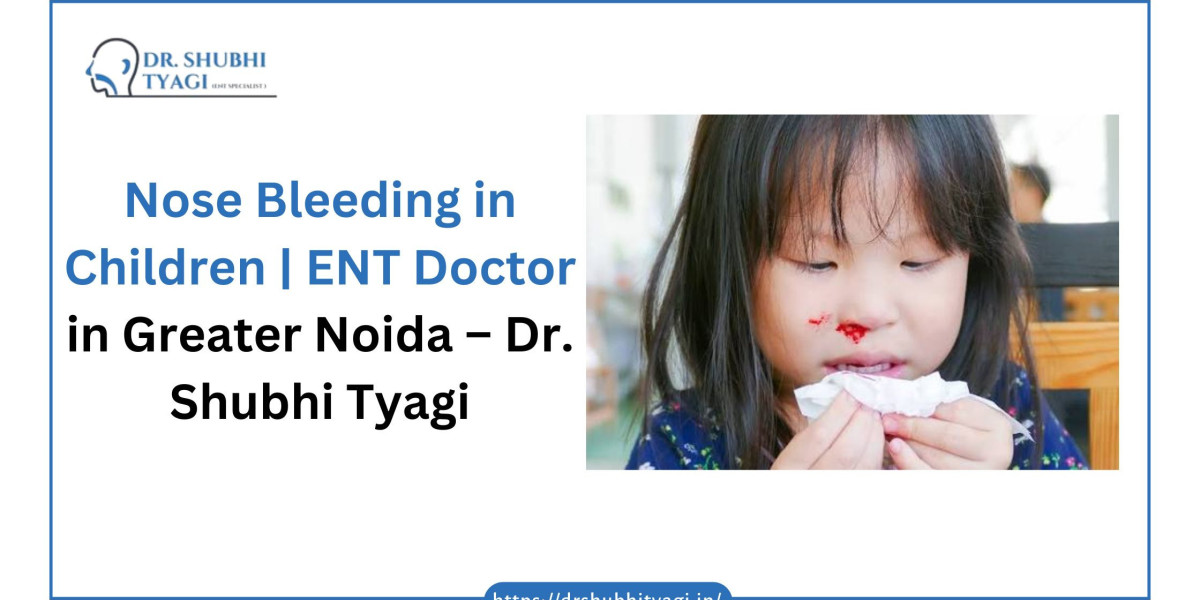

Seeing blood coming from your child’s nose can be frightening, especially when it happens without warning. Fortunately, nose bleeding in children is very common and, in most situations, does not indicate a serious health problem. The inside of a child’s nose contains many small and delicate blood vessels that can break easily due to dryness, irritation, or minor trauma.
Although most childhood nosebleeds can be controlled at home, parents should understand why they happen, how to stop them correctly, and when professional evaluation is needed.
What Causes Nosebleeds in Children?
Several everyday factors can trigger bleeding from a child’s nose. Identifying the possible cause can help parents reduce the chances of repeated episodes.
Nose Picking and Scratching
Nose picking is one of the most common reasons children experience nosebleeds. Children may scratch their nose because of itching, dryness, crusting, or allergies. Even a small scratch can damage a blood vessel and result in bleeding.
Parents can reduce this risk by keeping their child's fingernails short and encouraging them not to put their fingers inside their nose.
Dry Nasal Passages
Dry air can cause the nasal lining to become dry and cracked. This may make the tiny blood vessels more vulnerable to bleeding. Indoor air conditioning and seasonal weather changes can also contribute to nasal dryness.
Keeping the environment comfortably humid and maintaining adequate hydration may help protect the nasal lining.
Colds and Allergies
Children with allergies or frequent colds may sneeze repeatedly, rub their noses, or blow their noses frequently. These actions can irritate the sensitive tissues inside the nose.
If allergies are persistent, parents should discuss appropriate treatment with a healthcare professional rather than allowing symptoms to continue untreated.
Minor Trauma
Children are naturally active and may accidentally bump their noses while playing or participating in sports. Minor trauma can cause a temporary nosebleed. However, bleeding after a significant facial injury should be medically evaluated.
Foreign Objects
Young children sometimes insert small objects into their nostrils. This can lead to bleeding, blockage, discharge, or an unpleasant smell. If parents suspect a foreign object, professional examination is preferable to repeated attempts at removal.
What Should Parents Do During a Nosebleed?
Knowing the correct first-aid steps is essential. When nose bleeding in children occurs, parents should first remain calm and reassure the child.
Ask the child to sit upright and lean slightly forward. This position helps prevent blood from flowing backward into the throat.
Then gently pinch the soft part of the child's nose with the thumb and index finger. Maintain steady pressure for about 10–15 minutes. Avoid releasing the pressure repeatedly to check whether bleeding has stopped.
Once the bleeding stops, the child should avoid vigorous nose blowing, nose picking, rubbing the nose, and strenuous physical activity for some time.
Parents should not make the child lie flat or tilt the head backward during a nosebleed.
How Can Childhood Nosebleeds Be Prevented?
Simple daily habits can reduce irritation and help prevent recurring episodes.
Parents can encourage children to:
Avoid nose picking.
Keep fingernails trimmed.
Blow the nose gently.
Drink sufficient fluids.
Avoid unnecessary rubbing of the nose.
Maintain suitable indoor humidity.
Follow medical advice for allergies.
Wear appropriate protection during contact sports.
For a more detailed explanation of causes, first aid, and preventive care, parents can read this guide on nose bleeding in children.
When Should Parents Consult an ENT Specialist?
An occasional nosebleed is generally not concerning. However, medical evaluation may be appropriate when a child experiences frequent or recurrent episodes.
Parents should consider consulting an ENT specialist if:
Nosebleeds occur repeatedly.
Bleeding is heavy or difficult to stop.
The child experiences easy bruising.
Bleeding occurs from other parts of the body.
There is persistent nasal blockage.
One nostril has an unusual discharge or odor.
Nosebleeds follow significant trauma.
A foreign object may be present.
An ENT specialist can examine the nasal passages and identify potential causes such as persistent dryness, allergies, inflammation, prominent blood vessels, infection, or structural concerns.
Parents seeking additional information can explore this resource about nose bleeding in children to better understand when professional ENT care may be useful.
Conclusion
Most childhood nosebleeds are caused by simple factors such as dryness, nose picking, allergies, colds, or minor injuries. Understanding proper first aid can help parents manage an episode calmly and effectively.
However, repeated, prolonged, or unusually heavy bleeding should not be ignored. If your child experiences frequent nosebleeds or additional symptoms, consulting an ENT specialist in noida can help determine the cause and appropriate treatment.