When you think of casinos, the immediate image that comes to mind is the neon-soaked skyline of Las Vegas.
The evolution of "Sin City" perfectly mirrors the broader changes in American culture and the gambling industry itself.
The city's history is populated by visionary entrepreneurs, ruthless mobsters, and massive corporate conglomerates.
The history of the Strip is a continuous cycle of building bigger, brighter, and more extravagant monuments to excess.
Let's explore the eras, the iconic casinos, and the legendary figures that built the modern gambling industry.
1931 Legalization and the Era of Organized Crime
The true birth of modern Las Vegas occurred in 1931 when the state of Nevada officially legalized casino gambling.
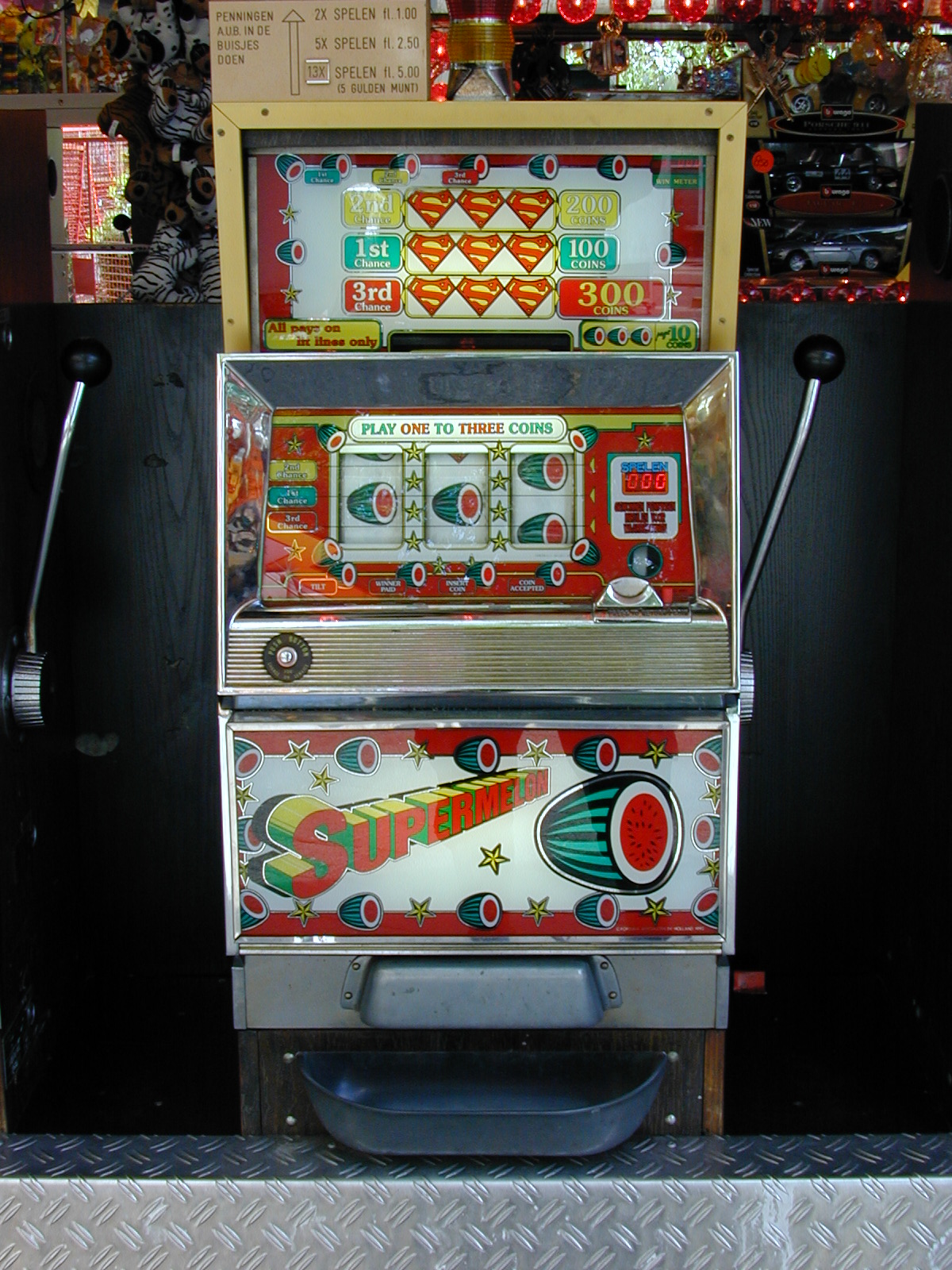
The original scene was far from glamorous, focusing heavily on basic card tables and early mechanical slots.
The mob saw the legal gambling environment as the perfect opportunity to launder money and generate massive, legitimate profits.
The Flamingo was the first truly glamorous resort on what would eventually become the famous Las Vegas Strip.
The 1950s and 60s were the golden age of mob control, resulting in iconic properties like the Sands, the Sahara, and the Riviera.
Howard Hughes and the Era of Corporate Gaming
His massive investments signaled the transition from mafia-run joints to legitimate, corporate-owned businesses.
State regulators eagerly supported this shift, aggressively forcing out known organized crime figures through strict licensing laws.
In 1989, Steve Wynn opened The Mirage, an incredibly expensive, massive property that changed the city forever.
Developers began building gigantic, themed properties like the pyramid-shaped Luxor, Excalibur, and Treasure Island.
These mega-resorts featured massive shopping malls, roller coasters, and arena-sized showrooms alongside the casino floors.
The Modern Era: Luxury, Nightclubs, and Sports
As the new millennium dawned, the tacky, family-friendly themes of the 90s were slowly replaced by sleek, ultra-luxury modernism.
Nightlife became a primary draw for younger demographics, transforming the city into the global capital of electronic dance music.
Most recently, Las Vegas has undergone another massive transformation by embracing professional sports.
Today, a weekend in Vegas might involve a high-end dinner, a stadium sports game, and a massive nightclub, with very little actual gambling.
It remains the undisputed mecca of entertainment, constantly reinventing itself to suit the desires of the next generation.
Eras of Las Vegas History
- Early Days: Sawdust joints and the construction of the Hoover Dam bring early crowds.
- The Golden Age: Mafia control, the Rat Pack, and the establishment of glamorous showrooms.
- 1970s-1980s: Corporate Transition. Howard Hughes and Wall Street legitimize the industry.
- 1990s: The Mega-Resort Boom. Steve Wynn opens The Mirage, starting the themed resort trend.
- 2000s-Present: Ultra-Luxury and Nightlife. The focus shifts to high-end dining, DJs, and pro sports.
Iconic Vegas Casinos Then vs. Now
| Property | Decade | Impact on the City |
|---|---|---|
| The Sands | 1950s (Golden Age) | The ultimate hangout for Frank Sinatra and the Rat Pack. |
| Bellagio | 1990s (Luxury Era) | Shifted the focus back to ultra-high-end luxury, fine dining, and elegance. |
| The Cosmopolitan | 2010s (Modern Era) | Defined the modern, vertical, nightlife-focused casino experience. |
The history of Las Vegas is a testament to the incredible power of human ambition and the universal appeal of entertainment.
Las Vegas has proven time and time again that it can adapt to any cultural shift and remain relevant.
Whether you visit for the gambling, the food, or the shows, you are participating in a rich, distinctly American history.