
Tattoo Removal in Jeddah: The Critical Role of Patch Testing and Individualized Consultations
Before a single pulse of laser energy is delivered to clear unwanted body art, the success of the entire dermatological journey is determined during the initial clinical consultation. When individuals explore tattoo removal in Jeddah, undergoing a comprehensive physical assessment—including mandatory patch testing—is a non-negotiable step. This diagnostic process bridges the gap between general optical theory and your skin's unique biological reality, ensuring that safety, efficacy, and comfort are customized to your exact profile.
Why a Standardized Approach Fails in Dermatology
Human skin and tattoo compositions are profoundly diverse. No two individuals possess the exact same baseline melanin levels, and no two tattoos share identical ink chemistry, dermal depth, or structural age.
The Dangers of One-Size-Fits-All Treatments
Applying a generic laser setting across every patient without prior testing introduces unnecessary risks, including:
Thermal Overexposure: Using excessive energy on sensitive skin or dense scar tissue can cause blistering, texturizing, or thermal burns.
Paradoxical Darkening (Ink Oxidation): Failing to identify titanium dioxide or iron oxide components in white, flesh-toned, or pastel pigments can cause the tattoo to instantly turn jet black rather than fading.
Pigment Alterations: Ignoring individual Fitzpatrick skin phototypes can lead to permanent hypopigmentation (loss of natural color) or hyperpigmentation.
To eliminate these variables, reputable medical clinics replace guesswork with rigorous diagnostic testing before beginning full-scale removal sessions.
The Components of a Comprehensive Initial Consultation
A professional clinical consultation is a structured medical evaluation designed to map out every variable influencing your skin clearance protocol.
1. Fitzpatrick Skin Phototype Mapping
The clinician evaluates your skin's natural melanin concentration and genetic reaction to sun exposure using the Fitzpatrick scale (ranging from Type I to Type VI). This assessment dictates the primary laser wavelength selection—such as utilizing the safer, deep-penetrating 1064 nm wavelength for higher skin phototypes to bypass epidermal melanin completely.
2. Ink Chemistry and Dermal Depth Analysis
Specialists inspect the tattoo under magnification to determine whether the ink was applied professionally or amateurly. They examine the density of deep carbon outlines, identify multi-colored chromophores (such as reds, greens, and blues), and check for underlying scar tissue resulting from the original application process.
3. Executing the Pre-Treatment Patch Test
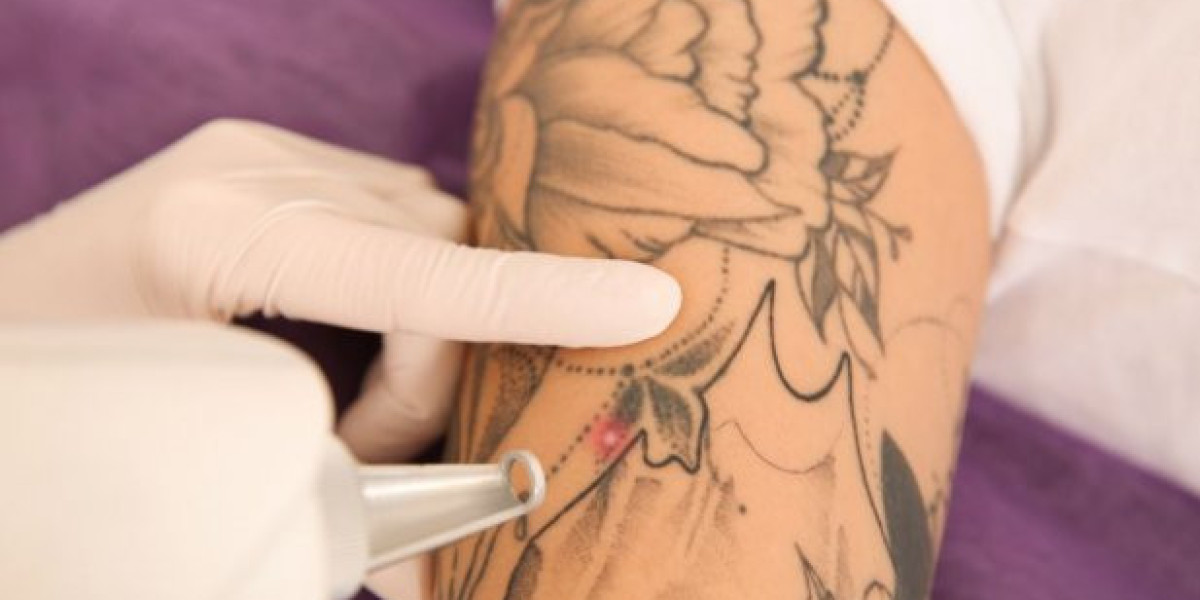
The cornerstone of a safe diagnostic evaluation is the patch test.
The Procedure: During your initial appointment, the clinician selects a very small, discrete edge of the tattoo and applies a test pulse using the calibrated laser settings.
Monitoring the Reaction: The specialist observes how your skin and ink respond over a mandatory observation window—typically spanning one to two weeks. This pause allows the medical team to check for unexpected allergic reactions, ink oxidation, or excessive blistering, ensuring that the final treatment parameters are perfectly optimized for your biology.
Setting Realistic Expectations and Timelines
A thorough consultation also provides complete transparency regarding what to expect throughout your multi-stage removal journey.
Mapping the Session Roadmap
Based on ink density, color complexity, and lymphatic clearance rates, your clinician provides an estimated session count (typically 6 to 12 sessions for professional tattoos) and reinforces the necessity of the six-to-ten-week healing interval between appointments. Understanding this biological timeline prevents frustration and ensures you respect the recovery periods required for your immune system's macrophages to flush out shattered pigment debris.
Reviewing Aftercare Responsibilities
Your specialist outlines the critical pre- and post-treatment protocols you must follow at home, including absolute UV avoidance with broad-spectrum mineral sunscreens, gentle fragrance-free hygiene, and strict avoidance of picking at protective scabs.
Achieving Safe and Flawless Results in Jeddah
Choosing a specialized, medically supervised clinical environment for your tattoo removal in Jeddah ensures that your skin receives the precise diagnostic attention it deserves. By prioritizing comprehensive initial consultations, rigorous patch testing, and expert clinical calibration, you pave the way for a safe, comfortable, and completely successful transition to a clean, healthy, and unblemished canvas.