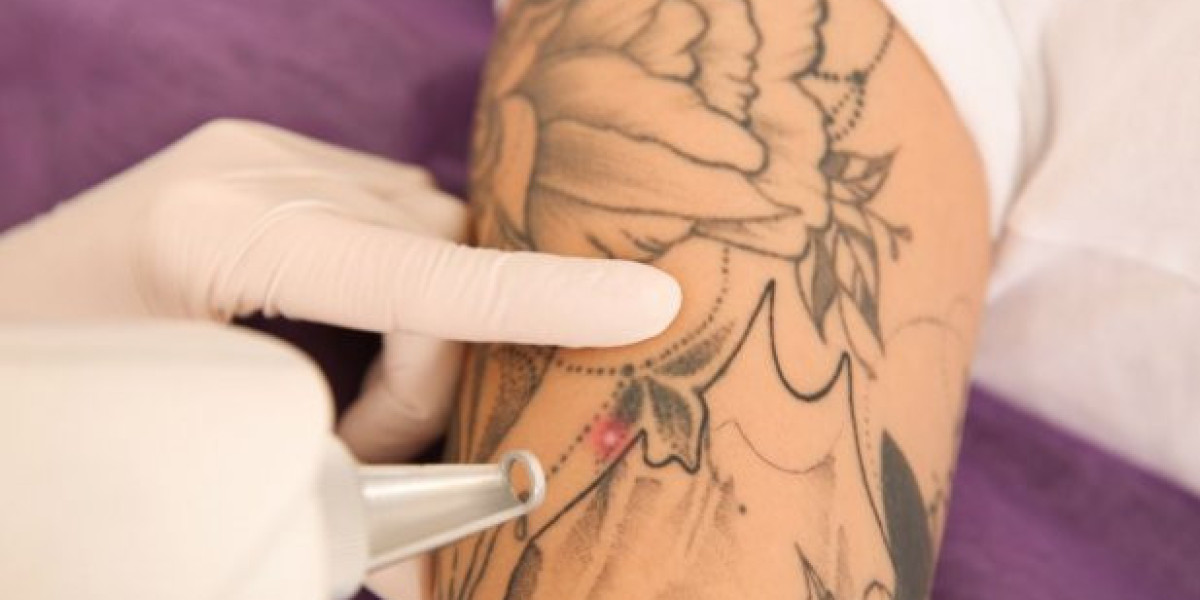

Tattoo Removal in Jeddah: The Role of Skin Phototypes and Melanin Safety
When performing laser dermatological procedures, understanding the patient's natural skin pigmentation is just as critical as analyzing the tattoo ink itself. When undergoing tattoo removal in Jeddah, specialists utilize the Fitzpatrick scale to categorize skin types and calibrate laser systems safely, ensuring that melanin-rich skin is fully protected from thermal injury during pigment clearance.
The Fitzpatrick Scale and Laser Interactions
The Fitzpatrick scale classifies human skin phototypes into six distinct categories based on genetic disposition, reaction to sun exposure, and baseline melanin concentration—ranging from Type I (very pale, highly sensitive) to Type VI (deeply pigmented).
How Melanin Competes with Laser Energy
Melanin is the natural pigment responsible for absorbing and scattering light within the epidermis. Because traditional lasers target dark pigment, high concentrations of epidermal melanin in darker skin phototypes (Types IV through VI) can inadvertently absorb the incoming laser light instead of allowing it to pass safely down to the dermal tattoo ink. This competing absorption can lead to localized thermal buildup, surface burns, or post-inflammatory pigment alterations.
Advanced Engineering for Diverse Populations
Modern dermatological clinics utilize specialized technology to mitigate these risks:
Longer Wavelengths: The 1064 nm wavelength bypasses epidermal melanin much more effectively, making it the safest and most efficient choice for treating darker skin phototypes.
Picosecond Precision: Ultra-short pulse durations minimize thermal dispersion into the surrounding skin, drastically reducing the risk of hypo-pigmentation (loss of skin color) or hyper-pigmentation (darkening of the skin).
Customizing Protocols for Maximum Safety
Because patient populations feature diverse skin tones, personalized clinical evaluations prior to treatment are essential for establishing safe operational parameters.
Conducting Patch and Test Shots
For individuals with sensitive skin or higher Fitzpatrick phototypes, practitioners frequently perform a discrete test spot during the initial consultation. Observing how the skin reacts over a two-week period allows the specialist to fine-tune the laser fluence and pulse width precisely for that individual's biological profile.
Pre- and Post-Treatment Pigment Defense
Protecting the skin from UV radiation before and after each session prevents fluctuations in melanin production, ensuring that the laser targets only the artificial ink rather than active sun tans.
Achieving Safe and Flawless Results
By pairing advanced optical technology with expert clinical knowledge of skin phototypes, individuals undergoing tattoo removal in Jeddah can safely eliminate unwanted body art while preserving the natural health, texture, and pigmentation of their skin.