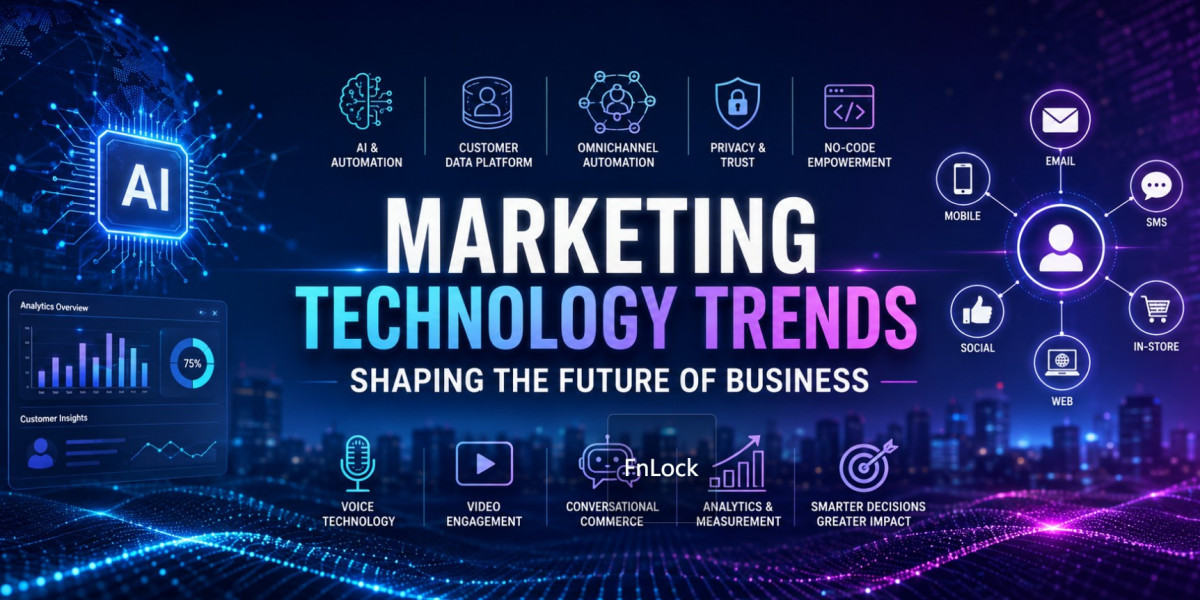

Marketing has always been about connecting brands with people in ways that drive growth, value, and loyalty. In recent years, however, the landscape has shifted dramatically. The convergence of data, automation, and artificial intelligence has changed not only what is possible in marketing, but also how brands must operate to compete. Understanding the leading marketing technology trends gives businesses the edge to anticipate change, make smarter investments, and transform their customer experience.
This article explores crucial trends in marketing technology, clarifies their business impact, and offers practical guidance for marketers eager to thrive in an era of rapid innovation.
The Accelerating Pace of Martech Innovation
The term “marketing technology” or martech describes the growing stack of digital tools, platforms, and systems that support marketing and sales. With thousands of solutions on the market and more emerging each year, marketers face both an abundance of choice and an imperative to stay current. Staying ahead is less about accumulating tools and more about understanding which technologies drive real value for customers and the business.
Let us examine the key forces propelling change in marketing technology today.
Artificial Intelligence Moves from Promise to Practice
Artificial intelligence is no longer a buzzword. It is at the core of today’s most powerful martech platforms. From predictive analytics to automated content creation and chatbots that deliver instant support, AI is transforming how marketers plan campaigns and engage audiences.
AI-powered algorithms sift through massive datasets to spot customer patterns, forecast buying behavior, and recommend personalized content. Marketers now use AI tools to segment audiences more precisely, experiment with messaging, and even personalize website experiences in real time. As machine learning capabilities advance, expect greater accuracy and impact with less manual labor required.
Customer Data Platforms Come into Focus
Modern marketing thrives on data, but too often, that data is scattered across teams, devices, and sources. Customer Data Platforms (CDPs) have emerged as a solution, aggregating data from every possible channel into a unified customer profile. With a CDP, marketers no longer have to guess who their customer is or what journey they are on.
A single, clean view of the customer enables truly omnichannel personalization. Marketers can orchestrate campaigns that meet customers where they are, across email, social, mobile, and in-person, with messages tailored to actual behaviors and preferences.
Rise of Omnichannel Automation
Customers expect seamless experiences, no matter where or how they interact with your brand. The best martech solutions do not operate in silos. Instead, they enable omnichannel automation, allowing campaigns to flow naturally across touchpoints.
Automation tools now synchronize email marketing, text messaging, social media, and even product recommendations. This trend means less fragmentation and more consistent engagement for customers. Brands can now track customer journeys more holistically, ensuring that communications are timely and relevant at every step.
Privacy, Trust, and the Responsible Use of Data
As marketing technology evolves, so does consumer awareness and regulation around privacy. Stricter data privacy laws are prompting marketers to prioritize transparency and responsible data stewardship. Today's successful brands prioritize gaining customer trust, not just attention.
Strategies now favor opt-in experiences, clearer consent, and proactive communication about how data will be used. Personalization remains important, but it must be balanced with ethical considerations and compliance.
No-Code and Low-Code Tools Empower Marketers
In the past, launching a marketing technology initiative often required deep software expertise and long development timelines. No-code and low-code platforms are flipping that script. These tools empower non-technical marketers to spin up automation, build landing pages, and even develop apps with drag-and-drop simplicity.
The upshot is more agile teams, reduced costs, and dramatically faster execution on creative ideas. Businesses can now experiment and iterate in real time without waiting on IT resources.
Voice, Video, and Conversational Commerce
Consumer communication habits are changing, and technology is responding. Marketers are investing more in video content, live streaming, voice search optimization, and conversational commerce using chatbots or virtual agents. As smart speakers and mobile platforms proliferate, brands are finding creative ways to interact using new modes of communication.
Video, in particular, blends storytelling and education in ways that deepen customer engagement and lift conversion rates. Meanwhile, conversational marketing shortens the path from interest to transaction, making customer journeys more frictionless.
Measuring and Optimizing for Impact
With sophisticated analytics and attribution tools now widely available, marketers can measure performance in greater detail than ever. The trend is not about having more data, but about leveraging actionable insights that drive ROI. Modern dashboards provide a holistic view of campaign effectiveness, customer journeys, and business impact, enabling smarter budgeting and quicker reaction to market shifts.
Frequently Asked Questions
How can businesses keep up with the pace of martech change?
Businesses should prioritize learning and experimentation. Rather than chasing every trend, start by defining clear objectives and focusing on technologies that directly support those goals. Build a culture of testing and continuous improvement.
Do smaller businesses benefit from these trends, or are they only for large enterprises?
Almost every trend discussed here has become more accessible for businesses of all sizes. Many cloud-based platforms and subscriptions offer enterprise technology at prices and complexity suitable for small and mid-sized organizations.
Are privacy regulations making marketing harder?
Privacy regulations are changing the playbook, but they also present an opportunity for brands to build long-term trust. Marketers who prioritize ethical data use and honest communication are likely to be rewarded with greater customer loyalty.
Does artificial intelligence mean marketers will be replaced by machines?
AI enables marketers to do more but does not eliminate the need for strategy, creativity, and human insight. The most effective marketing technology elevates human skill rather than replacing it.
Conclusion: Turning Trends into Your Advantage
The landscape of marketing technology is more dynamic than ever, presenting both challenges and opportunities. As new platforms and possibilities emerge, the key to success is clarity, knowing your customer, setting clear objectives, and focusing on technologies that align with your brand’s mission.
By staying informed on core trends and adopting tools thoughtfully, businesses will not only keep pace but lead the way in building stronger, smarter connections with their audiences.