
Introduction: Managing Acne Breakouts in Riyadh
For individuals struggling with persistent acne breakouts, the journey toward clear skin can feel like an endless cycle of trial and error. In a dynamic metropolis like Riyadh, environmental factors such as high temperatures, low humidity, heavy indoor air conditioning, and fluctuating pollution levels can stimulate sebaceous glands, trap debris in pores, and trigger stubborn flare-ups. Chemical Peels in Riyadh are a popular skincare treatment that helps improve skin texture, reduce pigmentation, minimize acne scars, and reveal a smoother, brighter, and more youthful-looking complexion.
While topical over-the-counter creams and daily cleansers play a foundational role in skincare, they often fail to penetrate deep enough to stop recurring breakouts at the source. This is where professional dermatological interventions come into play. Across Riyadh’s advanced aesthetic clinics, chemical peels have emerged as one of the most effective, scientifically proven tools not only for treating post-acne marks, but for actively stopping and reducing active acne breakouts before they start.
How Chemical Peels Target Active Acne
To understand how chemical peels reduce breakouts, it is helpful to look at the primary biological causes of acne. Acne is fundamentally driven by four main factors: excess sebum (oil) production, abnormal follicular keratinization (dead skin cells accumulating in the pore), the proliferation of Cutibacterium acnes (C. acnes) bacteria, and subsequent inflammation.
Chemical peels address these four root causes simultaneously through targeted exfoliation and deep pore purification:
Unclogging Pores and Preventing Keratin Plugs: Chemical peel solutions break down the intercellular glue holding dead skin cells together. By aggressively sloughing off the outermost layer of skin and clearing out the pore lining, peels prevent dead cells from mixing with sebum to form micro-comedones (blackheads and whiteheads).
Regulating Sebum Production: Certain specialized peel formulations normalize cellular turnover inside the sebaceous glands, helping to control chronic oiliness that keeps pores congested.
Eliminating Acne-Causing Bacteria: Many professional peels possess potent antimicrobial properties. When applied to the skin, they create an inhospitable environment for C. acnes bacteria, drastically reducing bacterial load and calming active, inflamed pustules.
Reducing Inflammation and Redness: By accelerating skin renewal and encouraging rapid healing, chemical peels help reduce the swelling, redness, and discomfort associated with cystic and inflammatory acne breakouts.
Best Chemical Peels for Reducing Breakouts in Riyadh
Dermatologists across Riyadh tailor their acid selections based on your skin type, acne severity, and whether you are dealing with active inflammatory lesions or chronic congestion.
1. Salicylic Acid (BHA) Peels
Salicylic acid is an oil-soluble Beta Hydroxy Acid, making it the absolute gold standard for treating acne-prone skin and reducing active breakouts.
Why It Works for Acne: Because oil attracts oil, salicylic acid effortlessly penetrates past surface sebum and dives deep into the pore lining. It dissolves the trapped plugs of oil and dead cells that cause blackheads and pimples.
Benefits: It provides powerful anti-inflammatory action, calms active red bumps, clears congestion, and prevents future breakouts from forming.
Downtime: Minimal to none, making it easy to fit into a regular monthly maintenance schedule.
2. Mandelic Acid Peels
Derived from bitter almonds, mandelic acid features a larger molecular structure that absorbs slowly and evenly into the skin.
Why It Works for Acne: Its slow absorption rate prevents the rapid irritation that sensitive or inflamed acne-prone skin often experiences. Furthermore, mandelic acid possesses natural antibacterial properties specifically targeted against acne-causing bacteria.
Benefits: It clears active breakouts and treats surface blemishes with an exceptionally low risk of irritation or post-inflammatory hyperpigmentation, making it ideal for melanin-rich skin types common in Riyadh.
3. Jessner’s Solution and Blended Peels
For individuals dealing with moderate to severe adult acne or stubborn cystic breakouts, dermatologists often utilize custom-blended solutions such as Jessner's peel (a combination of salicylic acid, lactic acid, and resorcinol).
Why It Works for Acne: This multi-acid blend provides deep follicular disinfection and vigorous exfoliation, tackling stubborn congestion that single-acid peels cannot resolve.
Downtime: Moderate peeling and flaking over three to five days as the congested layers are purged.
What to Expect During Your Treatment in Riyadh
Undergoing an acne-reducing chemical peel at a licensed medical center in Riyadh—such as those located along Al Olaya, Tahlia Street, or King Fahd Road—follows a rigorous clinical protocol designed to ensure safety and efficacy.
The Comprehensive Consultation: Your journey begins with an evaluation by a board-certified dermatologist. They will assess your acne severity, review your current skincare medications (such as ensuring you are not currently using oral isotretinoin), and categorize your skin tone using the Fitzpatrick scale to prevent adverse pigment reactions.
Skin Cleansing and Degreasing: The face is thoroughly cleansed and degreased to remove all surface oils, ensuring even penetration of the acne-fighting acid solution.
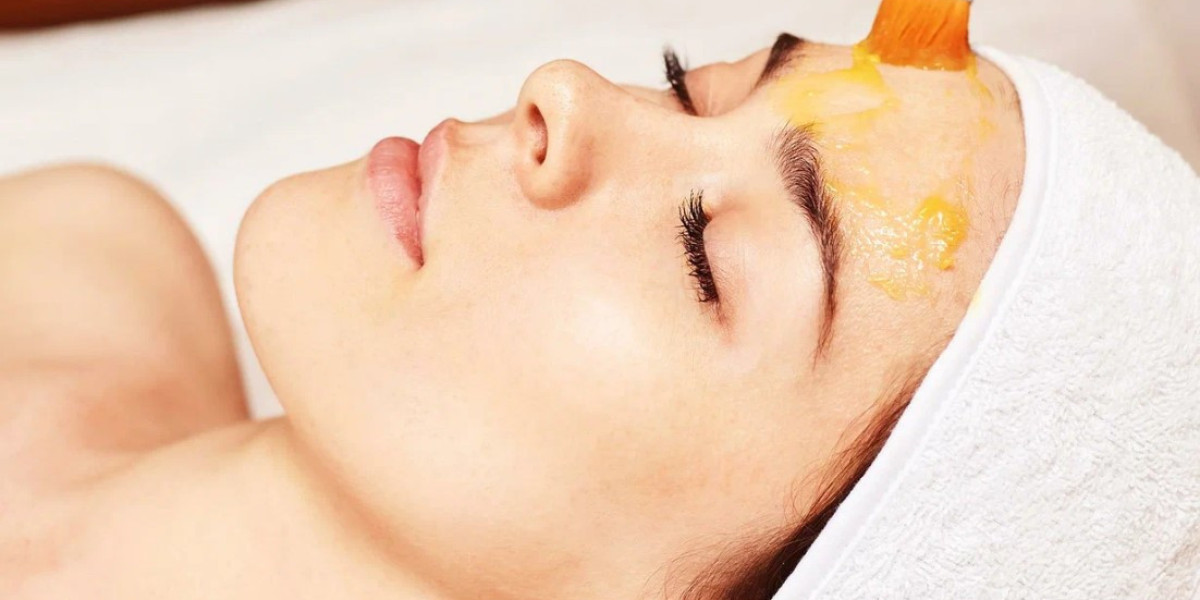
The Application: The chemical solution is brushed onto the skin. You will experience a temporary warm, stinging, or prickling sensation, which is comfortably managed with handheld cooling fans. The procedure typically takes between thirty to forty-five minutes before being neutralized or washed off.
Managing Post-Peel Care in Riyadh's Climate
Achieving a reduction in acne breakouts requires disciplined post-treatment aftercare, particularly when navigating Riyadh's challenging environmental conditions.
Relentless Sun Protection: Freshly peeled skin is extremely sensitive to ultraviolet radiation. You must apply a broad-spectrum mineral sunscreen with a high SPF every single morning, even when commuting in a car or sitting indoors near windows. Failing to protect your skin can cause UV-induced inflammation that triggers new breakouts and worsens hyperpigmentation.
Hands-Off Healing: If your peel causes mild flaking or purging over the first few days, let the skin shed naturally. Never pick, squeeze, or pop active blemishes or peeling skin, as this spreads bacterial infection and causes permanent scarring.
Simplify Your Routine: Temporarily eliminate harsh home active ingredients, physical scrubs, and strong acne spot treatments until your board-certified dermatologist confirms your skin barrier has fully recovered. Stick exclusively to gentle, non-comedogenic cleansers and oil-free, hydrating moisturizers.
Avoid Heat Triggers: Steer clear of saunas, heavy workouts that cause profuse sweating, and hot showers for the first few days to prevent heat-induced inflammation in acne-prone skin.
Conclusion
Active acne breakouts can be frustratingly stubborn, but they can be successfully managed and reduced with professional dermatological care. Chemical peels offer a scientifically proven, highly effective method to clear deep pore congestion, kill acne-causing bacteria, regulate oil production, and calm inflammation. By partnering with a licensed board-certified dermatologist in Riyadh, selecting the appropriate BHA or mandelic acid formulation for your skin type, and committing to diligent daily sun protection and proper home aftercare, you can successfully reduce breakouts and enjoy a clear, smooth, and healthy complexion all year round.