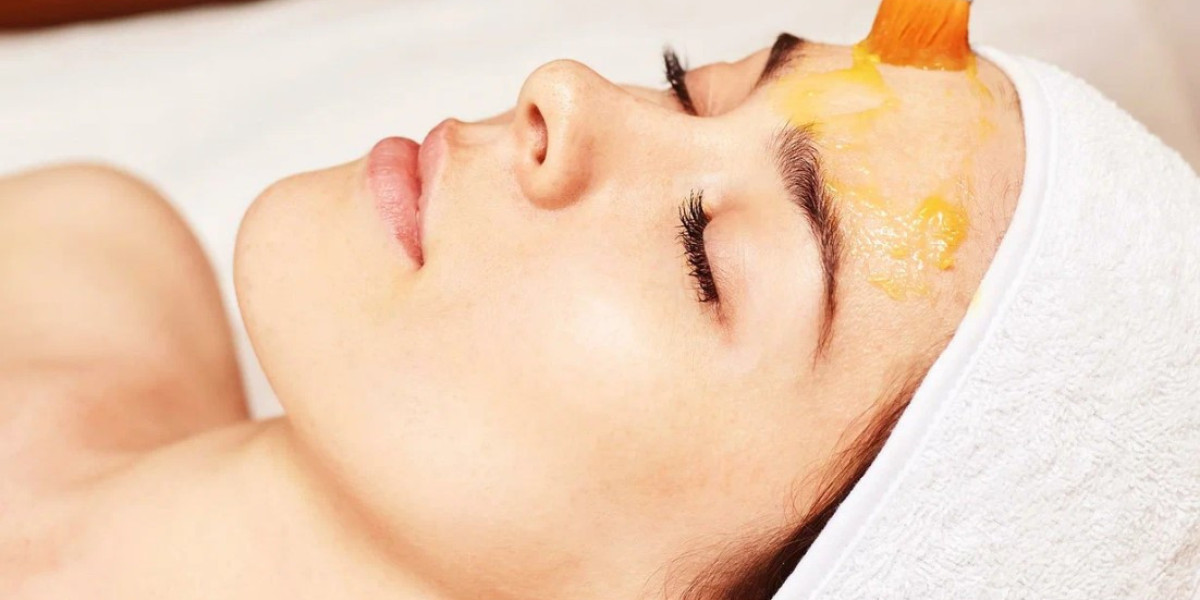

Introduction to Chemical Peels in Riyadh
The vibrant capital of Saudi Arabia is home to world-class aesthetic dermatology clinics, where advanced skincare treatments are in high demand. Among the most popular procedures for rejuvenating the skin, correcting hyperpigmentation, smoothing acne scars, and reversing sun damage are chemical peels. However, not all chemical peels are created equal. Understanding the distinct differences between mild, medium, and deep peels is essential for anyone seeking skin resurfacing in Riyadh. Chemical Peels in Riyadh are a popular skincare treatment that helps improve skin texture, reduce pigmentation, minimize acne scars, and reveal a smoother, brighter, and more youthful-looking complexion.
Because Riyadh's climate features intense year-round solar radiation, dry heat, and air-conditioned indoor environments, choosing the correct peel depth and adhering to strict post-procedure care are vital. Dermatologists categorize chemical resurfacing into three primary tiers based on how deeply the acid penetrates the skin layers, allowing treatments to be tailored precisely to individual skin types, concerns, and lifestyle constraints.
1. Mild (Superficial) Peels: The Gentle Resurfacer
Mild or superficial peels represent the lightest tier of chemical exfoliation. They utilize gentle Alpha Hydroxy Acids (AHAs) such as glycolic and lactic acid, Beta Hydroxy Acids (BHAs) like salicylic acid, or mild fruit enzymes.
Mechanism and Target Concerns
Superficial peels target only the outermost layer of the epidermis, known as the stratum corneum. By dissolving the intercellular glue holding dead cells together, they gently slough off the top layer of skin. These peels are ideal for treating:
Surface-level dullness and lack-luster texture
Mild post-inflammatory hyperpigmentation and sun freckles
Early signs of congestion, blackheads, and mild active acne
Dehydrated or tired-looking skin needing an instant refresh
Downtime and Lifestyle Integration
One of the greatest advantages of mild peels is that they involve virtually no social downtime. Patients may experience a mild pinkness or flush for a few hours following the session, but this quickly subsides. Because there is no significant peeling or flaking, Riyadh residents can easily undergo a superficial peel during a lunch break and return immediately to work or social engagements. They are typically performed in a series of four to six sessions spaced two to four weeks apart for cumulative results.
2. Medium-Depth Peels: The Corrective Powerhouse
When skin concerns run deeper—such as moderate rolling or boxcar acne scars, stubborn melasma, pronounced sun spots, and fine lines that superficial AHAs cannot touch—dermatologists turn to medium-depth peels.
Mechanism and Target Concerns
Medium peels typically utilize Trichloroacetic Acid (TCA) in moderate concentrations or specialized blended formulations like Jessner's solution combined with TCA. These solutions penetrate past the epidermis and reach the upper layer of the dermis (the papillary dermis). This controlled injury prompts the entire upper layer of damaged skin to slough off over several days, while simultaneously triggering fibroblasts in the dermis to produce fresh collagen and elastin.
Downtime and Lifestyle Integration
Because medium peels create a more profound structural change, they involve a noticeable recovery period. Patients can expect moderate redness, skin tightness, and sheet-like peeling that typically lasts between five to seven days. Because Riyadh's outdoor climate and intense UV rays require strict sun avoidance during healing, many residents prefer to schedule medium-depth peels ahead of weekends or short periods of remote work, allowing them to comfortably stay indoors while their skin regenerates. A series of two to three sessions is often sufficient to achieve dramatic transformations.
3. Deep Peels: The Intensive Transformation
Deep peels represent the most aggressive tier of chemical resurfacing, utilizing high-concentration Trichloroacetic Acid or specialized phenol solutions that reach deep into the reticular dermis.
Mechanism and Clinical Role
Deep peels induce a profound structural injury to the skin, triggering massive collagen contraction and cellular regeneration. Historically, they were used to treat severe photoaging, deep wrinkles, and extensive scarring. However, in modern aesthetic dermatology across Riyadh, deep phenol peels are rarely performed for standard acne scars or routine sun damage. Advancements in technology have largely replaced deep chemical peels with safer, highly effective alternatives such as fractional lasers, microneedling radiofrequency, and staged medium-depth peels, which carry significantly lower risks of complications, hyperpigmentation, or cardiac stress.
Candidacy and Recovery
Due to their aggressive nature, deep peels require prolonged healing spans lasting several weeks, strict postoperative management, and careful cardiac monitoring during application if phenol is used. They are reserved strictly for rare, severe cases under the care of elite dermatological surgeons.
Comparative Overview of Chemical Peel Tiers
Choosing the Right Peel in Riyadh
Navigating the spectrum of chemical peels requires professional guidance. Riyadh boasts exceptional medical infrastructure, particularly in districts like Al Olaya, Tahlia Street, and King Abdulaziz Road, where board-certified dermatologists utilize the Fitzpatrick scale to evaluate skin phototypes accurately.
Because Riyadh's population features rich diversity in skin tones, matching the correct peel depth to your skin type is essential to prevent post-inflammatory hyperpigmentation. Melanin-rich skin types thrive on superficial lactic or mandelic acid peels, while lighter skin types can often tolerate medium-depth TCA formulations.
Post-Treatment Care Across All Tiers
Regardless of whether you choose a mild or medium peel, post-treatment aftercare is the definitive factor in your success, especially in Riyadh's demanding desert climate:
Sun Protection: Daily application of a broad-spectrum mineral sunscreen with a high SPF is non-negotiable. Recovering skin is devoid of its natural protective barrier and highly vulnerable to UV radiation, which can instantly trigger rebound pigmentation if exposed.
Hands-Off Healing: Never pick, pull, or forcefully scrub away flaking skin, as this can lead to scarring and infection.
Gentle Hydration: Discontinue active retinoids and harsh physical scrubs, relying instead on fragrance-free, deeply hydrating moisturizers and barrier-repair balms.
Conclusion
Chemical peels offer a versatile, scientifically proven method to refresh, correct, and transform your skin in Riyadh. By understanding the distinct differences between mild, superficial treatments and intensive medium-depth resurfacing, you can make informed decisions about your skincare journey. Consulting with a licensed dermatologist ensures your treatment is safely customized to your skin type, helping you achieve a smooth, luminous, and healthy complexion that thrives year-round.