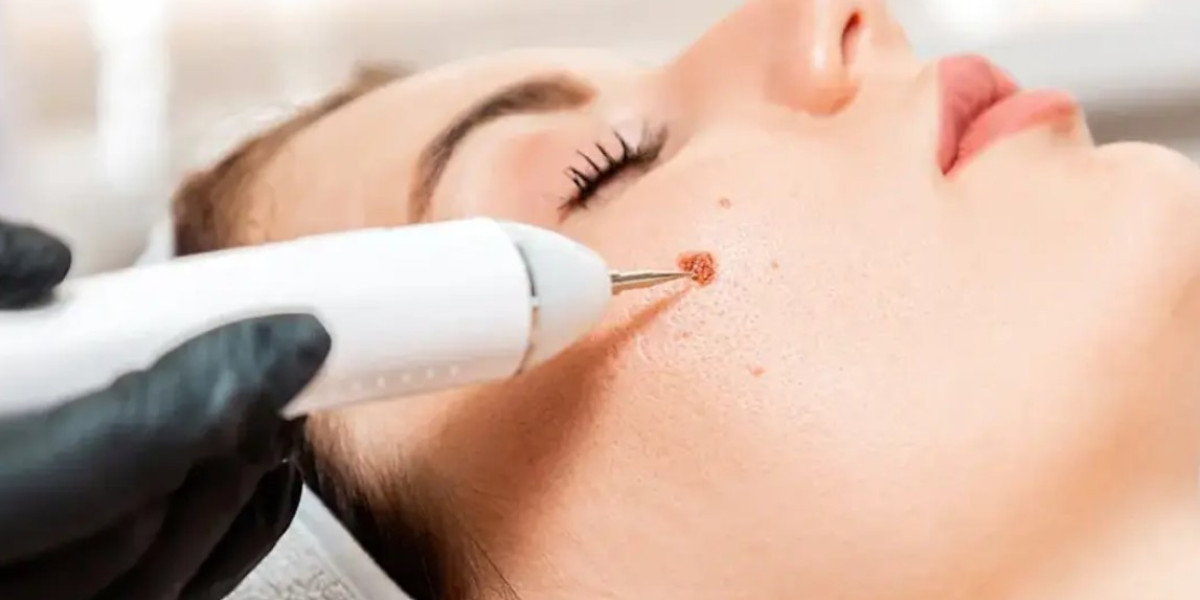

Proper aftercare following a mole removal procedure is just as critical as the excision itself. Whether a patient undergoes a superficial shave excision or a full-thickness surgical removal requiring stitches, the way the wound is managed during the healing phase dictates the final cosmetic outcome and overall safety. Unfortunately, many patients inadvertently make preventable mistakes that compromise their recovery, delay healing, or lead to avoidable complications such as infection, wound dehiscence, or prominent scarring. Recognizing these common errors and understanding how to avoid them ensures a smooth, clean, and healthy recovery process.
Mole Removal in Riyadh offers safe and effective solutions for removing unwanted or suspicious moles while helping improve both skin appearance and confidence.
One of the most frequent and hazardous mistakes patients make after mole removal is failing to keep the wound properly protected and covered during the earliest stages of healing. Immediately following the procedure, the skin barrier is broken, leaving vulnerable tissue exposed to the environment. A common error is prematurely removing bandages to let the wound "breathe" in the open air. While old folklore often suggests that scabs heal faster when exposed to dry air, modern dermatological science proves the exact opposite. Wounds heal faster, more efficiently, and with less scarring in a moist, protected environment. Removing bandages too early exposes the fresh tissue or delicate stitches to airborne bacteria, dust, and physical trauma, significantly increasing the risk of secondary bacterial infection. Patients should strictly follow their dermatologist's timeline for keeping dressings clean, dry, and intact, typically for the first twenty-four to forty-eight hours before gentle washing is permitted.
Another critical mistake is neglecting proper hand hygiene before touching the healing site. Throughout the day, hands come into contact with countless surfaces laden with bacteria, viruses, and environmental contaminants. Patients often touch, check, or adjust their bandages without washing their hands first, inadvertently transferring microbes directly onto the vulnerable excision site. Introducing unwashed fingers to a healing wound is a primary pathway for localized bacterial infections. Before performing any required post-procedure care—such as cleaning the area or applying prescribed ointments—hands must always be thoroughly washed with soap and water for at least twenty seconds.
Prematurely picking, scratching, or forcing off scabs is another widespread error that can ruin an otherwise successful procedure. When a shave excision heals, a natural protective scab forms over the micro-wound. As the underlying skin regenerates, this scab will naturally dry out, loosen, and detach on its own, usually within one to two weeks. Many patients experience itching as the skin heals and yield to the temptation to pick at the crust or peel away loose skin edges. Forcibly removing a scab prematurely disrupts the delicate new epithelial cells growing underneath, tears the fragile blood vessels, restarts the bleeding, and creates a fresh open wound. This interference drastically increases the likelihood of a prolonged healing timeline, secondary infection, and the formation of a deep, pitted scar or keloid.
Ignoring physical activity restrictions and engaging in heavy exercise too soon is another major pitfall. Depending on where the mole was removed—especially if it is on the back, chest, shoulders, or limbs—the healing skin is subjected to constant mechanical tension and stretching. Patients who eagerly return to heavy weightlifting, intense cardio, or contact sports immediately after their procedure often stress the suture lines or fresh wound edges. Excessive physical exertion increases blood pressure and causes heavy sweating, which can soften dressings, introduce salt and bacteria into open micro-tears, and cause sutures to pull apart or scar lines to stretch and widen significantly. Adhering strictly to the dermatologist's recommendations regarding rest and avoiding strenuous activity for the specified downtime window is essential for structural integrity.
Another frequent error is the misuse of topical products, harsh chemicals, or unprescribed home remedies during the recovery phase. Out of an eagerness to speed up fading or prevent scarring, some patients prematurely apply strong anti-aging creams, retinoids, acne treatments, essential oils, or heavily fragranced commercial lotions directly over a healing excision site. These potent active ingredients are far too harsh for recovering skin tissue and can cause severe chemical irritation, contact dermatitis, redness, and inflammation. Patients should strictly use only the gentle, fragrance-free cleansers and recommended medical ointments or petroleum jelly prescribed by their physician until the skin is fully healed.
Failing to provide adequate sun protection for the healing site is a mistake that carries long-term aesthetic consequences. Newly healed skin and developing scar tissue are exceptionally delicate and lack normal melanin protection, making them highly sensitive to ultraviolet radiation. Exposing a fresh mole removal site to direct sunlight without protection triggers post-inflammatory hyperpigmentation. Instead of fading into a discreet, pale line or mark, the healing tissue absorbs the UV rays and darkens significantly, turning into a prominent brown or hyperpigmented spot that can take many months to correct. Patients must diligently shield healing sites from the sun using physical barriers like clothing or by applying broad-spectrum mineral sunscreens with a high SPF once the wound is fully closed.
Disregarding the scheduled timeline for suture removal is a dangerous logistical error that occurs when patients have undergone a surgical excision. If non-dissolving stitches were placed to close the wound, the dermatologist specifies an exact date—usually between five and fourteen days post-procedure, depending on the anatomical location—for the patient to return to the clinic for suture extraction. Some patients, feeling busy or assuming the wound looks fine, delay or skip this follow-up appointment, believing the stitches will simply dissolve on their own. Leaving non-dissolving sutures in place past their recommended window allows the surrounding skin cells to grow around and over the thread tracks, complicating removal, increasing the risk of suture abscesses, and causing permanent, unsightly "railroad track" scarring across the skin.
Finally, failing to recognize and respond appropriately to the early warning signs of an infection is a severe mistake. While minor redness and mild tenderness immediately following a minor surgical procedure are entirely normal, worsening symptoms must never be ignored. Patients frequently make the mistake of waiting weeks while a wound becomes increasingly painful, hot to the touch, swollen, or starts discharging pus or foul-smelling fluid. Ignoring these classic signs of bacterial infection allows minor localized issues to escalate into systemic problems requiring aggressive medical intervention or antibiotics. Knowing what normal healing looks like versus when to call the clinic immediately is vital.
Avoiding these common post-removal mistakes requires patience, discipline, and strict adherence to professional medical guidance. By resisting the urge to pick at scabs, maintaining strict hand hygiene, respecting physical activity limits, avoiding harsh cosmetic products, prioritizing diligent sun protection, keeping all follow-up suture removal appointments, and monitoring closely for signs of infection, patients ensure that their mole removal journey results in a safe, healthy, and beautifully healed outcome.