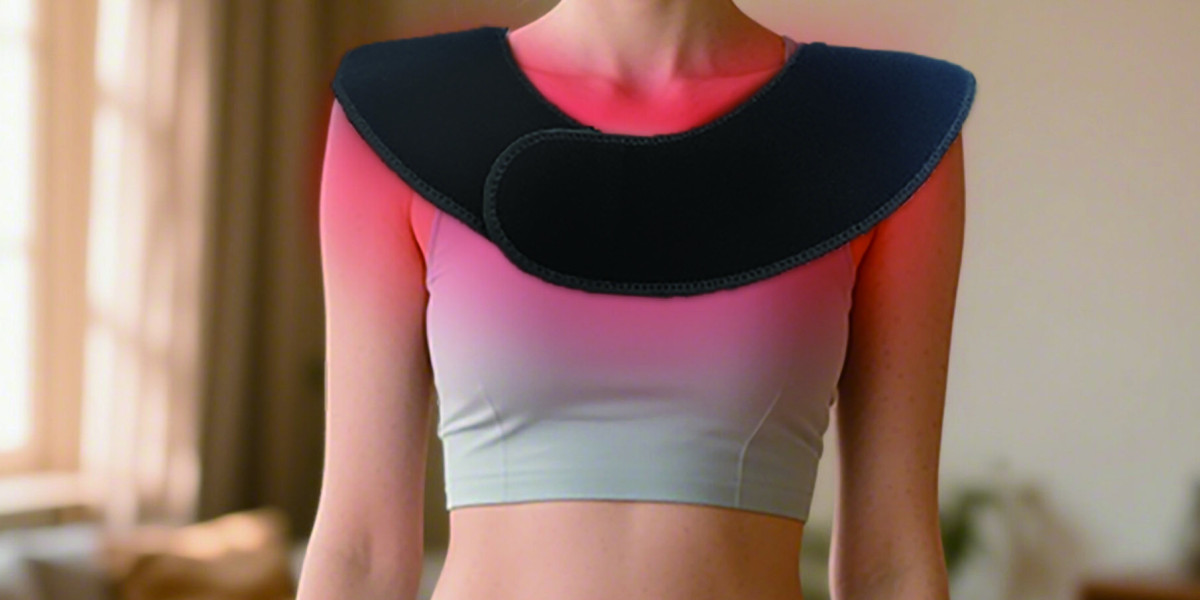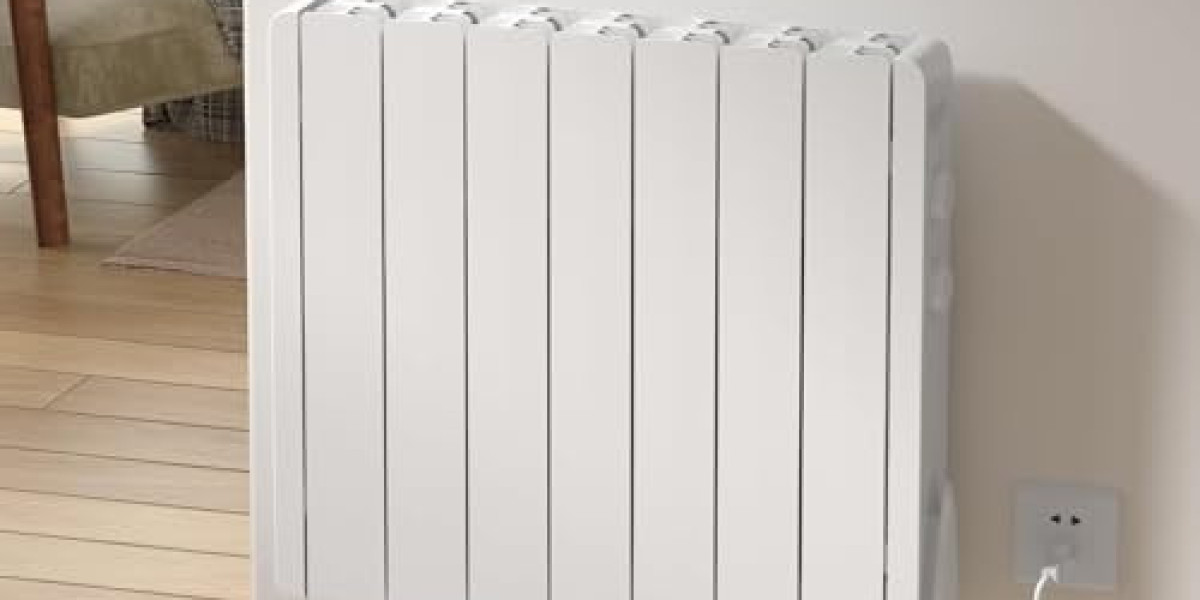

Electric panel heaters serve as an efficient and practical heating solution suitable for a range of indoor spaces. These devices are designed to provide consistent warmth while maintaining a sleek and unobtrusive appearance. Often wall-mounted, they are ideal for conserving floor space, making them especially beneficial in smaller rooms. Quiet in operation, they allow for a comfortable and undisturbed environment. Advances in technology have enhanced their energy efficiency, helping to reduce electricity consumption while maintaining effective performance. Their versatility and functionality make them a popular choice for supplementing existing heating systems or providing standalone heating in individual areas. Understanding their features and applications helps in appreciating their role in modern home heating solutions.
How Electrical Panel Heaters Work
Electrical panel heaters function by converting electrical energy into heat through an internal heating element. This element, commonly made from materials such as ceramic or aluminium, heats up when electricity passes through it. The warmth produced is then distributed either through convection, where heat rises naturally, or by radiant heating, which transfers heat directly to surfaces and objects.
A thermostat integrated into the unit ensures consistent temperature regulation by activating or deactivating the heating element as needed. The design of the housing ensures heat is directed effectively into the room while maintaining safety standards. These heaters are constructed to operate quietly, making them suitable for a variety of spaces while offering an efficient and controlled heating solution.
Benefits of Using Electrical Panel Heaters
Electrical panel heaters provide a reliable and effective heating solution, suitable for various indoor environments. Their compact design enables them to be installed in spaces where traditional heaters may not be practical, optimising room usage. The quiet operation of these heaters ensures they do not disrupt daily activities or rest.
Many models feature advanced thermostatic controls, allowing for precise temperature management and improved energy efficiency. Their ability to deliver consistent warmth without requiring complex installation or maintenance makes them a convenient option.
Additionally, the absence of moving parts in most designs reduces the likelihood of mechanical wear, contributing to their durability. These heaters are often regarded as a versatile addition to existing heating systems or as standalone sources of heat.
Types of Electrical Wall Panel Heaters
Various types of Electrical Wall Panel Heaters are available, each suited to specific needs and preferences. Convection models are designed to distribute warm air evenly throughout a space, making them suitable for maintaining consistent room temperatures. Radiant heaters, on the other hand, offer direct heat by warming surfaces and objects, which can be beneficial for targeted heating.
Hybrid models combine both convection and radiant technologies to provide a balance of efficiency and comfort. Some designs include programmable features, allowing for tailored heating schedules.
Additionally, slimline and compact options are ideal for smaller spaces, while others incorporate advanced features such as integrated fans for rapid heat distribution. Each type caters to diverse requirements, offering versatility in application.
Installation Process of Electrical Wall Panel Heaters
The installation of Electrical Wall Panel Heaters requires attention to both placement and compliance with safety regulations. These heaters are typically mounted on walls, often at a height that allows for optimal heat distribution while avoiding obstructions. Proper alignment and secure fixing using the supplied brackets are essential to maintain stability during operation. Ensuring adequate clearance around the unit prevents overheating and enhances performance.
Electrical connections should meet the necessary standards, and in some cases, it may be beneficial to seek professional assistance for wiring. Placement on an external wall can aid in efficient heat circulation. Adhering to these considerations ensures the heater operates effectively and safely in the intended environment.
Safety Features in Modern Electrical Panel Heaters
Modern electrical panel heaters incorporate a range of features designed to prioritise safety during operation. Many models are equipped with overheat protection mechanisms that automatically deactivate the heater if internal temperatures exceed safe limits. Some designs also include thermal cut-out systems to prevent continuous operation under unsafe conditions. Additional features, such as insulated casings and cool-to-touch surfaces, enhance protection against accidental burns.
Child safety locks are often integrated into control panels, preventing unauthorised adjustments. Compliance with international safety standards, such as CE certification, ensures the devices meet rigorous safety criteria. These measures collectively contribute to creating a secure and reliable heating option for residential and commercial environments while maintaining operational efficiency and performance.
Maintenance Tips for Electrical Panel Heaters
Regular upkeep ensures that electrical panel heaters remain effective and safe. Dust accumulation on surfaces and vents can impede performance and should be removed with a soft cloth or vacuum cleaner. Inspecting the unit periodically for loose fittings, wear, or damage is important for identifying potential issues early. Ensuring the thermostat and other control mechanisms function correctly contributes to consistent operation.
Safety features, such as overheat protection, should also be checked to verify their reliability. It is advisable to follow the manufacturer’s recommendations regarding professional servicing to maintain optimal efficiency. Avoid placing objects near the heater to ensure unobstructed airflow, which supports effective heat distribution and prolongs the lifespan of the device.
Cost Factors of Electric Wall Panel Heaters
The cost of electric wall panel heaters is influenced by a variety of elements, including their design, features, and energy efficiency. Heaters with advanced functionalities, such as smart controls or programmable settings, may have higher initial prices but often provide long-term savings through reduced energy consumption. The size and power output of the heater also affect both upfront and operational costs, as larger units may consume more electricity. Installation expenses, particularly for hardwired models, can also contribute to the overall cost.
Additionally, selecting models with high energy efficiency ratings can help offset ongoing energy expenses. Understanding these factors is key to evaluating the long-term value and affordability of Electrical Wall Panel Heaters.
Smart Technology in Electrical Panel Heaters
Smart technology integrated into electrical panel heaters enhances their functionality by enabling remote operation and advanced control features. Many models are compatible with home automation systems, allowing adjustments to be made via smartphone apps or voice-activated devices. Features such as programmable timers and customised heating schedules offer flexibility and convenience. Energy monitoring tools are often included, enabling users to track consumption and optimise efficiency.
Some heaters incorporate sensors that detect room occupancy or external conditions, automatically adjusting output to maintain comfort while reducing waste. Geofencing technology, in particular, can activate or deactivate heating based on the occupant's proximity to the property. These innovations aim to improve usability while contributing to energy conservation and efficient operation.
Comparing Electrical Panel Heaters to Other Heating Solutions
Electrical panel heaters are often distinguished by their simplicity of installation and targeted heating capabilities. Unlike central heating systems, which require extensive pipework and infrastructure, panel heaters can be easily wall-mounted and used to warm specific rooms efficiently. They operate independently, allowing for temperature control in individual areas without affecting the entire property.
In comparison to portable heaters, electrical panel heaters offer a fixed, unobtrusive solution that eliminates the need for manual repositioning. Additionally, these heaters produce no direct emissions during operation, contrasting with some fuel-based systems. Their reliance on electricity, however, means they are dependent on a stable power supply, which may influence suitability in certain regions. Various models cater to different requirements, enhancing their versatility.
Energy Efficiency Ratings for Electrical Wall Panel Heaters
Energy efficiency ratings provide valuable insight into the performance of Electrical Wall Panel Heaters, indicating how effectively they convert energy into heat. Higher ratings signify reduced energy consumption relative to output, making them a cost-effective and environmentally conscious option. Modern standards, such as those established by regulatory bodies, help ensure transparency and consistency in these evaluations.
Choosing a model with a strong energy efficiency rating can result in lower operational costs over time, while also contributing to energy conservation. These ratings enable informed decisions, allowing for the selection of heaters that align with both economic and environmental priorities.
Environmental Considerations of Electrical Panel Heaters
Electrical panel heaters are increasingly recognised for their environmentally conscious features. Their operation relies solely on electricity, eliminating the need for fossil fuel combustion and reducing direct emissions. Many designs incorporate energy-efficient components to minimise power usage without compromising performance.
Additionally, the compact and durable construction of these heaters often involves materials that can be recycled, promoting sustainability. Proper disposal or recycling at the end of their usage lifecycle further supports eco-friendly practices.
By focusing on reducing energy consumption and environmental impact, electrical panel heaters align with the growing emphasis on sustainable living and responsible resource use.
Choosing the Right Electrical Panel Heater for Your Home
Selecting an electrical panel heater involves assessing the specific heating needs of the intended space. Factors such as room dimensions, insulation quality, and the heater's wattage capacity are crucial in determining its suitability. Advanced features like programmable timers or integrated smart controls may enhance functionality and convenience, depending on individual preferences.
Energy efficiency ratings are also key to ensuring cost-effective and sustainable operation. Wall-mounted models may be preferable for optimising space, particularly in smaller rooms. Carefully evaluating these aspects allows for a well-informed choice that aligns with both the heating requirements and the overall design of the environment.
Conclusion
Electric panel heaters offer an efficient, practical, and space-saving heating solution for modern homes. Their combination of advanced heating technology, energy efficiency, and user-friendly features makes them suitable for a wide range of indoor environments. From smart controls and safety mechanisms to simple maintenance requirements, these heaters provide consistent comfort while supporting responsible energy use. Selecting the right model based on room size, efficiency ratings, and desired features helps maximise performance and long-term value. As heating technology continues to evolve, Electrical Wall Panel Heaters remain a dependable option for creating comfortable, energy-conscious living spaces throughout Australia.
FAQs
What are the main benefits of Electric panel heaters?
Electric panel heaters provide consistent warmth while occupying minimal space, making them suitable for various indoor environments. They operate quietly, require little maintenance, and often include energy-efficient features such as programmable thermostats and smart controls. Their wall-mounted design also helps maximise usable floor space while delivering reliable and controlled heating.
How do Electrical Wall Panel Heaters improve energy efficiency?
Electrical Wall Panel Heaters improve energy efficiency by converting electricity into heat with minimal waste. Many models include thermostats, timers, and smart controls that regulate heating according to room conditions and user preferences. These features reduce unnecessary energy consumption while maintaining a comfortable indoor temperature throughout the day.
How should Electrical Wall Panel Heaters be maintained?
Regular maintenance includes cleaning dust from vents and surfaces, inspecting the heater for signs of wear or damage, and ensuring the thermostat and safety features function correctly. Keeping airflow unobstructed and following the manufacturer’s servicing recommendations helps maintain efficiency, prolongs the heater’s lifespan, and supports safe operation.
What safety features are commonly included in Electrical Wall Panel Heaters?
Modern Electrical Wall Panel Heaters commonly include overheat protection, thermal cut-out systems, insulated casings, and cool-to-touch surfaces. Some models also feature child safety locks and comply with recognised safety standards. These protective measures help minimise operational risks while ensuring reliable and safe heating performance in residential settings.
What factors should be considered when choosing an electrical wall panel heater?
Choosing an electrical wall panel heater involves considering room size, insulation quality, heating capacity, energy efficiency ratings, and available smart features. Installation requirements, operating costs, and programmable controls should also be assessed. Evaluating these factors helps ensure the selected heater delivers effective, economical, and comfortable heating for the intended space in Australia.
Related Business Listings |