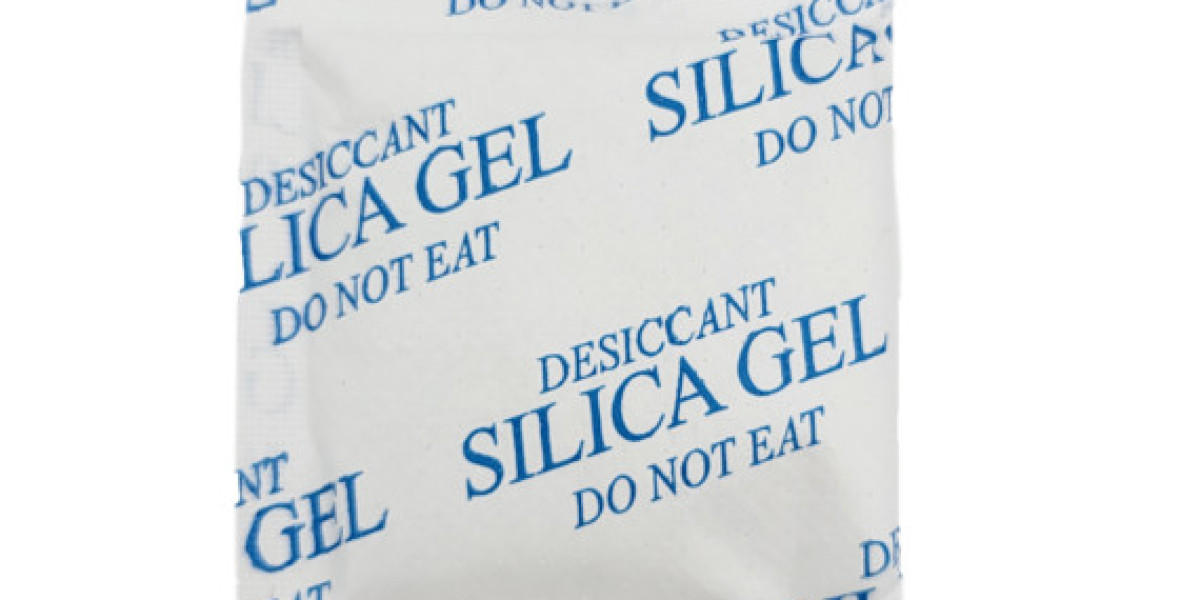

Moisture can cause serious damage to products, packaging, equipment, documents, and sensitive materials. Excess humidity may lead to mold growth, corrosion, unpleasant odors, reduced product quality, and shorter shelf life. One of the most effective solutions for controlling moisture is silica gel desiccant.
Silica gel desiccant is a moisture-absorbing material widely used in packaging, pharmaceuticals, electronics, food storage, clothing, and industrial applications. Despite its name, silica gel is not actually a liquid gel. It is a solid form of silicon dioxide that contains millions of tiny pores capable of attracting and holding water vapor from the surrounding environment.
Many businesses rely on silica gel desiccants to protect products during storage and transportation. From keeping electronic devices dry to maintaining the quality of medicines and preventing moisture damage in packaging, silica gel plays an important role in modern moisture control.
This guide explains what silica gel desiccant is, how it works, its benefits, different types, common applications, and how to select the right product for your needs.
What Is Silica Gel Desiccant?
Silica gel desiccant is a moisture-absorbing material designed to reduce humidity levels in enclosed spaces. It is commonly found in small packets placed inside product packaging to prevent moisture-related damage.
Silica gel is made from silicon dioxide, a naturally occurring compound found in materials such as sand and quartz. During manufacturing, it is processed into a porous structure that allows it to absorb and hold moisture molecules.
Unlike absorbent materials that become wet after collecting moisture, silica gel remains dry to the touch even after absorbing water vapor. This makes it an effective option for protecting sensitive products during storage and shipping.
Common forms of silica gel desiccant include:
Packets and sachets
Beads
Granules
Crystals
Canisters
Different forms are designed for different moisture control requirements.
How Does Silica Gel Desiccant Work?
Silica gel desiccant works through a process called adsorption. This means moisture molecules attach themselves to the surface of silica gel rather than being absorbed into its internal structure.
The tiny pores within silica gel create a large surface area that attracts water vapor from the surrounding air. As humidity increases, silica gel captures more moisture, helping maintain a dry environment inside sealed packaging or containers.
The effectiveness of silica gel depends on factors such as:
Temperature
Humidity level
Amount of silica gel used
Size of the enclosed space
Exposure time
Because of its ability to control moisture without releasing harmful substances, silica gel is widely used across multiple industries.
Benefits of Using Silica Gel Desiccant
1. Prevents Moisture Damage
The primary benefit of silica gel desiccant is its ability to protect products from humidity-related damage.
Excess moisture can cause:
Rust and corrosion
Mold growth
Product deterioration
Bad odors
Packaging damage
By reducing moisture levels, silica gel helps maintain product quality and extend shelf life.
2. Protects Electronic Products
Electronic devices are highly sensitive to moisture. Humidity can damage internal components, cause corrosion, and reduce product performance.
Silica gel desiccant is commonly used with:
Smartphones
Cameras
Computer parts
Electronic equipment
Batteries
Including silica gel packets in packaging helps protect electronics during storage and transportation.
3. Extends Product Shelf Life
Many products require controlled humidity conditions to maintain their quality. Silica gel helps preserve freshness and usability by preventing moisture exposure.
It is widely used in:
Pharmaceuticals
Food packaging
Leather products
Clothing
Industrial materials
4. Reduces Mold and Mildew Growth
Moist environments create ideal conditions for mold and mildew development.
Silica gel desiccants help reduce humidity, making environments less suitable for fungal growth. This is particularly useful for stored goods, documents, and textiles.
5. Safe and Easy to Use
Silica gel desiccants are simple to use and require no electricity or complicated equipment.
They can be placed directly inside packaging, containers, or storage areas to provide continuous moisture control.
Types of Silica Gel Desiccant
Different applications require different types of silica gel desiccants.
Indicating Silica Gel
Indicating silica gel contains a color indicator that changes when the material absorbs moisture.
This allows users to easily determine whether the silica gel needs replacement or regeneration.
Common uses include:
Laboratories
Equipment storage
Industrial applications
Indicating silica gel helps monitor moisture levels without opening containers unnecessarily.
Non-Indicating Silica Gel
Non-indicating silica gel does not change color when it absorbs moisture. It is commonly used in general packaging applications.
Common uses include:
Consumer product packaging
Clothing storage
Food packaging
It is affordable and widely available.
White Silica Gel
White silica gel is one of the most commonly used forms. It contains no color indicator and provides effective moisture absorption.
Applications include:
Electronics packaging
Pharmaceutical products
General storage
Blue Silica Gel
Blue silica gel contains a moisture indicator that changes color as it becomes saturated.
It has traditionally been used in industrial applications, although some industries prefer safer alternatives due to concerns about indicator chemicals.
Orange Silica Gel
Orange silica gel is a popular alternative to blue indicating silica gel. It changes color as moisture levels increase and is considered a safer option for many applications.
It is commonly used in:
Electronics
Storage containers
Equipment protection
Silica Gel Packets
Silica gel packets are small sachets filled with silica gel beads. They are commonly placed inside product packaging.
They are widely used in:
Shoe boxes
Clothing packaging
Medicine bottles
Electronics packaging
Applications of Silica Gel Desiccant
Silica gel desiccants are used in many industries because of their excellent moisture control properties.
Pharmaceutical Industry
The pharmaceutical industry requires strict quality control to protect medicines from moisture damage.
Silica gel desiccants are commonly included in medicine packaging to help maintain product stability.
They help protect:
Tablets
Capsules
Supplements
Medical products
Moisture control is important because humidity can affect the effectiveness and shelf life of certain products.
Food Packaging Industry
Many food products can lose quality when exposed to moisture.
Silica gel desiccants help maintain dryness in packaged products such as:
Snacks
Spices
Dried foods
Pet food
They help prevent texture changes and maintain product freshness.
Electronics Industry
Electronic components require protection from humidity during storage and shipping.
Silica gel packets are commonly included with:
Cameras
Devices
Circuit boards
Accessories
They help reduce the risk of moisture-related damage.
Clothing and Textile Industry
Humidity can damage fabrics and create unpleasant odors.
Silica gel desiccants are often placed inside packaging for:
Shoes
Leather goods
Clothing
Bags
They help maintain product condition during storage and transportation.
Industrial Equipment Storage
Large equipment and machinery may be affected by moisture during storage.
Silica gel desiccants help protect:
Tools
Metal components
Precision equipment
Machinery parts
They reduce corrosion risks and help maintain equipment quality.
Document and Archive Protection
Important documents, photographs, and historical materials can be damaged by moisture.
Silica gel helps maintain dry storage conditions for:
Books
Documents
Artwork
Collectibles
How to Choose the Right Silica Gel Desiccant
Selecting the correct silica gel desiccant depends on your specific moisture control requirements.
Consider the Application
Different products require different levels of moisture protection.
For example:
Electronics may require high-performance desiccants
Food packaging may require food-safe options
Industrial equipment may need larger quantities
Determine the Required Quantity
The amount of silica gel needed depends on:
Package size
Moisture exposure
Storage duration
Environmental conditions
Using too little silica gel may not provide sufficient protection.
Choose the Right Type
Consider whether you need:
Indicating silica gel for moisture monitoring
Non-indicating silica gel for general use
Packets for small products
Bulk granules for larger applications
Check Quality Standards
High-quality silica gel provides better moisture absorption and consistent performance.
Businesses should purchase from reliable suppliers to ensure product safety and effectiveness.
Silica Gel Desiccant vs Other Moisture Absorbers
Different moisture control products offer different benefits.
Silica Gel Desiccant
Advantages:
Reusable in many cases
Clean and dry
Effective at controlling humidity
Suitable for sensitive products
Calcium Chloride Absorbers
Advantages:
Strong moisture absorption
Suitable for high-humidity environments
However, they may produce liquid residue after absorbing moisture.
Clay Desiccants
Advantages:
Natural material
Affordable option
Clay desiccants may provide lower absorption performance compared with silica gel in some applications.
Can Silica Gel Desiccant Be Reused?
Many silica gel desiccants can be reused after regeneration.
When silica gel becomes saturated with moisture, it can often be dried by heating it at an appropriate temperature to remove collected moisture.
The regeneration process depends on:
Type of silica gel
Manufacturer instructions
Product design
Not all silica gel packets are designed for reuse, so users should check product guidelines before attempting regeneration.
Safety Considerations When Using Silica Gel Desiccant
Silica gel itself is generally considered stable and safe for many applications. However, silica gel packets should not be consumed.
Important safety practices include:
Keep packets away from children
Do not open packets unnecessarily
Follow manufacturer instructions
Use food-grade options for food-related applications
The phrase “Do Not Eat” on packets is a safety warning because the packets are not intended for consumption.
Common Mistakes When Using Silica Gel Desiccant
Using Too Little Silica Gel
Insufficient quantity may not provide effective moisture control.
Choosing the Wrong Type
Different environments require different silica gel options. Selecting the wrong product may reduce effectiveness.
Ignoring Storage Conditions
Silica gel should be stored properly before use to prevent premature moisture absorption.
Reusing Without Regeneration
Saturated silica gel may not work effectively unless properly dried and regenerated.
Why Quality Matters When Buying Silica Gel Desiccant
High-quality silica gel desiccants provide reliable moisture control and better performance.
Quality products offer:
Strong moisture absorption
Consistent results
Proper packaging
Longer effectiveness
Suitable applications
Businesses should choose trusted suppliers to ensure their products receive proper protection.
Conclusion
Silica gel desiccant is one of the most effective and widely used solutions for controlling moisture and protecting valuable products. From pharmaceuticals and electronics to food packaging, clothing, and industrial equipment, silica gel helps prevent humidity-related damage and maintain product quality.
Its ability to absorb moisture without creating liquid residue makes it a preferred choice for many industries. By selecting the right type, quantity, and quality of silica gel, businesses and individuals can create safer and more reliable storage conditions.
Whether used in small packaging or large industrial applications, silica gel desiccant provides an efficient way to manage moisture and protect sensitive materials.
Frequently Asked Questions (FAQs)
1. What is silica gel desiccant used for?
Silica gel desiccant is used to absorb moisture and protect products from humidity damage. It is commonly used in electronics, pharmaceuticals, food packaging, clothing, and industrial storage.
2. How does silica gel desiccant work?
Silica gel works through adsorption, where moisture molecules attach to the surface of silica gel particles and are trapped inside their tiny pores.
3. Can silica gel desiccant be reused?
Yes, many silica gel products can be reused after proper drying or regeneration. However, users should follow manufacturer instructions.
4. Is silica gel desiccant toxic?
Silica gel itself is generally stable, but it should not be eaten. Silica gel packets include safety warnings because they are not designed for consumption.
5. What industries use silica gel desiccants?
Industries such as pharmaceuticals, electronics, food packaging, textiles, manufacturing, and logistics commonly use silica gel desiccants.
6. How long does silica gel desiccant last?
The lifespan depends on humidity conditions, storage environment, and the amount of moisture absorbed. Properly stored silica gel can remain effective for long periods.
7. What is the difference between blue and orange silica gel?
Blue and orange silica gels contain moisture indicators that change color when saturated. Orange silica gel is often preferred as a safer alternative in many applications.
8. How much silica gel desiccant should I use?
The required amount depends on package size, humidity level, and product sensitivity. Manufacturers usually provide recommended quantities for specific applications.