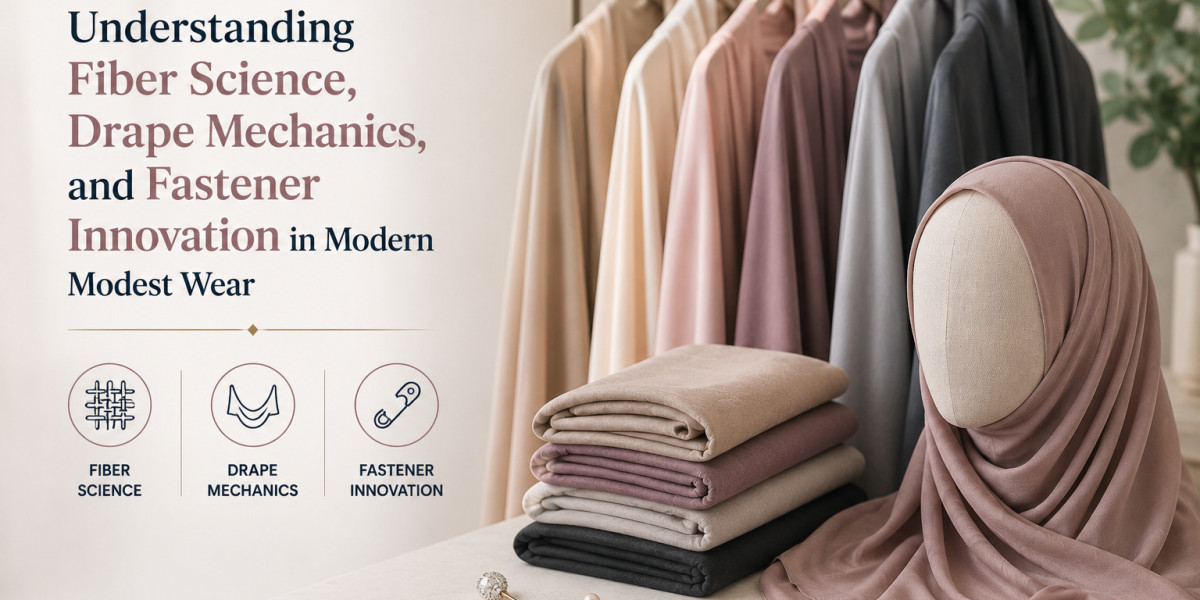

Navigating the world of modern modest fashion requires a thoughtful balance between aesthetic elegance, structural stability, and daily wear ability. For women who wear head coverings across changing seasons and busy daily schedules, the performance of any headpiece depends on fiber composition, weave construction, mechanical stretch, and how layers are secured.
Historically, securing delicate fabrics meant relying on traditional safety pins or sharp straight pins. Over time, however, puncturing fine yarns creates visible holes, surface snagging, and structural fraying that permanently ruins luxury textiles. The evolution of fabric technology—alongside innovative magnetic fastening systems—has transformed how daily wraps are styled. By understanding how different textiles interact with skin, hair, and securing accessories, you can curate a wardrobe of high-performing, long-lasting Scarves that deliver effortless grace without compromising fabric integrity.
Fiber Physics and Drape Dynamics Across Scarf Textiles
A head covering's ability to frame the face cleanly while staying in place without continuous adjustment is governed by textile dynamics. Different raw materials—ranging from natural plant fibers to synthetic microfibers—exhibit unique weights, coefficients of friction, and moisture-handling properties.
Chiffon and Silk Blends: Sheer Elegance and Fluid Drape
Chiffon and silk weaves remain top choices for formal occasions, evening wear, and professional settings due to their lightweight handle, subtle luster, and airy feel. Woven with highly twisted yarns, chiffon produces a gentle float across the shoulders.
However, because continuous filament fibers have an exceptionally smooth surface, sheer woven textiles possess low surface friction. When placed directly over smooth hair, they tend to slide out of position. Achieving a stable wrap with lightweight woven fabrics requires pairing them with non-slip under caps or securing them with specialized accessories that clamp the material gently without causing thread slippage.
Viscose and Bamboo Modal: Natural Breathability and Moisture Management
Derived from regenerated plant cellulose, viscose and bamboo modal fibers offer high moisture absorbency and exceptional breathability. Unlike synthetic materials that trap ambient humidity beneath the fabric, modal allows heat and moisture vapor to dissipate naturally.
When woven into lightweight wraps, modal produces a soft, matte texture with a graceful, heavy drape. The microscopic texture of cellulose fibers creates natural friction against skin, keeping wraps stable throughout long workdays or travel in warm climates.
Why Knit Structures Excel: Thermal Comfort and Elastic Dynamics
While traditional flat-woven fabrics rely on straight warp and weft threads, knit textiles are constructed using interlocked loops of yarn. This fundamental structural difference gives knit fabrics unique performance advantages for everyday wear, active routines, and quick styling.
Four-Way Mechanical Stretch and Contour Fitting
The interlocked loop geometry of knit fabrics creates inherent mechanical elasticity. Rather than pulling taut against the skin or placing pressure on sensitive areas around the ears and neck, knit wraps expand and flex dynamically with movement. This flexibility allows the fabric to contour smoothly around facial features while providing complete coverage without feeling tight or restrictive.
Non-Slip Surface Friction and All-Day Hold
The microscopic loops on the surface of knit textiles create natural micro-grips against hair and under caps. This subtle friction eliminates the constant sliding associated with slick woven fabrics. As a result, many women can wear knit wraps in loose, flowing styles without needing complex under-wrapping or multiple fasteners.
For women looking for an effortless everyday solution, adding high-grade Jersey scarves to a daily wardrobe offers an ideal combination of softness, structural stability, and quick, pin-free styling.
Protecting Fine Weaves: The Shift to Non-Destructive Magnetic Fasteners
Even the highest quality textile will degrade quickly if subjected to repeated damage from sharp metal fasteners. Understanding how pins damage fabric—and how modern magnetic alternatives solve this issue—is essential for preserving the lifespan of your wardrobe investments.
The Mechanics of Pin Damage in Fine Yarns
Traditional safety pins and straight pins secure layers by piercing directly through the fabric matrix. When a sharp metal pin forces its way through fine yarns, several structural failures occur:
- Fiber Displacement: The sharp point pushes parallel threads apart, leaving visible micro-holes that fail to close when the pin is removed.
- Yarn Snagging: Rough metal edges catch on fine filament fibers, pulling individual threads out of alignment and creating unsightly surface puckering.
- Tensile Shearing: Under mechanical strain—such as head movement, wind, or heavy fabric folds—the pin acts as a cutting edge, tearing through weak yarns and creating permanent fabric holes.
How Neodymium Magnetic Fasteners Protect Textile Integrity
Modern modest wear engineering resolves pin damage through compact magnetic closures powered by high-grade neodymium magnets. These magnetic fasteners clip over fabric layers, using strong magnetic attraction to hold folds securely in place without piercing a single yarn strand.
By switching to smooth, ultra-strong Hijab magnets, you can hold multiple layers of heavy jersey, dense cotton, or delicate chiffon firmly in place all day while keeping your favorite pieces free from holes and pulled threads.
Complete Guide to Selecting the Right Head Covering for Every Occasion
Building a versatile, practical, and stylish headwear collection requires selecting the right fabric, cut, and weight for your daily schedule and climate conditions.
1. Casual Everyday Wear and Active Schedules
For running daily errands, commuting, working from home, or engaging in physical activity, ease of wear and low maintenance are essential. Look for medium-weight cotton or bamboo jersey wraps that offer natural stretch, high opacity, and non-slip stability.
- Recommended Fabrics: Cotton jersey, bamboo viscose knit.
- Key Features: Breathable, stretch-conformable, pin-free capability.
- Best Styling: Quick single-loop wraps, chest-coverage drapes, casual shoulder tosses.
2. Professional and Corporate Environments
Professional settings benefit from clean lines, structured drapes, and smooth, wrinkle-resistant finishes that maintain a polished appearance from morning meetings to evening events.
- Recommended Fabrics: Fine viscose modal, dense Georgette, premium woven blends.
- Key Features: Crisp drape, matte or low-sheen finish, excellent color retention.
- Best Styling: Tailored front folds, structured frame wraps, neat shoulder tucks.
3. Formal Events, Weddings, and Celebrations
Special occasions call for luxury textures, fluid drapes, and high-luster surfaces that complement elegant evening attire.
- Recommended Fabrics: Silk-blend chiffon, satin-backed crepes, sheer shimmer weaves.
- Key Features: Lightweight handle, rich color depth, elegant drape.
- Best Styling: Cascading layered wraps, tucked crown drapes, elegant side folds secured with decorative accents.
Exploring a well-curated collection of elegant Hijabs allows you to choose the exact fabric weight, finish, and texture needed for any setting.
Technical Comparison: Textile Performance and Securing Methods
Feature / Metric | Lightweight Woven Chiffon | Natural Viscose Modal | High-Density Knit Jersey |
Fiber Architecture | Twisted filament plain weave | Continuous cellulosic weave | Interlocked looping knit |
Surface Texture | Smooth, sheer, floaty | Ultra-soft, matte, fluid | Soft, micro-textured, flexible |
Mechanical Stretch | Zero to minimal | Low natural drape-stretch | Four-way multi-directional stretch |
Surface Friction | Low (Requires under cap/magnet) | Moderate (Stays well in place) | High (Non-slip natural grip) |
Wrinkle Resistance | High | Moderate (May require light steam) | Superior (Wrinkle-resistant) |
Securing Method | Magnetic fasteners + Undercap | Magnetic fasteners or loose toss | Pin-free or magnetic hold |
Care and Maintenance Protocols for Long-Lasting Modest Apparel
High-quality textiles are an investment in your daily comfort and personal style. Proper cleaning, drying, and storage routines ensure your favorite wraps preserve their color vibrancy, softness, and structural shape for years.
Washing Techniques: Preserving Fiber Elasticity
- Hand Washing: Wash delicate chiffon, silk, and fine modal in cold water using a gentle, pH-neutral liquid detergent. Swish gently without twisting, scrubbing, or wringing the fabric.
- Machine Washing: For everyday jersey and durable cotton wraps, use a gentle cycle with cold water. Place pieces inside a mesh laundry bag to prevent them from tangling around the washing machine agitator or catching on zippers.
- Avoiding Fabric Softeners: Avoid overusing commercial fabric softeners on activewear knits or high-absorption modal. Softeners leave a thin chemical coating on fibers that reduces moisture-wicking capacity over time.
Drying and Storage Strategies
- Air Drying: Lay knits and delicate woven wraps flat on a clean drying rack away from direct sunlight. Hanging wet jersey wraps from a single point can stretch out the fabric loops, distorting the rectangular shape.
- Steam vs. Ironing: Use a garment steamer to remove wrinkles from fine modal and chiffon. If using an iron, select the lowest heat setting suited for the specific fiber blend and place a thin pressing cloth between the iron plate and the fabric.
- Organized Storage: Store your collection by rolling pieces loosely or hanging them over wide, padded hangers. Keep your magnetic accessories separate in a soft velvet pouch to prevent them from snapping onto metal zippers or snagging delicate fabrics in your drawer.
Frequently Asked Questions
1. What is the most breathable head covering fabric for hot and humid climates?
Natural cellulosic fibers like bamboo modal, lightweight organic cotton, and fine viscose are the most breathable options for warm weather. These materials allow air to circulate freely and absorb body moisture, keeping you cool and dry. In contrast, 100% synthetic fabrics tend to trap heat and humidity against the skin.
2. How do magnetic closures compare in strength to standard safety pins?
High-grade neodymium magnetic fasteners exert substantial clamping force, keeping multiple layers of fabric aligned even during active movement or windy weather. Unlike safety pins, which concentrate strain on a single sharp point, magnetic closures distribute holding pressure evenly across their flat surface area, offering a secure hold without damaging the fabric.
3. Are knit jersey wraps suitable for formal occasions?
While knit jersey is primarily popular for everyday casual wear due to its comfort and non-slip nature, premium viscose jersey wraps in deep jewel tones or rich neutral shades can easily be styled for formal settings. Pairing a smooth jersey wrap with sleek magnetic accents and tailored attire creates a modern, sophisticated look.
4. How can I keep sheer chiffon wraps from slipping without using sharp pins?
To prevent sheer chiffon from slipping, wear a breathable cotton or bamboo under cap beneath the wrap to create a high-friction base. Fold and style the chiffon as desired, then secure the layers at the neck or shoulder using magnetic fasteners. This holds the style firmly in place without poking holes in the delicate fabric.
Final Thoughts
Selecting the right modest wear is an art that combines an appreciation for quality textiles with smart styling solutions. By choosing breathable natural fibers, exploring flexible knit structures, and adopting non-destructive securing accessories, you can build a versatile wardrobe that delivers total comfort, elegant drape, and long-lasting durability. Investing in well-made pieces and caring for them thoughtfully ensures you look and feel your best every single day.