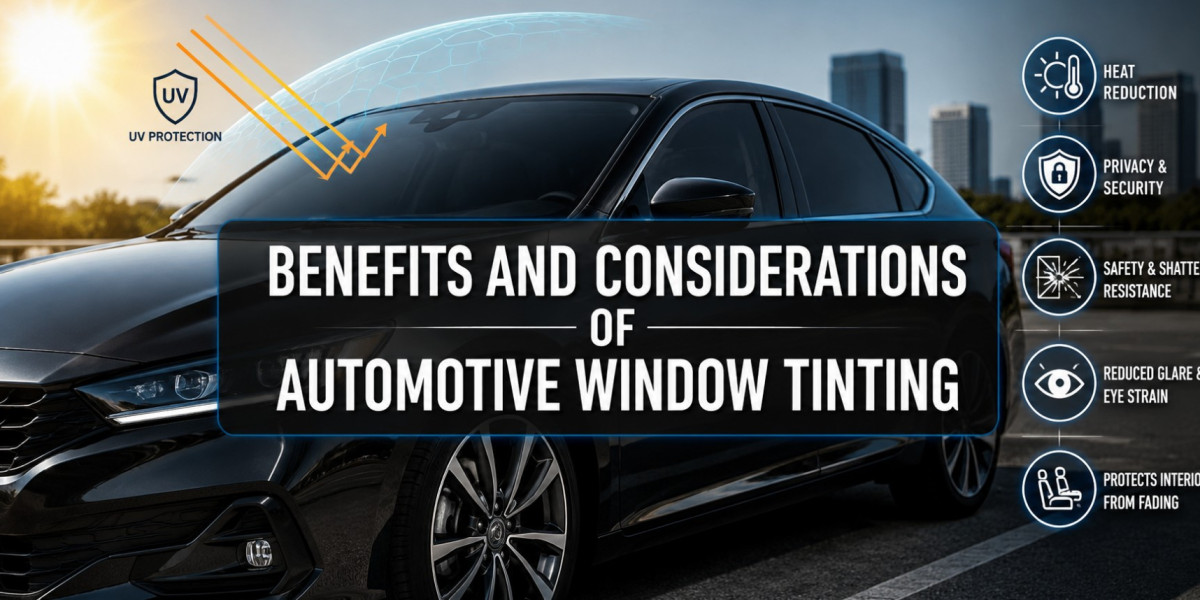

Automotive window tinting has become much more than a cosmetic upgrade for vehicle owners. While the image of a sleek car with darkened windows may come to mind, the reasons for installing window tint are rooted in science, comfort, and safety.
For car owners aiming to protect their investment and enhance the driving experience, window tint offers tangible advantages. In this article, we will explore the practical benefits, key considerations, types of tinting films, and address some frequently asked questions to guide your decision.
Enhancing Comfort and Privacy
One of the clearest advantages of automotive window tint is the boost to interior comfort. Tinted windows can effectively reduce heat inside the car, especially on summer days or in warmer climates. This temperature moderation is achieved by blocking a significant percentage of solar energy and UV rays, which not only keeps passengers cooler but also reduces the load on the air conditioner.
Privacy is another frequently cited benefit. Whether you are stopping at a red light or parking in a busy area, tinted windows help block the view for passersby and deter prying eyes. This discretion is valuable for families, professionals who store work equipment in their vehicles, or anyone who simply values a greater sense of personal space while driving.
UV Protection for Health and Interiors
Window tinting is not merely about comfort. It serves a health-conscious purpose by blocking up to 99 percent of harmful ultraviolet rays. Prolonged UV exposure can lead to skin aging and increase the risk of skin cancer. Tinted windows provide an additional layer of protection for passengers, especially those who spend a lot of time on the road.
From a preservation standpoint, UV rays can also cause interiors to fade, crack, or become brittle over time. Leather seats, dashboards, and trim are particularly vulnerable. Tinting helps extend the lifespan of these materials, keeping the interior looking new and well maintained.
Improving Safety and Security
Window tint films increase safety in several ways. In the event of an accident, standard glass windows may shatter and send dangerous fragments flying inside the car. High-quality window film helps hold glass together on impact, reducing the risk of injury from broken shards.
Tinted windows also offer a modest increase in vehicle security by making it more difficult for thieves to see valuables left inside. While it is never advisable to leave valuables in plain sight, added obscurity can be a deterrent, potentially saving you from the inconvenience and cost of a break-in.
Reducing Glare and Eye Strain
Glare from sunlight and headlights is a common source of discomfort and distraction for drivers. Excessive glare can tire the eyes, reduce visibility, and increase reaction times, especially when driving early in the morning or late in the day. Window tint significantly reduces glare, contributing to safer and less fatiguing journeys.
Varieties of Automotive Tint Films
There is a range of automotive window tint options tailored to different needs and budgets. The most popular types include dyed films, metallic films, carbon films, and ceramic films. Each has distinctive properties:
- Dyed films provide basic heat and glare reduction and are generally the most affordable. Their color may fade over time compared to advanced films.
- Metallic films use metalized particles to provide effective heat rejection and increased shatter prevention, though they may interfere with electronic signals in some cases.
- Carbon films do not fade with age and offer great heat resistance without the signal-interference issues seen with metallic tints.
- Ceramic films represent the premium end, with excellent heat regulation, UV protection, and clarity. They are more expensive but provide the best performance and longevity.
Legal and Practical Considerations
Before installing window tint, it is essential to understand the local laws regarding allowable levels of darkness and reflectivity. Tinting regulations vary by country and even from state to state. Many places restrict how dark the tint can be and which windows it can be applied to, especially the front side windows and windshield. Improper tinting may result in fines or the requirement to remove the film.
Professional installation is highly recommended. DIY options exist, but proper application requires clean conditions, precise tools, and experience to avoid bubbles or poor adhesion. Reputable installers will ensure compliance with regulations, proper fitment, and high-quality results.
Frequently Asked Questions
Is window tinting worth the investment for my vehicle?
Yes. Beyond enhanced aesthetic, tinting provides privacy, heat reduction, UV protection, and increased comfort. These benefits can extend the life of your car's interior and offer a safer, more enjoyable driving experience.
Will window tint impact my visibility during night driving?
When installed within legal limits, quality tint films will not significantly hinder nighttime visibility. However, extremely dark tints or poorly installed films can reduce visibility and are not recommended.
How long does automotive window tint last?
The lifespan of a tint film varies depending on the material, climate, and care, but most professional installations should last between five and ten years. Premium films like ceramics can last even longer.
Can I wash my car after tint installation?
It is advised to wait several days before washing your car or rolling down the windows to ensure the tint fully adheres and cures. Your installer will provide specific after-care instructions.
Surgery
Automotive window tinting is a smart choice for vehicle owners who value comfort, privacy, and protection. While appearance may play a role in your decision, the true value of window tint lies in its functional advantages, from UV protection and safety to glare reduction and enhanced interior preservation.
If you are considering window tint for your vehicle, consult a reputable professional, review your local regulations, and choose a film that aligns with both your needs and legal requirements.













