
Personal protective equipment has become an essential part of safety practices in healthcare, workplaces, public environments, and everyday life. Among the most recognised respiratory protection products, the KN95 Face Mask is widely used because of its filtration performance, comfortable design, and ability to help reduce exposure to airborne particles.
KN95 face masks are designed to create a protective barrier over the nose and mouth while filtering airborne particles such as dust, droplets, and other contaminants. They are commonly used by healthcare workers, industrial employees, travellers, and individuals who want additional respiratory protection in environments where air quality or contamination risks are a concern.
Choosing the right KN95 mask requires understanding filtration efficiency, fit, comfort, materials, and proper usage. Not all masks provide the same level of protection, so selecting a reliable product is important for achieving the intended benefits.
This complete guide explains what KN95 face masks are, how they work, their benefits, common uses, how to choose the right option, proper wearing techniques, and frequently asked questions.
What Is a KN95 Face Mask?
A KN95 Face Mask is a type of filtering facepiece respirator designed to help protect the wearer from airborne particles. The “KN95” designation refers to a Chinese standard for respiratory protective equipment.
KN95 masks are designed to filter a high percentage of airborne particles when properly fitted and worn correctly. They are commonly manufactured using multiple layers of filtration material that help capture small particles while allowing comfortable breathing.
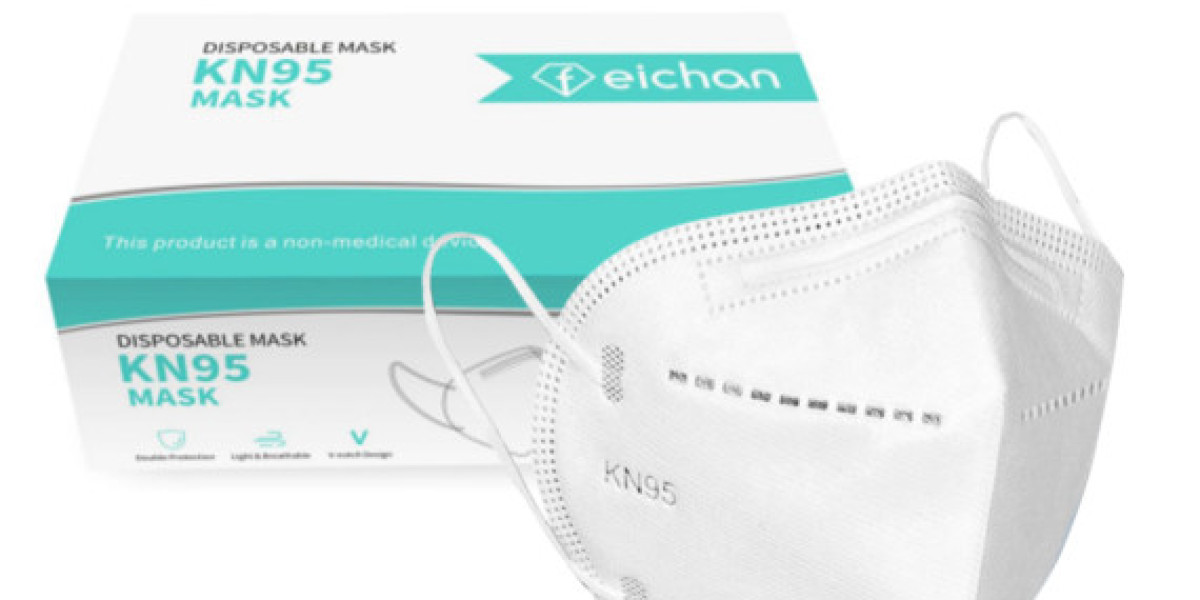
A typical KN95 mask includes:
Multiple filtration layers
Adjustable nose clip
Elastic ear loops
Contoured shape for facial coverage
Lightweight breathable material
Unlike basic face coverings, KN95 masks are designed specifically for improved filtration and closer facial coverage.
How Does a KN95 Face Mask Work?
A KN95 mask works by filtering airborne particles before they enter the respiratory system.
The mask usually contains several layers that work together.
Outer Protective Layer
The outer layer helps protect the mask structure from external particles and moisture.
Filtration Layer
The middle filtration layer is responsible for capturing small airborne particles.
This layer uses specialised materials designed to improve filtration efficiency.
Inner Comfort Layer
The inner layer is designed to provide comfort against the skin while absorbing moisture from breathing.
When properly fitted, a KN95 mask creates a seal around the nose and mouth, helping reduce the amount of unfiltered air entering the breathing zone.
Benefits of Using a KN95 Face Mask
KN95 masks provide several advantages for people who need additional respiratory protection.
Helps Filter Airborne Particles
One of the main benefits of a KN95 mask is its ability to filter airborne particles.
It can help reduce exposure to:
Dust
Airborne droplets
Fine particles
Environmental pollutants
Workplace contaminants
This makes KN95 masks useful in many professional and personal settings.
Provides Better Coverage Than Basic Masks
The design of KN95 masks allows closer coverage around the face compared with loose-fitting face coverings.
A secure fit helps reduce gaps around:
Nose area
Cheeks
Chin
Proper coverage improves the effectiveness of respiratory protection.
Comfortable for Extended Use
Many KN95 masks are designed for daily wear.
Features that improve comfort include:
Lightweight materials
Flexible ear loops
Adjustable nose pieces
Breathable construction
Comfort is important for healthcare workers, employees, and travellers who may wear masks for extended periods.
Suitable for Multiple Environments
KN95 face masks are used in various situations, including:
Healthcare settings
Workplaces
Public transportation
Travel
Construction environments
Industrial applications
Common Uses of KN95 Face Masks
KN95 masks are used across different industries and everyday situations where respiratory protection is needed.
Healthcare Applications
Healthcare workers may use respiratory protection as part of workplace safety procedures.
KN95 masks can be used in environments where reducing exposure to airborne particles is important.
Common healthcare applications include:
Patient care areas
Clinics
Medical facilities
Healthcare support services
Workplace Protection
Many workplaces require respiratory protection due to dust, particles, or environmental conditions.
Industries that may use KN95 masks include:
Manufacturing
Construction
Warehousing
Cleaning services
Laboratories
Workers may use masks to reduce exposure to workplace particles.
Travel and Public Environments
Many people choose KN95 masks during travel because airports, public transport, and crowded locations may involve close contact with many individuals.
They are commonly used in:
Airplanes
Trains
Buses
Shopping areas
Public events
Air Quality Protection
KN95 masks may also be used in areas affected by:
Dust
Smoke
Pollution
Construction particles
They provide an additional barrier when air quality conditions are a concern.
KN95 Face Mask vs Other Masks
Understanding differences between mask types helps users choose the right protection.
KN95 Face Mask vs Surgical Mask
Surgical masks are primarily designed to reduce exposure to droplets and help prevent contamination.
KN95 masks are designed for improved filtration and closer facial coverage.
Key differences include:
KN95 Face Mask:
Closer facial fit
Multi-layer filtration
Designed for particle filtration
Surgical Mask:
Loose-fitting design
Primarily controls droplets
Less facial sealing
The appropriate choice depends on the environment and protection requirements.
KN95 Face Mask vs Cloth Mask
Cloth masks are reusable face coverings designed mainly for basic protection.
KN95 masks provide:
More structured design
Higher filtration capability
Better facial coverage
Cloth masks may still be useful in some situations but generally provide different levels of protection.
How to Choose the Right KN95 Face Mask
Selecting a reliable KN95 mask is important for achieving effective protection.
Check Mask Quality
A quality KN95 mask should have:
Strong construction
Multiple filtration layers
Secure ear loops
Adjustable nose clip
Clear product information
Avoid products with unclear manufacturing details.
Consider Proper Fit
Fit is one of the most important factors affecting mask performance.
A good KN95 mask should:
Cover the nose and mouth completely
Sit comfortably on the face
Reduce gaps around edges
Stay secure during movement
Different face shapes may require different mask designs.
Choose Comfortable Materials
Since masks may be worn for long periods, comfort matters.
Look for:
Soft inner layers
Breathable materials
Lightweight construction
Comfortable straps
Purchase From Reliable Suppliers
Buying from trusted suppliers helps reduce the risk of receiving poor-quality products.
Reliable suppliers usually provide:
Product specifications
Manufacturing details
Quality information
Customer support
How to Properly Wear a KN95 Face Mask
Correct usage is essential for effective respiratory protection.
Step 1: Wash Your Hands
Clean your hands before handling the mask.
Step 2: Check the Mask
Inspect the mask before use.
Do not use masks that are:
Damaged
Torn
Dirty
Misshapen
Step 3: Position the Mask Correctly
Place the mask over:
Nose
Mouth
Chin
Ensure complete coverage.
Step 4: Adjust the Nose Clip
Press the nose clip gently to improve the fit around the nose.
Step 5: Check for Gaps
Make sure there are no obvious gaps around the edges.
A proper seal improves protection.
How Long Can You Use a KN95 Face Mask?
The usable lifespan of a KN95 mask depends on several factors, including:
Environment
Usage duration
Exposure level
Mask condition
A mask should be replaced when it becomes:
Damaged
Difficult to breathe through
Dirty
Wet
Unable to maintain proper fit
For workplaces, replacement schedules should follow safety guidelines and employer procedures.
Common Mistakes When Using KN95 Masks
Proper mask use is important for maintaining protection.
Wearing the Mask Below the Nose
A mask must cover both the nose and mouth to provide proper protection.
Touching the Mask Frequently
Repeated touching can transfer contaminants to the mask surface.
Using Damaged Masks
Damaged masks may not provide the intended level of protection.
Choosing Poor Fit
A mask that does not fit correctly may allow unfiltered air to enter around the edges.
Reusing Masks Improperly
KN95 masks should be managed according to usage conditions and manufacturer recommendations.
Industries That Commonly Use KN95 Face Masks
KN95 masks are used across many professional environments.
Healthcare Industry
Medical environments often require respiratory protection as part of infection control practices.
Construction Industry
Construction workers may use KN95 masks when exposed to:
Dust
Fine particles
Construction debris
Manufacturing Industry
Manufacturing facilities may use respiratory protection during processes involving airborne particles.
Laboratory Environments
Laboratories may require protective masks when working with controlled materials.
Cleaning Services
Professional cleaners may use masks when working in dusty or contaminated environments.
Maintaining Workplace Mask Safety
Businesses that provide KN95 masks should create proper safety procedures.
Important practices include:
Employee Training
Workers should understand:
How to wear masks correctly
When replacement is needed
Proper storage methods
Proper Storage
Unused masks should be stored in clean, dry areas.
Regular Supply Management
Businesses should maintain enough stock to ensure workers always have access to suitable protection.
Environmental Considerations of KN95 Masks
Because KN95 masks are commonly disposable, responsible disposal is important.
Businesses and individuals can reduce waste by:
Avoiding unnecessary use
Purchasing suitable quantities
Following local disposal guidelines
Considering reusable alternatives where appropriate
Safety remains the priority, but responsible waste management can help reduce environmental impact.
Frequently Asked Questions About KN95 Face Mask
What is a KN95 Face Mask used for?
A KN95 face mask is used to help filter airborne particles and provide respiratory protection in environments where exposure risks exist.
Are KN95 masks reusable?
Some KN95 masks may be reused under specific conditions, but users should follow manufacturer instructions and workplace guidelines.
How effective is a KN95 Face Mask?
The effectiveness depends on mask quality, proper fit, and correct usage.
Can children wear KN95 masks?
Some manufacturers produce smaller KN95 masks designed for children. Proper sizing and fit are important.
How do I know if a KN95 mask fits correctly?
A properly fitted mask should cover the nose and mouth completely and minimise gaps around the edges.
Are KN95 masks comfortable?
Many KN95 masks are designed with lightweight materials and breathable layers for comfortable extended use.
Can KN95 masks protect against dust?
Yes. KN95 masks are commonly used in environments where protection against dust and airborne particles is needed.
How should I store unused KN95 masks?
Store unused masks in a clean, dry location away from contamination sources.
Where can I buy KN95 Face Masks?
KN95 masks can be purchased from reputable safety equipment suppliers, medical suppliers, and authorised retailers.
Final Thoughts
The KN95 Face Mask is an important respiratory protection solution used in healthcare, workplaces, industrial environments, and everyday situations where reducing exposure to airborne particles is important.
Choosing the right mask requires attention to quality, fit, comfort, and proper usage. A well-designed KN95 mask can provide reliable protection while remaining comfortable for extended wear.
For individuals and businesses looking for effective respiratory protection, investing in high-quality KN95 face masks is a practical step toward creating safer environments and improving workplace health standards.