
Maintaining hygiene, safety, and contamination control is essential in many professional environments. Healthcare facilities, laboratories, food processing industries, pharmaceutical companies, and cleaning services all require reliable protective clothing to reduce exposure risks and maintain strict cleanliness standards.
A Disposable Gown is one of the most widely used protective garments designed to provide a barrier between the wearer and potential contaminants. Lightweight, practical, and designed for single use, disposable gowns help protect clothing and skin from fluids, particles, chemicals, and other workplace hazards.
Unlike reusable protective clothing, disposable gowns eliminate the need for washing, sterilisation, and maintenance. This makes them a convenient and cost-effective solution for industries where hygiene and quick replacement are important.
From hospitals and medical clinics to manufacturing facilities and laboratories, disposable gowns play an essential role in infection control and workplace safety.
This complete guide explains what disposable gowns are, their benefits, different types, applications, how to choose the right option, and frequently asked questions to help businesses and professionals make informed decisions.
What Is a Disposable Gown?
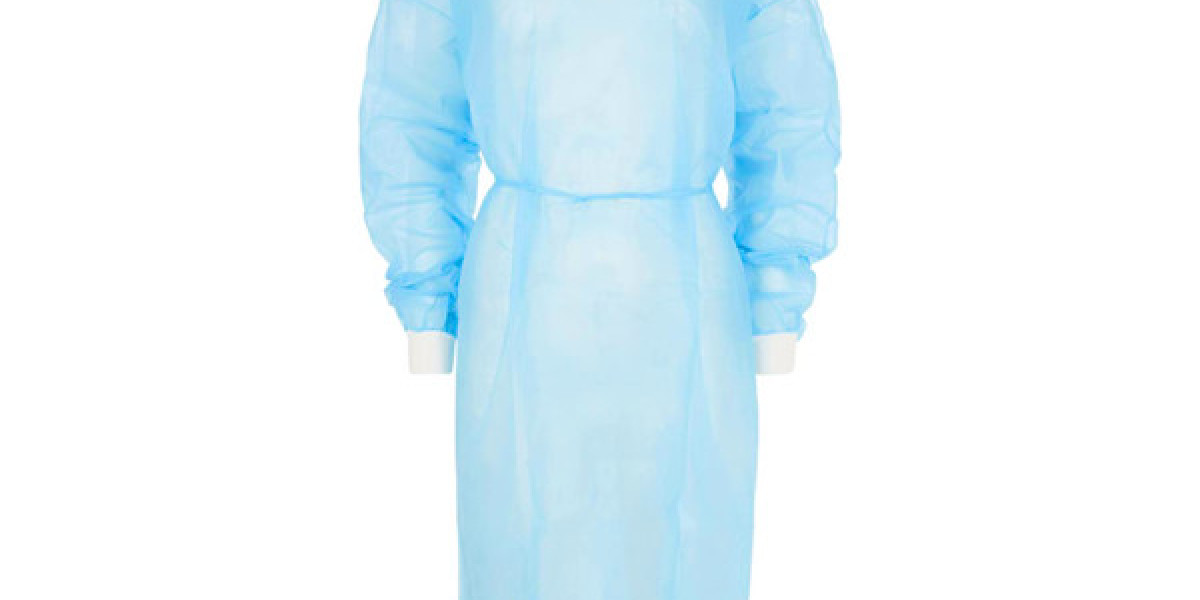
A Disposable Gown is a single-use protective garment designed to cover the wearer’s body and clothing while creating a barrier against contaminants.
Disposable gowns are commonly made from lightweight materials such as polypropylene, polyethylene, or specialised non-woven fabrics. They are designed to provide protection while allowing users to move comfortably during work.
Most disposable gowns include features such as:
Long sleeves
Elastic or knitted cuffs
Tie closures or snap buttons
Full front coverage
Lightweight breathable material
The main purpose of a disposable gown is to reduce the risk of contamination transfer between people, products, and environments.
Why Use Disposable Gowns?
Disposable gowns are important in workplaces where hygiene and safety are priorities. They provide an additional protective layer that helps prevent contaminants from reaching personal clothing or skin.
Protects Against Contamination
One of the primary benefits of disposable gowns is contamination control.
They help reduce exposure to:
Bodily fluids
Dust particles
Chemicals
Microorganisms
Workplace contaminants
This makes them essential in environments where cleanliness and safety standards must be maintained.
Supports Infection Prevention
Healthcare and medical environments rely heavily on protective clothing to reduce the spread of infections.
Disposable gowns help create a protective barrier between healthcare workers and patients, supporting infection control procedures.
They are commonly used during:
Patient examinations
Medical procedures
Cleaning activities
Laboratory work
Convenient Single-Use Protection
Disposable gowns are designed for quick and easy use.
After use, they can be removed and disposed of according to workplace procedures, eliminating the need for:
Washing
Drying
Sterilisation
Storage management
This saves time and reduces maintenance requirements.
Improves Workplace Safety
In many industries, employees face daily exposure to potential hazards.
Disposable gowns provide an additional level of protection, helping businesses create safer working environments.
Industries That Use Disposable Gowns
Disposable gowns are used across many industries where protective clothing is required.
Healthcare and Medical Facilities
Healthcare is one of the largest users of disposable gowns.
Hospitals, clinics, and medical centres use disposable gowns to protect healthcare workers and patients.
Common applications include:
Patient care
Medical examinations
Isolation areas
Cleaning procedures
Emergency response
Disposable gowns help healthcare professionals maintain hygiene standards during daily operations.
Laboratories and Research Facilities
Laboratories require controlled environments where contamination can affect results.
Disposable gowns help protect:
Research samples
Equipment
Workers
They are commonly used in:
Scientific laboratories
Testing facilities
Research centres
Pharmaceutical Industry
Pharmaceutical manufacturing requires strict contamination control.
Disposable gowns help maintain clean production environments during:
Medicine manufacturing
Packaging processes
Quality testing
They reduce the risk of external contaminants entering controlled areas.
Food Processing and Food Service
Food industries use disposable gowns to maintain hygiene during production and handling.
They are commonly used in:
Food manufacturing plants
Commercial kitchens
Food packaging facilities
Catering operations
Disposable gowns help prevent contamination from clothing and personal particles.
Cleaning and Maintenance Services
Professional cleaning teams may use disposable gowns when working in environments requiring additional protection.
Applications include:
Deep cleaning
Waste management
Sanitisation services
Industrial cleaning
Types of Disposable Gowns
Different workplaces require different levels of protection. Choosing the right type of disposable gown depends on the environment and intended use.
Standard Disposable Gowns
Standard disposable gowns provide basic protection against dirt, dust, and minor exposure risks.
They are commonly used for:
General cleaning
Basic medical activities
Visitor protection
Low-risk environments
They provide comfort and convenience for everyday protective needs.
Isolation Gowns
Isolation gowns are designed for environments where protection against fluids and contaminants is required.
They usually provide:
Full body coverage
Long sleeves
Secure closures
Fluid resistance
They are commonly used in healthcare settings.
Surgical Gowns
Surgical gowns are designed for medical procedures requiring higher protection standards.
They are made with materials that provide better fluid resistance and stronger barrier protection.
Chemical Resistant Disposable Gowns
Some industries require gowns that provide protection against chemical exposure.
These gowns are designed using specialised materials suitable for industrial environments.
Visitor Disposable Gowns
Visitor gowns are lightweight protective garments used in controlled areas.
They are commonly provided in:
Laboratories
Food facilities
Manufacturing plants
They help visitors follow workplace hygiene requirements.
Benefits of Disposable Gowns
Using quality disposable gowns provides several advantages for businesses and professionals.
Reduces Cross-Contamination Risks
Disposable gowns help prevent contaminants from transferring between environments.
This is especially important in:
Healthcare settings
Laboratories
Food production areas
Comfortable for Extended Use
Modern disposable gowns are designed with comfort in mind.
Quality gowns offer:
Lightweight construction
Breathable materials
Flexible movement
Comfortable fitting
This allows workers to perform tasks efficiently.
Easy to Wear and Remove
Disposable gowns are designed for quick application.
Features such as:
Tie closures
Elastic cuffs
Simple designs
make them easy to use during busy work environments.
Cost-Effective Protection
Disposable gowns provide affordable protection without requiring cleaning and maintenance.
Businesses save costs related to:
Laundry services
Repairs
Storage
Reusable garment management
Supports Workplace Compliance
Many industries follow strict safety and hygiene regulations.
Using appropriate protective clothing helps businesses maintain workplace standards and safety procedures.
Materials Used in Disposable Gowns
The material of a disposable gown affects comfort, protection level, and durability.
Polypropylene
Polypropylene is one of the most common materials used in disposable gowns.
Advantages include:
Lightweight design
Breathability
Affordable cost
Comfortable wear
It is widely used in healthcare and general protective applications.
Polyethylene
Polyethylene gowns provide better moisture resistance.
They are often used where protection against liquids is required.
SMS Fabric
SMS stands for Spunbond-Meltblown-Spunbond.
This material provides:
Improved barrier protection
Soft texture
Breathability
Durability
SMS gowns are commonly used in medical and professional environments.
How to Choose the Right Disposable Gown
Selecting the correct disposable gown is important to ensure proper protection and comfort.
Consider the Workplace Environment
Different industries require different protection levels.
Before choosing a gown, consider:
Exposure risks
Required protection level
Workplace regulations
Duration of use
A healthcare facility may require different gowns compared with a food production facility.
Check Protection Level
Consider whether the gown needs protection against:
Fluids
Chemicals
Dust
Biological contaminants
Choosing the correct protection level improves safety.
Choose the Right Size
A disposable gown should provide full coverage without restricting movement.
The right size should allow:
Comfortable arm movement
Proper body coverage
Secure fitting
Evaluate Material Quality
High-quality materials provide better comfort and protection.
Look for gowns with:
Strong seams
Reliable closures
Comfortable fabric
Appropriate barrier properties
How to Properly Wear a Disposable Gown
Correct usage ensures maximum protection.
Step 1: Wash or Sanitise Hands
Always clean hands before putting on protective equipment.
Step 2: Put Arms Through Sleeves
Carefully wear the gown without touching unnecessary surfaces.
Step 3: Secure the Gown
Tie or fasten the gown properly to ensure full coverage.
Step 4: Check Coverage
Make sure:
Clothing is covered
Sleeves are secure
Front coverage is complete
Proper Disposal of Disposable Gowns
Because disposable gowns are designed for single use, proper disposal is important.
Used gowns should be:
Removed carefully
Placed in appropriate waste containers
Disposed of according to workplace guidelines
Healthcare and industrial facilities may have specific disposal procedures depending on contamination risks.
Disposable Gown vs Reusable Gown
Businesses often compare disposable and reusable protective clothing options.
Disposable Gowns
Advantages:
Single-use hygiene
No washing required
Easy replacement
Lower maintenance
Disadvantages:
Creates disposable waste
Requires regular purchasing
Reusable Gowns
Advantages:
Can be washed multiple times
May reduce long-term waste
Disadvantages:
Requires cleaning
Requires maintenance
Requires proper sterilisation
The best choice depends on workplace requirements, hygiene standards, and usage frequency.
Common Mistakes When Using Disposable Gowns
Proper use is important to maintain protection.
Choosing the Wrong Protection Level
Using a gown that does not match workplace risks can reduce safety.
Incorrect Wearing
Improperly secured gowns may leave areas exposed.
Reusing Disposable Gowns
Disposable gowns should not be reused because their protective effectiveness may decrease.
Poor Storage
Unused gowns should be stored in clean and dry conditions.
Environmental Considerations of Disposable Gowns
Disposable protective clothing creates waste, which has increased interest in sustainable practices.
Businesses can reduce environmental impact by:
Using only required quantities
Choosing responsible suppliers
Following proper disposal practices
Selecting recyclable options where available
The priority should always remain workplace safety while managing waste responsibly.
Frequently Asked Questions About Disposable Gown
What is a Disposable Gown used for?
A disposable gown is used to provide a protective barrier against contaminants, fluids, particles, and workplace hazards.
Which industries use disposable gowns?
Disposable gowns are commonly used in healthcare, laboratories, pharmaceuticals, food processing, cleaning services, and manufacturing industries.
Are disposable gowns waterproof?
Some disposable gowns provide fluid resistance, while others are designed only for basic protection. The level depends on the material and design.
Can disposable gowns be reused?
No. Disposable gowns are designed for single use to maintain hygiene and protection standards.
What materials are disposable gowns made from?
Common materials include polypropylene, polyethylene, and SMS non-woven fabric.
Are disposable gowns comfortable?
Yes. Quality disposable gowns are lightweight and designed for comfortable movement during work.
How do I choose the right disposable gown?
Choose based on workplace requirements, protection level, material quality, size, and intended application.
Are disposable gowns required in healthcare?
Many healthcare environments use disposable gowns as part of infection prevention and safety procedures.
How should disposable gowns be disposed of?
Disposable gowns should be removed carefully and disposed of according to workplace waste management procedures.
Final Thoughts
A Disposable Gown is an essential protective solution for industries where hygiene, safety, and contamination control are important. From hospitals and laboratories to food production facilities and manufacturing environments, disposable gowns help protect workers, products, and customers.
Choosing the right disposable gown requires understanding workplace risks, required protection levels, material quality, and comfort needs. When used correctly, disposable gowns provide a simple, effective, and affordable way to maintain safe working environments.
For businesses and professionals who prioritise cleanliness and protection, disposable gowns remain a valuable part of modern workplace safety practices.