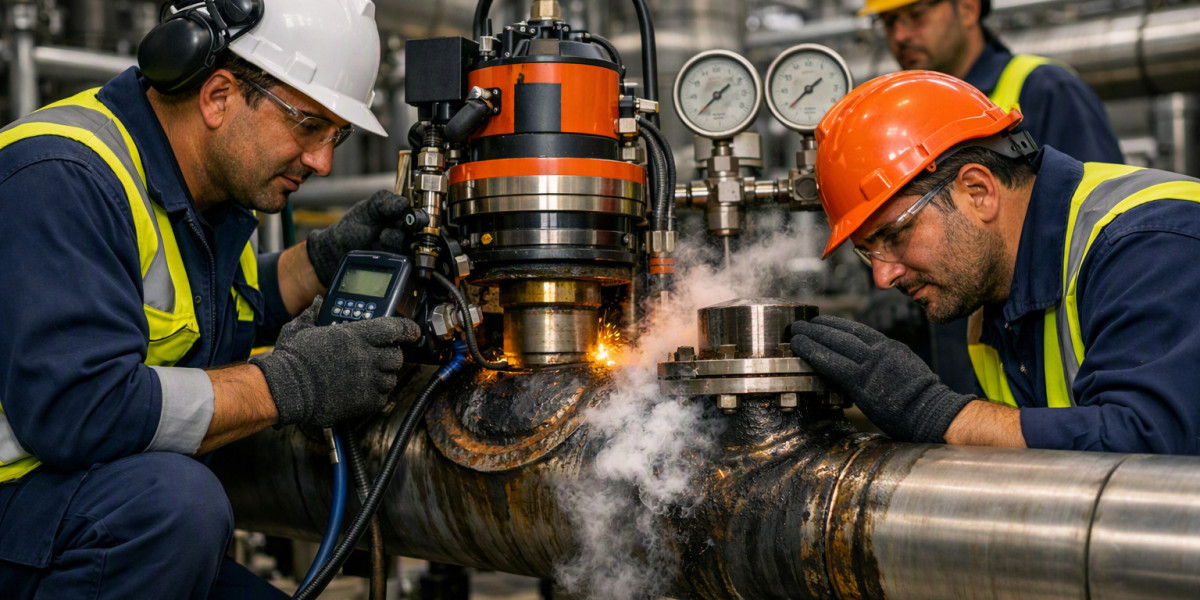

Hot tapping services in Fujairah are used when a new connection needs to be made to an existing pipeline or pressure system without fully shutting down the flow. This method is useful in industrial plants, water systems, oil and gas facilities, and other places where stopping operations can cause delays. Instead of draining or emptying the entire pipeline, hot tapping allows trained workers to create a connection while the system remains in service. This can help reduce downtime and support smoother maintenance work when the right conditions are present.
Reduced Operational Downtime
One of the main benefits of hot tapping is that it can reduce the need for a complete system shutdown. Traditional pipe work may require the pipeline to be isolated, drained, and made safe before work begins. This process can take time and may affect other operations that depend on the same system.
Hot tapping can allow certain connection work to take place while the pipeline continues to operate. This is especially useful for facilities where stopping production or services can create major delays. By reducing the length of an interruption, businesses may be able to maintain better operational continuity.
However, hot tapping is not suitable for every pipeline. The condition of the pipe, pressure, temperature, fluid type, and other technical factors must be checked before the work is planned.
Helps Maintain Continuous Service
Some facilities provide services that need to remain available for long periods. Water distribution systems, industrial processes, and utility networks may not be able to stop easily without affecting other areas.
A hot tapping system can provide a way to add a new branch connection while the existing pipeline continues to carry its normal flow. This can help reduce service interruptions and make planned system changes easier to manage.
The method is often considered when a shutdown would affect many users or interrupt an important process. Proper planning is important because the connection must be designed to work safely with the existing pipeline.
Saves Time During Pipeline Modifications
Pipeline modifications can involve several steps, including isolation, draining, cleaning, cutting, and reconnecting. Each step may add time to a maintenance project.
Hot tapping can simplify some parts of this process by allowing a connection to be made directly to a live pipeline. This may reduce the amount of preparation needed compared with methods that require complete system isolation.
The actual time saved depends on the size and condition of the pipeline, the type of connection, site conditions, and the complexity of the work. A detailed assessment is needed before deciding whether hot tapping is the right method.
Can Reduce Project Costs
A full shutdown can create indirect costs. Production may stop, workers may have to wait, and customers or other departments may experience service interruptions. In some facilities, restarting a system can also require additional time and resources.
By reducing the need for a long shutdown, hot tapping may help control some of these costs. It can also reduce the need to remove large amounts of fluid from a pipeline before work starts.
Cost savings are not automatic, as hot tapping requires specialist equipment, careful planning, and skilled workers. The total cost should be compared with other available methods based on the specific project requirements.
Reduces the Need for Pipeline Draining
Traditional pipeline work often requires the system to be emptied before cutting or making a new connection. Draining a large pipeline can take considerable time and may create additional handling and disposal requirements.
Hot tapping can reduce the need for complete pipeline draining because the work is performed on a live system under controlled conditions. This can be useful when the pipeline contains large volumes of water or other process fluids.
Before work begins, the contents of the pipeline must be properly identified. The fluid, pressure, temperature, and pipe material all play an important role in determining whether the procedure can be performed safely.
Supports Flexible System Expansion
Industrial facilities often need to expand their systems as operations change. A new branch may be needed to supply another area, install new equipment, or connect additional process lines.
Hot tapping can provide a practical method for adding a new connection to an existing pipeline without removing the entire system from service. This can make certain expansion projects easier to plan.
The new connection must be properly designed and positioned. Engineers usually consider pipe size, wall thickness, operating pressure, temperature, and the intended use of the new branch before work starts.
Helps Improve Maintenance Planning
Maintenance teams often need to balance repair work with the need to keep a facility running. A method that reduces shutdown requirements can give teams more flexibility when planning certain pipeline changes.
Hot tapping may allow selected work to be completed during scheduled maintenance periods without requiring a complete shutdown of connected systems. This can make it easier to coordinate work between different departments and reduce disruption.
Even so, the procedure requires detailed preparation. A proper inspection, risk assessment, equipment check, and work plan should be completed before the operation begins.
Importance of Proper Safety Assessment
Although hot tapping offers several benefits, it requires careful control because work is performed on an active pipeline. A mistake in planning or execution can create serious risks.
Before starting, qualified professionals should review the pipeline condition and operating details. Factors such as pipe thickness, corrosion, pressure, temperature, fluid properties, and the location of the connection should be evaluated.
The equipment used for the operation must also be suitable for the working conditions. Workers should follow established safety procedures and use appropriate protective equipment. Good planning helps ensure that the benefits of Hot tapping services in Fujairah can be achieved while keeping the work controlled and properly managed.