
Questions to Ask Before Liposuction in Riyadh: Your Essential Consultation Guide
Embarking on a body contouring journey is a powerful, highly personal decision. Whether you are aiming to eliminate stubborn love handles, sculpt your waistline, or refine your abdomen, the quality of your results depends heavily on the expertise of your medical team and the depth of your preparation.Liposuction in Riyadh is a popular body contouring procedure designed to remove stubborn fat deposits and help achieve a more sculpted and balanced body shape.
As the capital of Saudi Arabia continues to flourish as a premier global destination for advanced aesthetic medicine and world-class surgical care, patients seeking liposuction in Riyadh have access to exceptional medical talent and state-of-the-art facilities. However, walking into your initial consultation prepared with the right questions is the single most effective way to ensure your safety, clarify your expectations, and establish complete trust with your plastic surgeon.
Why the Consultation Matters
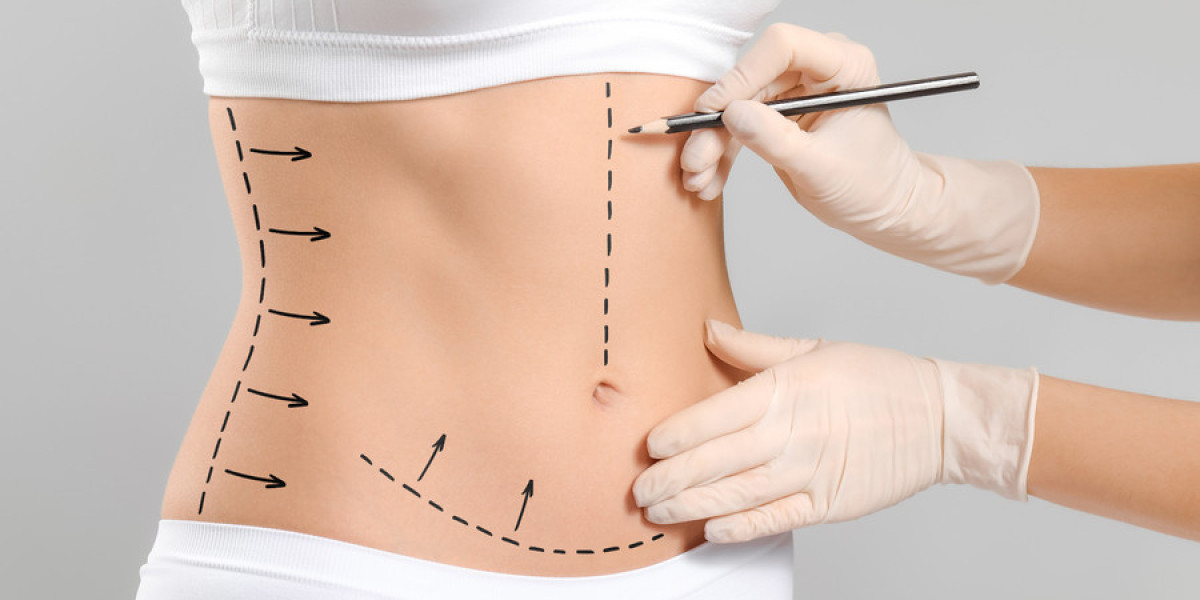
Your pre-surgical consultation is not merely an administrative appointment; it is a collaborative diagnostic and artistic dialogue. During this session, your plastic surgeon evaluates your anatomical structure, examines your skin elasticity, reviews your medical history, and listens closely to your personal aesthetic goals.
To make the most of this vital meeting, you should come prepared with a targeted list of inquiries. The following comprehensive guide outlines the essential questions to ask your surgeon before undergoing liposuction in Riyadh.
1. Questions Regarding Surgeon Credentials and Experience
Your safety is directly tied to the qualifications of the practitioner performing your procedure. Never hesitate to inquire directly about your surgeon’s professional background and specialized training.
Are you board-certified in plastic surgery? Ensure your surgeon holds recognized board certifications (such as the Saudi Board of Plastic Surgery or international equivalents) and specializes specifically in aesthetic body contouring.
How many liposuction procedures do you perform annually? Experience matters significantly in surgical arts. Ask about the surgeon's frequency and familiarity with the specific technique recommended for your body.
Can I view before-and-after photographs of patients with a similar body type to mine? Reviewing a surgeon's personal portfolio allows you to evaluate their aesthetic eye, consistency, and ability to deliver natural-looking, harmonious results.
Where will the procedure be performed? Confirm that the surgery will take place in a fully accredited hospital or surgical center equipped with advanced life-support infrastructure and strict safety standards.
2. Questions About Technique and Customization
Because modern body contouring offers multiple technological approaches, understanding which method is best suited to your anatomy is crucial.
Which liposuction technique do you recommend for my anatomy, and why? Discuss whether traditional liposuction, VASER (ultrasound-assisted) liposuction, laser-assisted lipo, or power-assisted liposuction is ideal for your target areas.
Will this procedure effectively address my concerns, or do I need a combination surgery? If you have significant skin laxity or separated muscles from pregnancy or weight fluctuations, ask if standalone liposuction will suffice or if procedures like a tummy tuck or body lift are necessary to avoid skin sagging.
Where will my micro-incisions be placed, and how noticeable will the resulting scars be? A skilled surgeon will strategically place tiny incisions within natural skin creases or shadows where they remain discreet and easy to conceal.
What volume of fat do you plan to extract, and does it fall within safe systemic limits? Understand the projected volume of fat removal to ensure your procedure adheres strictly to established patient safety guidelines.
3. Questions Regarding Safety and Risk Mitigation
Every surgical intervention carries inherent risks. A transparent, ethical surgeon will welcome questions regarding potential complications and how they are actively prevented.
What are the most common risks and potential complications associated with liposuction, and how do you prevent them? Discuss standard risks such as contour irregularities, asymmetry, fluid accumulation (seromas), or prolonged swelling.
What specific screening protocols do you use to ensure I am a healthy candidate for anesthesia and surgery? Review your complete medical history, chronic conditions, past surgeries, and any medications or herbal supplements you currently take.
What emergency protocols are in place at the surgical facility? Confirm that the clinic or hospital maintains immediate access to advanced resuscitation and emergency medical care.
4. Questions About the Recovery and Healing Timeline
Knowing what to expect during your post-operative recovery ensures you can plan your schedule, arrange assistance, and protect your surgical investment.
What does the immediate post-operative recovery period look like? Ask about expected pain levels, mobility limitations, and how long you will experience drainage from micro-incisions.
When will I be fitted for my compression garment, and how long must I wear it continuously? Understand the protocol for your medical-grade compression wear, which is vital for minimizing swelling and supporting skin retraction.
When can I safely return to work, light daily activities, and driving? Clarify your timeline for resuming a sedentary desk job versus active routines.
When is it safe to resume intense physical workouts, heavy lifting, and core training? Most surgeons require patients to pause strenuous exercise for four to six weeks to protect healing tissues.
When will I see my final results? Discuss the expected timeline for resolving deep tissue swelling and witnessing your final, refined contours (typically emerging between three to six months post-surgery).
5. Questions About Post-Operative Support and Follow-Up Care
Your relationship with your surgeon does not end when you leave the operating room. Comprehensive post-operative care is a hallmark of excellence.
What is your follow-up schedule during the recovery months? Ensure your surgeon provides a structured series of post-op check-ins to monitor your healing progress, remove sutures if necessary, and evaluate skin retraction.
Who do I contact if I experience an urgent question or unexpected symptom during the night or weekend? Verify the direct communication channels available to you or your designated caregiver in case of post-op concerns.
What is your policy if a touch-up or revision procedure is required to optimize my results? Clarify how the surgical team handles minor asymmetries or secondary adjustments should they arise.
Making the Most of Your Consultation in Riyadh
When attending your consultation in Riyadh, treat the appointment as an empowering interview. Bring a notebook to record your surgeon's answers, wear comfortable clothing that allows easy physical examination, and be completely honest about your medical history and lifestyle habits.
By asking these targeted, probing questions, you eliminate uncertainty, align your expectations with medical reality, and partner with a qualified board-certified specialist who can safely guide you toward achieving a beautifully proportioned, confident, and enduring silhouette.