
What Are the Risks of Liposuction in Riyadh? A Comprehensive Medical Guide
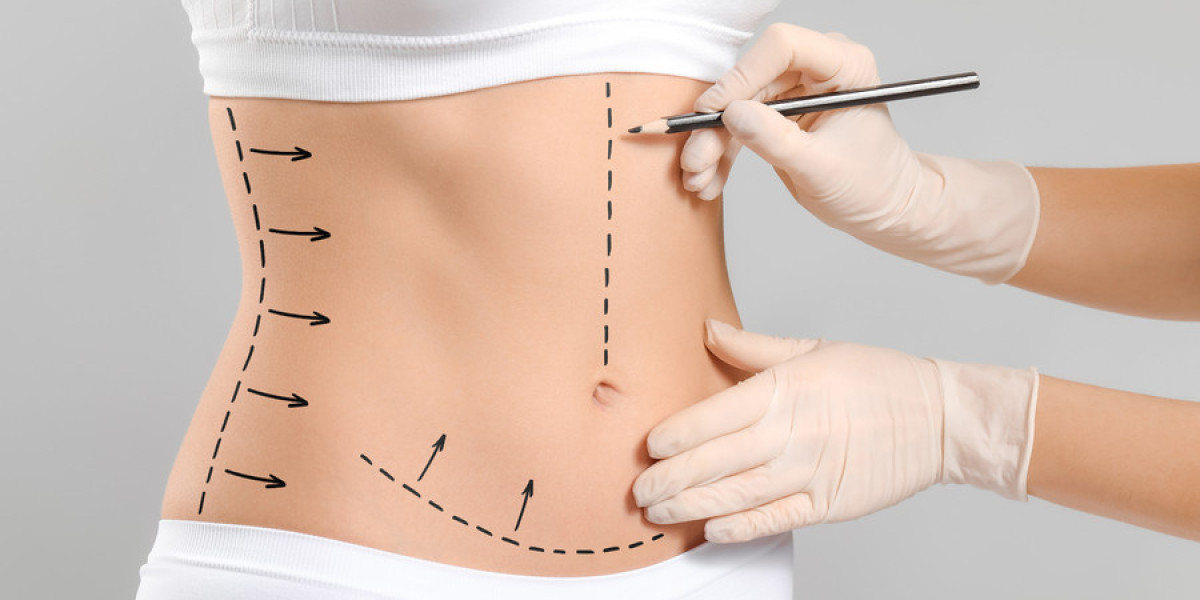
Electing to undergo body contouring surgery is a significant personal choice. Whether you are looking to refine your abdomen, eliminate stubborn love handles, or sculpt your thighs, pursuing aesthetic improvement requires careful consideration. As the capital of Saudi Arabia continues to flourish as a leading destination for world-class medical tourism and advanced plastic surgery, liposuction in Riyadh is performed daily in state-of-the-art, accredited facilities by board-certified specialists. Liposuction in Riyadh is a popular body contouring procedure designed to remove stubborn fat deposits and help achieve a more sculpted and balanced body shape.
However, like any surgical procedure involving anesthesia and tissue manipulation, liposuction carries inherent medical risks and potential complications. Understanding these risks, how qualified plastic surgeons mitigate them, and what you can do to ensure a safe recovery is vital for making an informed decision about your body goals.
1. Understanding General Surgical Risks
Before examining complications specific to fat removal, every patient must acknowledge the standard risks associated with any surgical intervention. When you consult with a plastic surgeon in Riyadh, your pre-operative evaluation will thoroughly review these foundational factors:
Anesthesia Reactions: Whether undergoing local anesthesia with sedation or general anesthesia, reactions to medications can occur. While severe complications are exceedingly rare in modern clinics equipped with advanced life-support systems, temporary grogginess, nausea, or dizziness are common immediately following the procedure.
Infection: Anytime the skin barrier is breached through micro-incisions, there is a baseline risk of bacterial contamination. Surgeons drastically minimize this risk by operating under strict sterile protocols, prescribing prophylactic antibiotics, and providing meticulous wound-care instructions.
Excessive Bleeding or Hematoma: While the tumescent technique—which infuses a specialized fluid containing epinephrine into the fat layer—constricts blood vessels and minimizes bleeding, localized pooling of blood beneath the skin can occasionally occur.
Seroma Formation: Fluid accumulation beneath the skin surface is a known post-operative response. Wearing medical-grade compression garments consistently helps eliminate empty spaces where fluid can gather.
2. Procedure-Specific Risks and Aesthetic Complications
Beyond general surgical factors, liposuction involves specific technical challenges related to fat extraction and skin retraction. When performed by an inexperienced practitioner, the risk of aesthetic complications increases. However, choosing a skilled, board-certified plastic surgeon in Riyadh significantly mitigates these concerns:
Contour Irregularities
The most common aesthetic risk of liposuction is uneven fat removal, which can leave the skin looking wavy, bumpy, asymmetric, or dimpled. This typically happens if the surgeon removes fat inconsistently or if the patient's skin fails to retract evenly. Advanced technologies—such as VASER ultrasound or laser-assisted lipo—help surgeons achieve smoother, more uniform extractions.
Skin Discoloration and Pigment Changes
The trauma associated with cannula movement can cause bruising beneath the dermis. In most cases, bruising resolves within a few weeks. However, temporary or permanent skin discoloration, hyperpigmentation, or persistent swelling can occur in rare instances, particularly in patients prone to pigment changes.
Numbness and Nerve Irritation
During fat extraction, microscopic sensory nerve endings in the subcutaneous tissue are inevitably disturbed. Patients frequently report temporary numbness, tingling, or altered sensation in the treated area. In the vast majority of cases, these nerve sensations gradually return to normal within several weeks to months as the tissue heals.
Fluid Overload or Electrolyte Imbalance
When large volumes of tumescent fluid are infused into the body, there is a theoretical risk of fluid overload or electrolyte shifts. Modern surgical safety guidelines dictate strict volume limits and precise monitoring throughout the procedure to eliminate this hazard entirely.
3. Rare and Serious Complications
While extremely uncommon, particularly when procedures are performed in accredited Riyadh hospitals adhering to rigorous international safety standards, severe complications can occur in any liposuction procedure:
Fat Embolism: This is a rare, life-threatening emergency where microscopic fat droplets enter the bloodstream and travel to the lungs or brain. It requires immediate, intensive medical intervention.
Pulmonary Embolism: Blood clots forming in the deep veins of the legs (deep vein thrombosis) can break loose and travel to the lungs. Early ambulation after surgery and the use of compression stockings are standard preventative measures.
Skin Necrosis: If blood supply to a specific patch of skin is severely compromised—frequently exacerbated by smoking or nicotine use—skin tissue can die, leading to delayed healing and prominent scarring.
4. How to Minimize Your Risks in Riyadh
Mitigating the risks of liposuction is a collaborative effort between you and your surgical team. You play an active role in ensuring your safety by taking deliberate precautions before, during, and after your procedure:
Choose a Board-Certified Plastic Surgeon
The single most effective safeguard against complications is selecting a qualified, board-certified plastic surgeon in Riyadh who specializes in body contouring and operates exclusively in accredited hospitals or surgical centers. Verify their credentials, review their previous patient galleries, and ensure they have hospital admitting privileges.
Disclose Your Full Medical History
Honesty during your initial consultation is non-negotiable. Provide your surgeon with a comprehensive medical history, including past surgeries, bleeding disorders, chronic conditions, and all prescription medications, over-the-counter drugs, and herbal supplements you take. Certain substances can thin the blood and must be halted prior to surgery.
Strictly Abstain from Nicotine
If you smoke, vape, or use nicotine replacement products, you must stop completely at least four to six weeks before and after your procedure. Nicotine constricts blood vessels, starves healing tissues of oxygen, and drastically increases your risk of skin necrosis, infection, and poor wound healing.
Follow Post-Operative Instructions Diligently
Your recovery guidelines are engineered to protect your health and optimize your results. Wearing your medical-grade compression garments continuously, attending all follow-up appointments in Riyadh, taking prescribed medications on schedule, and avoiding strenuous exercise until cleared are mandatory steps for a safe recovery.
Making an Informed Choice
Liposuction in Riyadh offers a safe, highly effective pathway to achieving your aesthetic body goals when approached with realistic expectations and thorough preparation. While risks and potential complications exist, partnering with an expert medical team and adhering strictly to safety guidelines allows you to minimize those hazards and enjoy beautifully sculpted, permanent results with confidence.