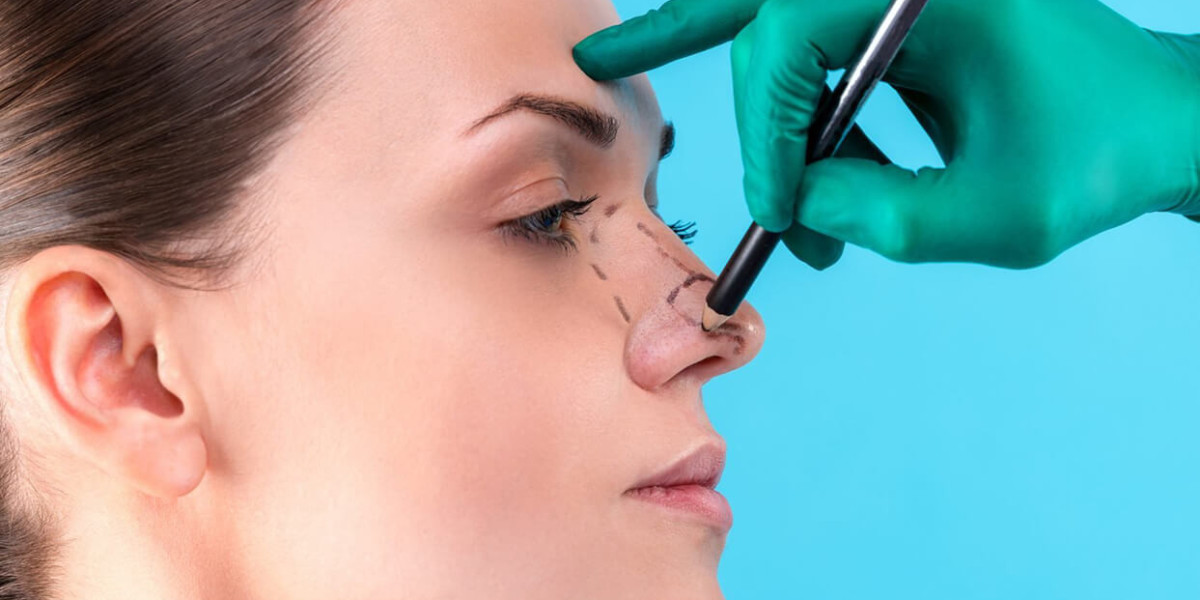

Rhinoplasty in Riyadh: Frequently Asked Recovery Questions
Undergoing a rhinoplasty is an exciting step toward achieving facial harmony, balanced proportions, and improved breathing functionality. However, for patients preparing for nose reshaping in Riyadh, the recovery phase is often accompanied by a multitude of questions and uncertainties. Because the nose is a delicate three-dimensional structure of bone, cartilage, and soft tissue, understanding how to navigate the post-operative period safely is critical for optimal healing. Rhinoplasty in Riyadh offers individuals the opportunity to enhance the appearance and function of their nose with personalized treatment options tailored to their unique facial features and aesthetic goals.
To help prospective and recovering patients in Riyadh feel confident and well-prepared, here are the most frequently asked questions about rhinoplasty recovery, answered with medical clarity and practical insight.
1. When Can I Return to Work, School, and Social Life?
One of the most common concerns for patients is how much downtime is required before resuming daily professional or social routines in Riyadh.
The Initial Social Pause: Most patients take approximately one to two weeks completely away from public engagements. During this initial window, an external plastic or metal splint protects the nasal bridge, and bruising or swelling around the eyes is typically at its most noticeable.
The Splint Removal Milestone: Around day seven, you will visit your Riyadh clinic for your primary follow-up appointment to have the external cast and non-dissolvable sutures removed. Seeing your new nose for the first time is an exciting milestone, though the skin will still look puffy and unrefined.
Returning to Public Life: By the end of the second or third week, the vast majority of gross bruising and major discoloration subsides significantly. Using gentle, surgeon-approved camouflage makeup can easily conceal any residual yellow or green tints, allowing most patients to confidently return to work, academic studies, or social outings.
2. Is Rhinoplasty Recovery Painful?
Because surgery involves reshaping internal bone and cartilage structures, prospective patients naturally worry about experiencing excruciating post-operative pain.
Managing Discomfort: Surprisingly, most patients report that recovery is far more comfortable than anticipated. While you will experience facial tightness, a dull throbbing ache, nasal pressure, and mild discomfort during the first few days, true sharp pain is relatively rare.
Medication Management: Your plastic surgeon in Riyadh will prescribe safe, effective analgesic medications to manage early discomfort. Taking these medications on schedule during the first 48 to 72 hours ensures a smooth and restful recovery period.
The Real Challenge: Most patients find that the most challenging aspects of early recovery are not physical pain, but rather the temporary inconvenience of nasal congestion—feeling as though you have a severe head cold since you must breathe through your mouth—and sleeping with your head elevated.
3. When Can I Resume Strenuous Exercise and Workouts?
Physical activity increases heart rate and blood pressure, which can force blood rushing into healing facial tissues and trigger sudden, throbbing swelling or bleeding.
The Gradual Return to Activity: You must strictly avoid heavy lifting, vigorous exercise, bending over, and high-impact sports for at least four to six weeks following your procedure.
Light Walking: Light walking can typically be resumed after the first week once your splint is removed, provided you feel rested and comfortable. However, any activity that causes you to strain, sweat heavily, or elevate your pulse must be strictly deferred until your surgeon gives you official clearance during a follow-up visit.
4. How Long Do I Have to Sleep with My Head Elevated?
Proper physical positioning is one of the most powerful tools for minimizing fluid retention and facial puffiness during early healing.
The Elevation Timeline: For at least three to four weeks following surgery, you must sleep on your back with your head elevated at a 30-to-45-degree angle.
Setting Up Your Space: Utilizing a comfortable recliner or propping yourself up with multiple firm pillows behind your back and neck prevents you from accidentally rolling onto your side or stomach during the night, protecting your vulnerable nasal bones from accidental impacts.
5. When Can I Wear Glasses Again?
Traditional eyeglasses rest directly on the bridge of the nasal bones, which can disrupt bone alignment or place undue pressure on healing tissues during the early recovery window.
The Eyewear Restriction: You must avoid resting traditional glasses or heavy sunglasses directly on the bridge of your nose for at least six weeks, or until your surgeon confirms the nasal bones have fully fused.
Practical Alternatives: Many patients transition to wearing contact lenses once eye swelling subsides. If you must wear glasses, surgeons often recommend taping lightweight frames securely to your forehead so the weight is suspended entirely above the nose, avoiding any direct contact with the healing surgical site.
6. When Will the Final Results Be Visible?
Patience is the single most important virtue during the rhinoplasty healing continuum.
Initial vs. Final Shape: While gross swelling resolves within the first month and substantial definition emerges by three months, the true architectural refinement unfolds slowly over the course of a full year or more.
The Nasal Tip: The skin and soft tissues of the nasal tip are thick and resilient, making them the absolute last area to soften and settle. Microscopic, residual swelling in the tip can take twelve to eighteen months to completely disappear, revealing the permanent, perfectly balanced contours you planned with your specialist in Riyadh.
Conclusion
Navigating the recovery process after rhinoplasty in Riyadh becomes significantly less intimidating when you know what to expect at every stage. By understanding timelines for returning to work, managing discomfort, protecting your healing nasal framework from trauma, and practicing patience, you set the stage for a smooth recovery and stunning, lifelong results.