
Introduction to Age and Dermatological Procedures
When considering a mole removal procedure, patients often focus entirely on the technique used, the size of the lesion, and post-procedure sun protection. However, a major biological variable that quietly dictates both the recovery timeline and the final aesthetic outcome is age. Human skin undergoes profound physiological changes over the decades, transitioning from a high-turnover, elastic matrix in youth to a thinner, less elastic environment in later life.
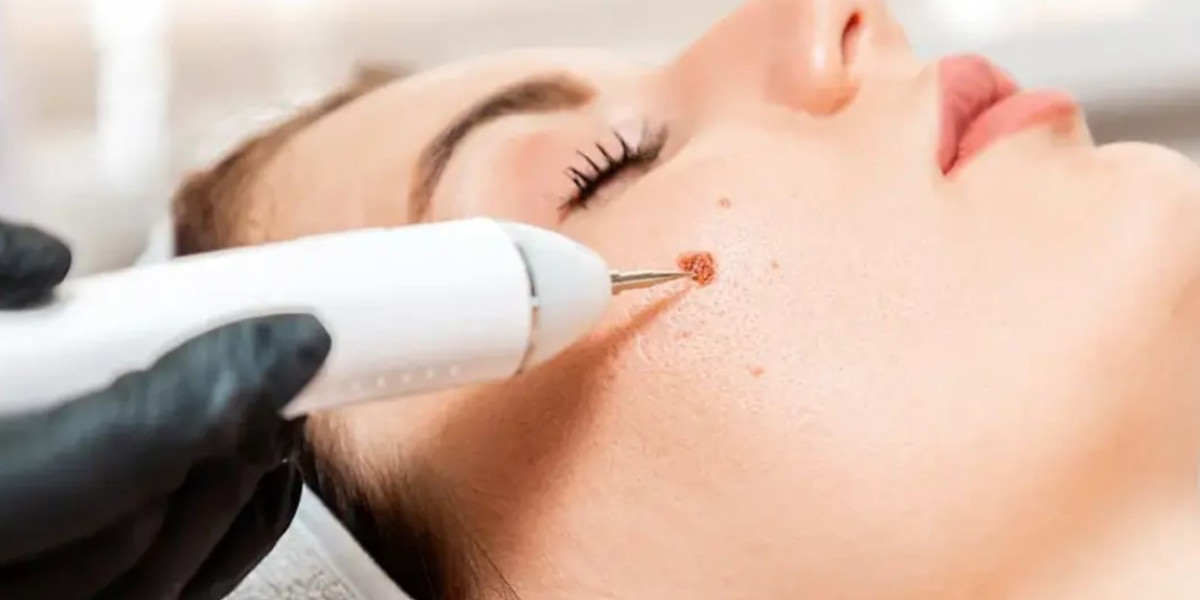
Mole Removal in Riyadh offers modern treatment options to safely remove unwanted moles while improving skin appearance and confidence.
In a dynamic clinical landscape like Riyadh, where dermatologists treat patients across a broad spectrum of ages, understanding how biological age impacts skin healing is essential. Age influences everything from how quickly blood vessels constrict during initial hemostasis to how collagen is deposited, how scabs form, and how scars ultimately mature. Examining these age-related factors provides realistic expectations for anyone planning a dermatological procedure.
1. Youthful Skin: Rapid Cell Turnover Versus Fibrotic Healing
Younger individuals—including teenagers and young adults—possess skin rich in active fibroblasts, robust vascular networks, and high levels of structural proteins like collagen and elastin. This biological profile creates distinct characteristics during mole removal recovery:
Fast Re-Epithelialization: Younger skin boasts a rapid cellular turnover rate. When a mole is shaved, vaporized with a laser, or surgically excised, the epidermal cells migrate and multiply quickly. Consequently, surface healing, scab formation, and initial wound closure happen at an accelerated pace, often closing up nicely within a couple of weeks.
The Tendency Toward Prominent Scars: Paradoxically, the high regenerative vigor of youth does not always equal an invisible scar. Younger skin often mounts an aggressive healing response driven by higher levels of cellular signaling compounds, such as stromal-derived factor 1 (SDF1) and active myofibroblasts. This vigorous biological reaction can sometimes lead to thicker, firmer, or slightly raised scars (such as hypertrophic marks) during the early maturation phases, particularly on high-tension areas of the body like the chest, back, or shoulders.
2. Mature Skin: Slower Healing Timelines and Reduced Scarring
As individuals enter middle age and later decades, the skin's physiological behavior shifts. While mature skin requires more patience during recovery, it introduces unique biological dynamics that affect the final scar appearance:
Prolonged Inflammatory and Proliferative Phases: Aging skin experiences a slower rate of cellular proliferation and reduced microvascular density. When a mole is removed, the inflammatory phase can be slightly more prolonged, and the time required for complete re-epithelialization and tissue remodeling is extended compared to younger patients. Stitches may need to stay in place slightly longer to ensure the wound edges have gained adequate mechanical strength.
Fewer Fibrotic Complications: Interestingly, biological studies on aging skin reveal that older tissue often heals with less intense fibrosis. Because the concentration of certain scarring-associated chemical factors decreases with age, older individuals frequently experience less bulky or less raised scar tissue. Once the initial healing phases conclude, mature skin often settles into a flat, subtle scar that blends quietly into the surrounding area, provided the patient maintains good overall health.
3. The Impact of Declining Skin Elasticity and Collagen
Skin elasticity and collagen density decline naturally over time due to intrinsic aging and cumulative ultraviolet exposure—a factor especially prominent in sunny climates like Riyadh.
Wound Tension and Skin Laxity: Older skin has lower elasticity and looser dermal anchorage. When a mole is removed from an area with significant skin laxity, the surrounding tissue behaves differently under tension than tight, youthful skin. Dermatologists must account for this loss of elasticity during surgical planning, utilizing precise undermining techniques or specialized suture placements to prevent the wound edges from gaping or stretching.
Collagen Remodeling and Texture: During the final maturation phase of healing, the body reorganizes collagen fibers to restore tensile strength. In mature skin, because baseline collagen production is lower, the remodeling phase requires careful nutritional support—such as adequate lean protein and vitamin C intake—to ensure the repaired site regains a smooth, stable texture without becoming depressed or atrophic.
4. Age-Related Cellular Changes and Malignancy Risks
Beyond physical healing and scarring, age plays a critical diagnostic role in how dermatologists evaluate moles prior to removal.
The Evolution of Moles Over Time: New moles appearing in childhood or young adulthood are overwhelmingly common and benign. However, the emergence of a brand-new pigmented lesion after the age of thirty or forty warrants heightened clinical scrutiny.
The Importance of Biopsy: Because the risk of atypical lesions or skin malignancies increases with age, dermatologists in Riyadh exercise extreme caution. Older patients with changing or newly developed moles are almost always directed toward full-thickness surgical excision rather than superficial laser vaporization. This guarantees that the entire cellular structure is preserved for mandatory histopathological laboratory analysis, ensuring that underlying health safety is never compromised for cosmetic convenience.
Summary of Age-Related Healing Dynamics
| Patient Age Group | Primary Healing Characteristics | Common Scar Tendencies | Clinical Considerations |
| Young Adults (Teens to 30s) | Rapid surface closure, fast cell turnover, robust blood supply. | Higher risk of early firmness or thick, raised scars due to vigorous cellular signaling. | Strict sun protection is critical to prevent immature pink scars from hyperpigmenting. |
| Mature Adults (40s and Beyond) | Slower cellular proliferation, extended remodeling phase, reduced baseline collagen. | Often heals with less intense fibrosis and flatter scars, though skin laxity requires careful surgical planning. | Higher emphasis on medical evaluation for new lesions; nutritional and moisture support needed. |
Conclusion
Age significantly influences every phase of the mole removal journey, from the initial diagnostic evaluation of the lesion to the biological speed of tissue repair and the ultimate maturation of the scar. While younger skin heals faster, it can occasionally produce more prominent or fibrotic scarring, whereas mature skin requires a more patient recovery window and careful management of skin laxity. By understanding these age-dependent physiological shifts and consulting qualified dermatologists in Riyadh, patients of all age groups can achieve safe, healthy, and aesthetically optimal outcomes.