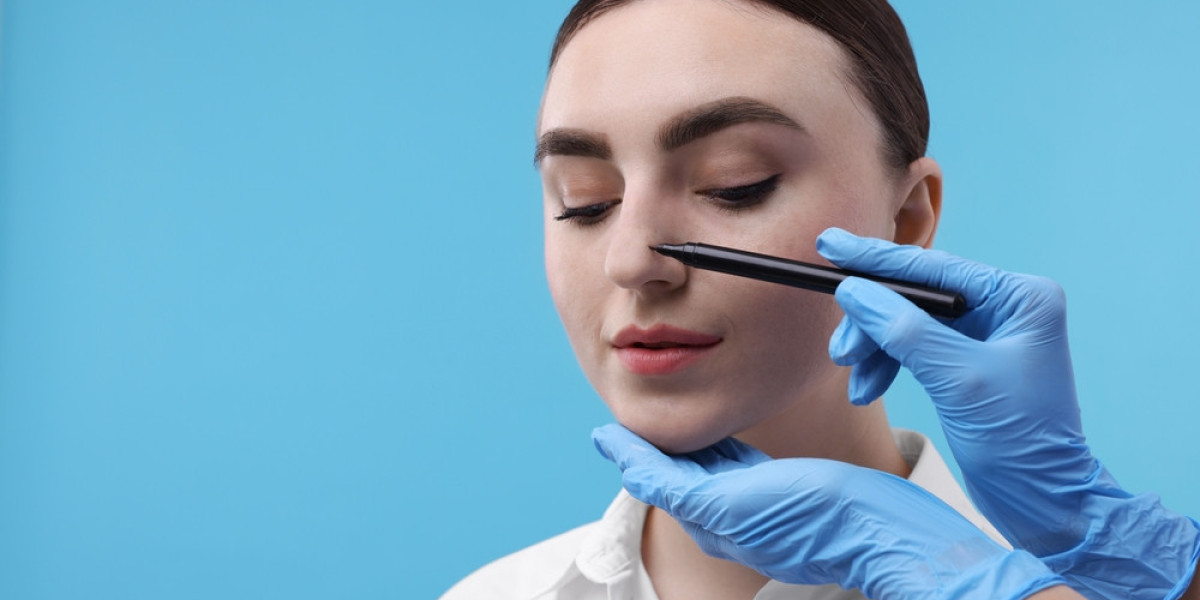

Choosing to undergo Rhinoplasty in Islamabad is a significant step toward improving the appearance and function of your nose. While the procedure itself is important, understanding the recovery journey is equally essential. Healing after rhinoplasty takes time, and each stage brings noticeable changes. Knowing what to expect can help you stay patient, follow proper aftercare, and achieve the best possible outcome.
This week-by-week guide explains the healing process, common experiences, and practical recovery tips for anyone considering or recovering from rhinoplasty.
Why the Healing Process Matters
Rhinoplasty is a delicate surgical procedure that reshapes the bone, cartilage, and soft tissues of the nose. Since every individual's body heals differently, recovery timelines can vary. However, most patients follow a similar pattern of healing.
Patience is key because although visible improvements appear within a few weeks, complete healing continues for many months.
The First Week After Surgery
The first week is usually the most challenging part of recovery. During this period, it is normal to experience:
- Swelling around the nose and eyes
- Mild bruising
- Nasal congestion
- Slight discomfort or pressure
- A protective nasal splint
Most patients spend this week resting at home. Keeping the head elevated while sleeping helps reduce swelling and improves comfort. Cold compresses around the eyes may also help minimize bruising.
Avoid blowing your nose, bending forward, or performing strenuous activities.
Week Two: Visible Improvements Begin
By the second week, many patients notice significant improvements in their appearance.
Common changes include:
- Most bruising starts fading.
- Swelling gradually decreases.
- The nasal splint is usually removed.
- Breathing becomes more comfortable.
Although the nose may still appear swollen, especially at the tip, many people feel confident returning to work, school, or social activities.
Continue protecting the nose from accidental bumps during this stage.
Weeks Three to Four: Returning to Daily Life
The third and fourth weeks often bring noticeable progress.
During this period:
- Swelling continues to reduce.
- Facial appearance becomes more natural.
- Most discomfort disappears.
- Light exercise may be resumed with medical approval.
Patients often begin appreciating the new shape of their nose, although the final definition has not yet developed.
It's still important to avoid contact sports or activities that could cause nasal injury.
One to Three Months After Rhinoplasty
The healing process continues steadily over the next few months.
Most patients experience:
- Better nasal contour
- Improved breathing if functional corrections were made
- Reduced internal swelling
- More refined nasal shape
Approximately 70–80% of swelling typically resolves during this phase. However, subtle swelling, particularly at the nasal tip, often remains.
Regular follow-up appointments allow your surgeon to monitor healing and address any concerns.
Three to Six Months: Refinement Stage
By this point, the nose begins looking more defined.
Patients may notice:
- Sharper nasal contours
- Improved symmetry
- Softer scar tissue
- Greater confidence in their appearance
Although major healing has occurred, internal tissues continue adjusting beneath the skin.
Individuals with thicker skin may require slightly longer for swelling to disappear completely.
Six Months to One Year: Final Results
Complete rhinoplasty results require patience.
During the final healing stage:
- Remaining swelling gradually disappears.
- The nasal tip becomes more refined.
- Skin adapts to the new nasal framework.
- Final shape becomes visible.
For more complex procedures or revision rhinoplasty, healing may continue for up to 18 months.
Understanding this timeline helps patients avoid unnecessary worry if small changes continue over time.
Tips to Support Faster Healing
While healing cannot be rushed, healthy habits can support recovery.
Helpful recommendations include:
- Sleep with your head elevated.
- Stay hydrated.
- Eat a balanced, nutrient-rich diet.
- Avoid smoking and alcohol during recovery.
- Protect your nose from sunlight.
- Follow every post-operative instruction carefully.
- Attend all scheduled follow-up visits.
- Avoid wearing heavy glasses until approved.
Following these guidelines can reduce complications and improve overall healing.
Factors That Affect Recovery
Several factors influence how quickly someone heals after rhinoplasty.
These include:
- Age
- Skin thickness
- Overall health
- Surgical technique
- Extent of nasal reshaping
- Following aftercare instructions
- Individual healing ability
Everyone heals differently, so comparing your recovery with others may create unnecessary stress.
Signs of Healthy Healing
Most patients experience a smooth recovery.
Normal signs include:
- Gradually decreasing swelling
- Mild numbness around the nose
- Temporary stiffness
- Improved breathing over time
- Slow improvement in nasal definition
Healing happens gradually, making small changes more noticeable over several months.
When to Contact Your Surgeon
Although complications are uncommon, seek medical advice if you experience:
- Heavy bleeding
- Persistent high fever
- Severe pain not controlled by medication
- Sudden increase in swelling
- Signs of infection
- Difficulty breathing that worsens instead of improving
Early communication helps ensure proper management of any unexpected concerns.
Frequently Asked Questions
How long does swelling last after rhinoplasty?
Most swelling improves within the first three months, but minor swelling—especially at the nasal tip—can take up to one year to fully resolve.
When can I return to work after rhinoplasty?
Many patients return to office work or school within 7–14 days, depending on their comfort level and the type of work they perform.
Can I exercise after rhinoplasty?
Light walking is usually encouraged early in recovery, while vigorous exercise and contact sports should be avoided for several weeks or until your surgeon gives approval.
Is it normal for the nose to look uneven during healing?
Yes. Swelling often occurs unevenly, making the nose appear slightly asymmetrical during the healing process. This usually improves over time.
When will I see the final results?
Most patients notice major improvements within three to six months, while the complete results become visible after about 12 months.
Final Thoughts
Healing after Rhinoplasty in Islamabad is a gradual process that requires patience and proper aftercare. Each week brings positive changes, from reduced swelling to improved nasal definition. Understanding the recovery timeline helps set realistic expectations and encourages a smoother healing journey. By following your surgeon's instructions, maintaining healthy habits, and allowing your body enough time to recover, you can enjoy natural-looking, long-lasting results with greater confidence.