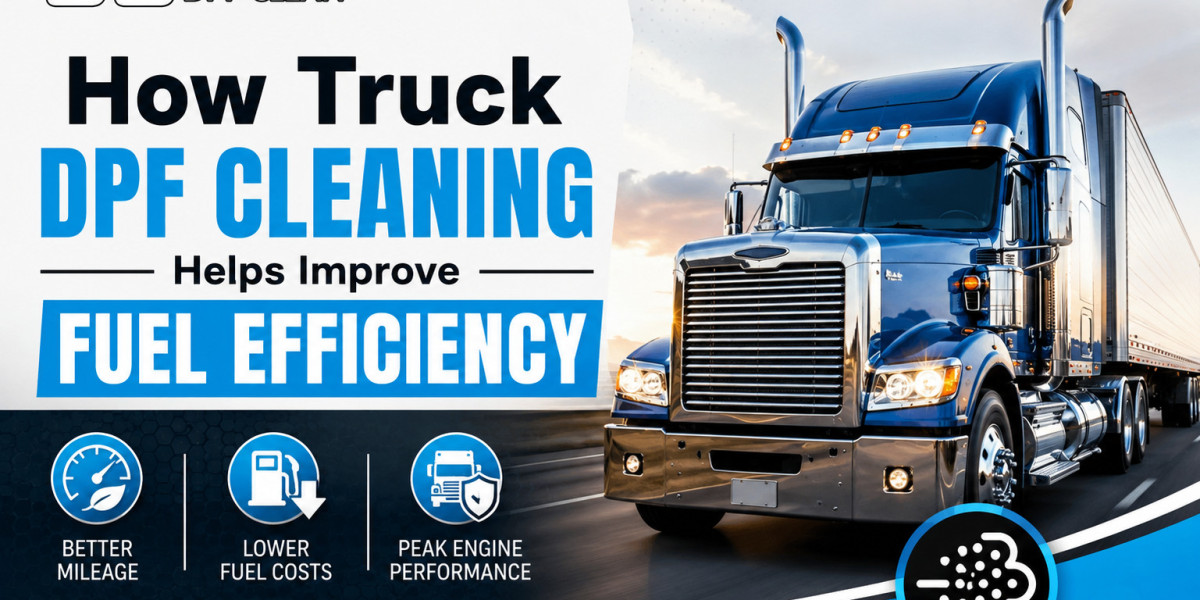

Fuel is one of the largest operating expenses for truck owners and fleet managers. Even a small drop in fuel efficiency can significantly increase monthly costs, especially for commercial vehicles that cover thousands of miles every week. While factors such as driving habits, engine condition, tire pressure, and load weight all influence fuel consumption, one often overlooked component is the Diesel Particulate Filter (DPF).
A properly functioning DPF allows the engine to breathe efficiently while reducing harmful emissions. However, when the filter becomes clogged with soot and ash, exhaust flow becomes restricted, forcing the engine to work harder and burn more fuel. This is why regular truck dpf cleaning is an essential part of diesel vehicle maintenance.
At 30 Minute DPF Clean, truck owners, fleet operators, and diesel equipment managers rely on professional DPF cleaning services to restore filter performance, improve fuel economy, and reduce unnecessary operating costs. Understanding how DPF maintenance affects fuel efficiency can help you protect your investment and keep your truck performing at its best.
Understanding the Role of a Diesel Particulate Filter
Modern diesel trucks are equipped with Diesel Particulate Filters to meet strict emissions standards. The DPF captures soot particles produced during combustion before they are released into the atmosphere.
During normal operation, the engine performs regeneration cycles that burn away much of the trapped soot. While regeneration removes combustible material, it cannot eliminate ash deposits created by engine oil additives and other non combustible contaminants.
Over time, this ash builds up inside the filter channels, gradually reducing airflow. As restrictions increase, the engine requires more energy to push exhaust gases through the system, leading to higher fuel consumption.
How a Clogged DPF Increases Fuel Consumption
Many truck owners do not realize that a blocked DPF directly impacts engine efficiency.
When exhaust gases cannot flow freely, the engine experiences increased backpressure. This creates several performance issues that ultimately reduce fuel economy.
These include:
- Increased engine workload
- Reduced combustion efficiency
- Lower engine power
- Frequent regeneration cycles
- Poor throttle response
- Reduced turbocharger efficiency
Because the engine works harder under these conditions, it consumes more diesel to produce the same level of performance.
The Connection Between Exhaust Flow and Fuel Efficiency
Efficient exhaust flow is essential for optimal engine performance.
When exhaust gases exit the engine smoothly, combustion remains balanced, turbochargers operate efficiently, and engine temperatures stay within the proper range.
A clogged DPF interrupts this process by creating excessive resistance inside the exhaust system.
Professional DPF cleaning restores airflow by removing accumulated soot and ash, allowing the engine to operate more efficiently. Improved airflow reduces engine strain and helps lower overall fuel consumption.
Warning Signs Your Truck May Need DPF Cleaning
Recognizing early symptoms can help prevent declining fuel economy and expensive repairs.
Common warning signs include:
- Reduced miles per gallon
- DPF warning light on the dashboard
- Slower acceleration
- Loss of engine power
- Frequent regeneration cycles
- Excessive exhaust backpressure
- Increased engine temperatures
- Limp mode activation
Ignoring these symptoms often leads to higher fuel costs and additional wear on critical engine components.
Why Regeneration Alone Is Not Enough
Many drivers believe that regeneration completely cleans the DPF.
In reality, regeneration burns soot but leaves ash behind.
Ash gradually fills the filter over thousands of miles and cannot be removed during normal driving or parked regeneration.
Eventually, ash buildup reaches a level where professional cleaning becomes necessary.
Without proper cleaning, fuel efficiency continues to decline even if regeneration appears to be working normally.
How Professional DPF Cleaning Improves Fuel Economy
Professional cleaning removes deep ash deposits that standard regeneration cannot eliminate.
Once airflow is restored, several improvements become noticeable.
Improved Engine Efficiency
Reduced exhaust restriction allows the engine to operate with less effort.
The engine burns fuel more effectively, producing better power while consuming less diesel.
Better Turbocharger Performance
Turbochargers depend on smooth exhaust flow.
A restricted DPF limits turbocharger efficiency, reducing boost pressure and increasing fuel usage.
Restoring airflow helps the turbocharger perform as designed.
Fewer Active Regeneration Cycles
When a DPF becomes heavily loaded, the engine initiates more frequent regeneration cycles.
These cycles consume additional fuel because extra diesel is injected to increase exhaust temperatures.
Professional cleaning reduces unnecessary regenerations, helping improve fuel economy.
Lower Engine Stress
A clean DPF reduces exhaust backpressure, allowing the engine to maintain normal operating conditions.
Lower engine stress contributes to improved combustion and better fuel efficiency over time.
Additional Benefits of Routine DPF Cleaning
Fuel savings are only one advantage of maintaining a clean DPF.
Other important benefits include:
Increased Engine Performance
Removing restrictions restores horsepower and improves acceleration.
Drivers often notice smoother throttle response and stronger pulling power.
Reduced Operating Costs
Better fuel economy lowers daily operating expenses.
Routine cleaning can also help prevent costly repairs associated with excessive exhaust restriction.
Longer DPF Life
Diesel particulate filters are expensive components.
Professional cleaning extends their lifespan by removing accumulated ash before permanent damage occurs.
Improved Reliability
Unexpected DPF failures can result in costly downtime for owner operators and commercial fleets.
Scheduled maintenance helps reduce breakdowns and keeps vehicles on the road.
Better Emissions Performance
A properly functioning DPF helps trucks continue meeting environmental regulations while maintaining efficient engine operation.
Industries That Benefit from Regular DPF Cleaning
Professional DPF maintenance is valuable across many industries that rely on diesel powered equipment.
These include:
- Long haul trucking
- Commercial transportation
- Construction equipment
- Agriculture
- Mining
- Municipal fleets
- Waste management
- Delivery services
- Industrial machinery
Any diesel vehicle operating for extended hours can benefit from routine DPF maintenance.
Why Professional Cleaning Is Better Than DIY Methods
Some truck owners attempt to clean DPF filters using compressed air, pressure washers, or homemade techniques.
Unfortunately, these methods rarely remove embedded ash and may even damage the internal filter substrate.
Professional cleaning uses specialized equipment designed specifically for diesel particulate filters.
Technicians perform inspections, flow testing, and cleaning procedures that safely restore filter performance without compromising structural integrity.
This ensures the DPF continues functioning correctly while delivering maximum fuel efficiency.
Why Choose 30 Minute DPF Clean
Choosing an experienced service provider is just as important as cleaning the filter itself.
At 30 Minute DPF Clean, advanced hydraulic cleaning technology is used to remove deep soot and ash deposits from diesel particulate filters.
Every filter undergoes inspection and testing to ensure proper airflow restoration before being returned to service.
Customers choose 30 Minute DPF Clean because of:
- Advanced hydraulic cleaning technology
- Experienced diesel emissions specialists
- Fast turnaround times
- Reliable service for heavy duty diesel vehicles
- Solutions for fleets and owner operators
- Cost effective maintenance compared to DPF replacement
Their professional cleaning process helps maximize DPF performance while improving overall engine efficiency.
Preventive Maintenance Saves Money
Waiting until a DPF becomes severely restricted often results in higher repair costs.
Routine inspections and scheduled cleaning help prevent excessive ash buildup before it affects fuel economy.
A preventive maintenance plan offers several long term advantages.
It helps:
- Improve fuel efficiency
- Reduce unexpected downtime
- Extend DPF lifespan
- Lower maintenance expenses
- Protect engine components
- Maintain emissions compliance
- Increase overall vehicle reliability
Investing in preventive maintenance is far more affordable than replacing a damaged DPF or repairing engine components affected by excessive exhaust restriction.
Ready to Improve Your Truck's Fuel Efficiency?
Fuel efficiency is essential for keeping diesel operating costs under control. While many factors influence fuel consumption, the condition of the Diesel Particulate Filter plays a much larger role than many truck owners realize. As soot and ash accumulate inside the filter, exhaust flow becomes restricted, causing the engine to work harder and consume more fuel.
Regular truck dpf cleaning restores proper airflow, improves engine efficiency, reduces regeneration frequency, and helps lower fuel costs. It also protects expensive engine components, extends DPF life, and minimizes costly downtime.
Don't let a clogged DPF reduce your truck's performance or increase your fuel expenses. Contact today to book a professional DPF cleaning service and keep your diesel engine operating at peak efficiency.
Frequently Asked Questions
1. How does truck DPF cleaning improve fuel efficiency?
Professional DPF cleaning removes soot and ash buildup that restricts exhaust flow. Restoring airflow reduces engine strain, improves combustion efficiency, and helps lower fuel consumption.
2. How often should a truck DPF be professionally cleaned?
The cleaning interval depends on mileage, operating conditions, engine health, and manufacturer recommendations. Trucks operating under heavy loads or frequent stop and go conditions may require more frequent service.
3. Can a clogged DPF increase fuel costs?
Yes. A restricted DPF increases exhaust backpressure, forcing the engine to work harder and burn more fuel to maintain performance.
4. Is regeneration enough to keep the DPF clean?
No. Regeneration removes soot but cannot eliminate ash deposits. Professional cleaning is necessary to remove accumulated ash and fully restore filter performance.
5. Why should I choose 30 Minute DPF Clean?
30 Minute DPF Clean uses advanced hydraulic cleaning technology, experienced technicians, and proven cleaning methods to restore DPF performance, improve fuel efficiency, reduce downtime, and extend the life of diesel emissions systems.













