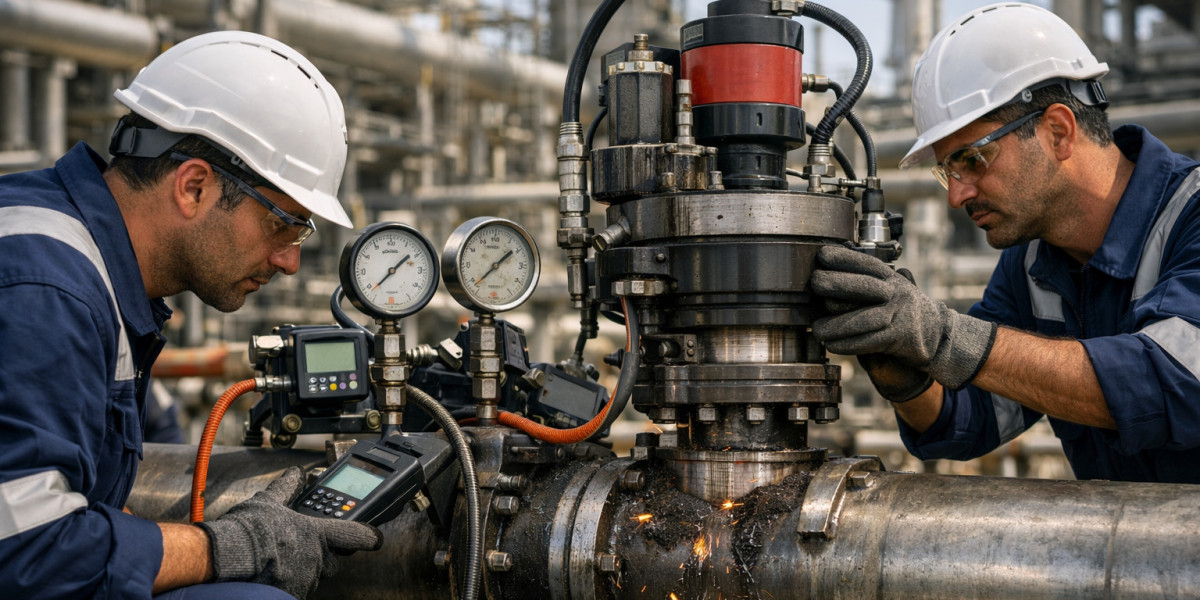

Hot tapping services in UAE allow work teams to connect to an existing pipeline while it remains in operation. Since the pipeline may carry water, oil, gas, or other fluids under pressure, pressure management is an important part of the process. Before any work starts, engineers and technicians need to understand the pipeline condition, operating pressure, fluid type, temperature, and flow. These details help them choose the correct equipment and work method. Careful planning and regular monitoring help reduce risks while the pipeline stays in service.
Understanding Pipeline Pressure Before Hot Tapping
The first step is to understand the normal working pressure of the pipeline. This information helps the team decide whether the planned hot tapping work is suitable for the existing conditions.
Engineers may review pipeline drawings, operating records, inspection reports, and previous maintenance information. They also check the pipe material, wall thickness, size, and condition. If the pipe has serious corrosion, cracks, or damage, the work may require further assessment before starting.
The pressure inside the pipeline can change during normal operations. For this reason, the team needs to understand both normal and possible pressure changes. This information is useful when selecting the tapping machine, valve, fittings, and other equipment needed for the work.
Selecting the Right Hot Tapping Equipment
The equipment used for hot tapping must be suitable for the pipeline's pressure and temperature conditions. The valve, fitting, tapping machine, and other components should have suitable pressure ratings.
The connection fitting is installed on the existing pipeline and must create a secure connection. A valve is then placed between the pipeline and the tapping equipment. This valve is important because it allows the tapping machine to be removed after the cut is completed while keeping the pipeline in service.
Equipment selection also depends on the pipe size and the type of fluid inside it. Using equipment that does not match the operating conditions can create serious problems. Therefore, pressure ratings and equipment specifications are checked before the operation begins.
Monitoring Pressure During the Operation
Pressure monitoring continues throughout the hot tapping process. Technicians use suitable gauges and monitoring equipment to observe the pipeline conditions.
The pressure should remain within the planned operating range during the work. Sudden changes can indicate a change in flow or another issue that needs attention. The team should be ready to pause the operation if conditions become different from the approved work plan.
Monitoring is not limited to pressure alone. Temperature, flow, and equipment condition may also be observed. Looking at these factors together gives the work team a better understanding of what is happening inside the pipeline.
Managing Pressure Changes and Flow
Pipeline pressure can be affected by changes in demand, pumping systems, valves, and flow conditions. Before hot tapping begins, the team should understand how these factors may affect the pipeline.
Where required, operating teams may adjust the system to keep conditions stable. This can include controlling pumps or avoiding unnecessary changes in flow during the work. The exact method depends on the pipeline system and the type of service it provides.
The goal is not always to reduce pressure to the lowest possible level. Instead, the pressure needs to remain within safe limits for the equipment and the planned operation. This requires proper coordination between the technicians carrying out the hot tap and the personnel responsible for pipeline operations.
Role of the Isolation Valve
The isolation valve is a key part of pressure management during hot tapping. Once the tapping machine completes the cut, the valve can be closed to separate the tapping equipment from the live pipeline.
This allows the equipment to be removed without opening the pipeline directly to the surrounding environment. The valve must be suitable for the pipeline pressure and properly installed before the tapping process starts.
Before work begins, the valve and connection are checked to make sure they are ready for service. Any signs of leakage or equipment problems should be addressed before continuing with the operation.
Pressure Testing Before Cutting
Pressure testing is an important part of preparing the connection. After the fitting and valve are installed, the new connection may be tested to check its condition before the pipeline is cut.
Testing helps identify leaks or weak points in the connection. The test method and pressure level depend on the equipment, pipeline service, and applicable procedures.
Only after the connection has been checked and found suitable should the tapping process move forward. This step provides an additional level of control before the cutting operation takes place.
Safety Planning and Emergency Measures
A clear work plan is needed before starting any hot tapping activity. The plan should identify the pipeline conditions, equipment requirements, pressure limits, monitoring methods, and steps to follow if conditions change.
The team should also know what to do if there is unexpected pressure movement, equipment failure, leakage, or another problem. Emergency procedures should be discussed before the work starts so that everyone understands their role.
Communication between the work team and pipeline operators is also important. Any changes in operating conditions should be shared quickly. Good communication helps the team make informed decisions during the operation.
Why Continuous Monitoring Matters
Pressure management does not end when the tapping machine starts cutting. Conditions can change during different stages of the work. Continuous monitoring helps technicians identify these changes early.
The information from pressure gauges and other monitoring equipment can be compared with the planned operating conditions. If the readings move outside the expected range, the team can stop and review the situation before continuing.
This approach is especially important for pipelines that carry hazardous or high-pressure fluids. Careful monitoring supports better control of the operation and helps protect workers, equipment, and the surrounding facility.