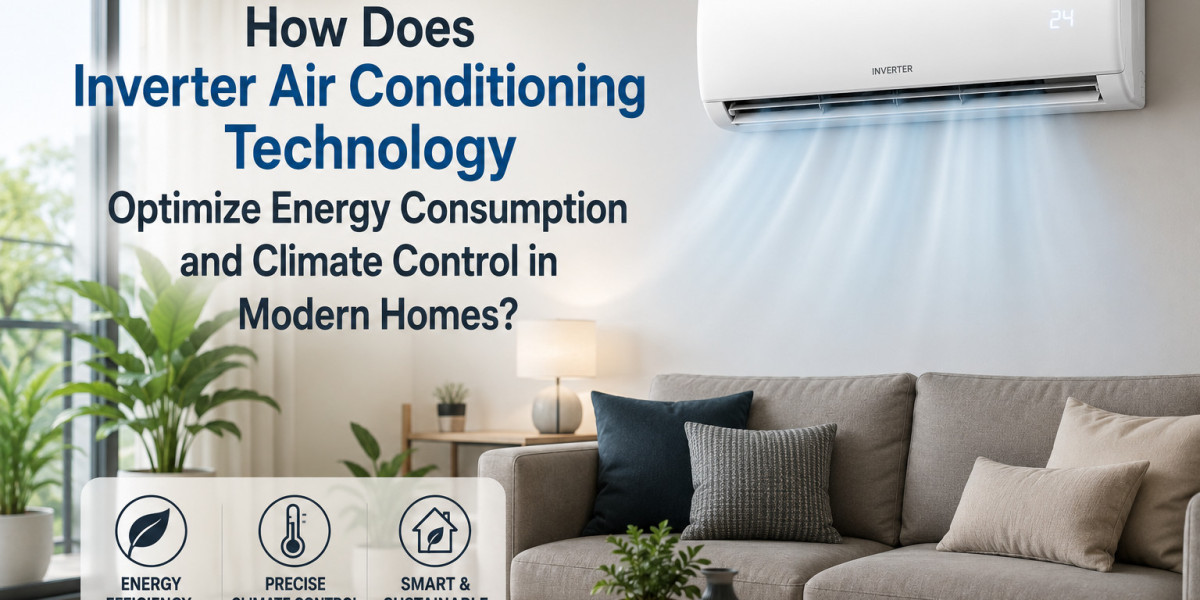

In region-specific climates where summer temperatures regularly reach extreme highs, climate control systems account for the vast majority of household electrical utility costs. Managing indoor thermal comfort requires an understanding of how residential cooling systems handle heat transfer, current surges, and variable cooling loads. For homeowners planning to upgrade their home cooling setup, evaluating specifications for certified home appliances online in Pakistan provides a practical way to compare seasonal energy efficiency ratios (SEER), tonnage capacities, and compressor designs before purchasing a new system.
At the mechanical level, modern cooling technology has shifted away from simple fixed-capacity motors toward variable-speed inverter systems that continuously adapt to ambient indoor conditions.
What Is the Mechanical Difference Between Inverter and Non-Inverter Air Conditioners?
To understand how energy is saved, it is helpful to look at how a cooling compressor manages its workload. The compressor acts as the heart of the refrigeration loop, pumping chemical refrigerant between the indoor evaporator coils and outdoor condenser coils.
· Fixed-Speed (Non-Inverter) Systems: Traditional air conditioners operate on a simple binary cycle. When the room temperature exceeds the set limit, the compressor starts abruptly at 100% capacity. Once the target temperature is reached, the compressor shuts off completely. This continuous stopping and starting draws massive electrical surge currents (inrush current) every time the motor turns back on, creating wide room temperature fluctuations and consuming excessive power.
· Variable-Speed Inverter Systems: Modern inverter air conditioners utilize a pulse-width modulation (PWM) inverter drive to alter the electrical frequency supplied to the compressor motor. Instead of turning off when the room reaches the desired temperature, the compressor smoothly slows down to a low-frequency state, drawing only a fraction of its rated wattage to hold the room temperature steady.
How Do Inverter Compressors Reduce Household Electrical Loads?
By maintaining continuous operation at variable speeds, inverter systems deliver distinct mechanical and financial benefits:
· Elimination of Inrush Current: By starting at a low frequency and gradually ramping up speed ("soft start"), inverter compressors avoid the high electrical current spikes associated with non-inverter motor startups.
· Stable Room Temperatures: Traditional units allow room temperatures to swing by 2°C to 3°C above and below the thermostat set point. Inverter units maintain room temperatures within a narrow 0.5°C range, eliminating uncomfortable hot-and-cold cycles.
· Adaptability to Low-Voltage Conditions: Inverter control boards can operate across a wide input voltage spectrum (often ranging from 150V to 260V), protecting internal components from sudden power sags and brownouts without tripping breakers.
· Extended Component Lifespan: Because the compressor avoids sudden physical stops and starts, mechanical wear on internal pistons, bearings, and valves is dramatically reduced, extending the overall service life of the outdoor unit.
How Does BTUs and Tonnage Sizing Affect System Efficiency?
Selecting an air conditioner that is improperly sized for a room compromises both thermal comfort and energy efficiency.
Room Area (Square Feet) | Recommended Capacity (Tonnage) | Approximate Cooling Output (BTUs) | Performance Consequence of Incorrect Sizing |
100 – 150 sq. ft. | 1.0 Ton | 12,000 BTU/h | Oversizing: Causes rapid cooling without proper dehumidification, leaving the room feeling damp and clammy. |
150 – 220 sq. ft. | 1.5 Ton | 18,000 BTU/h | Optimal Balance: Allows the inverter motor to reach target temperature quickly and drop to its lowest power consumption state. |
220 – 350 sq. ft. | 2.0 Ton | 24,000 BTU/h | Under sizing: Forces the compressor to run at 100% speed continuously, eliminating energy savings and accelerating wear. |
What Maintenance Protocols Keep Inverter Air Conditioners Running Efficiently?
Even the most advanced inverter air conditioner will experience a drop in cooling performance and an increase in power consumption if routine maintenance is neglected.
· Clean Air Filters Bi-Weekly: Restricted airflow across the indoor evaporator coil forces the blower fan to work harder, reducing heat absorption efficiency and causing the compressor to run at higher speeds.
· Inspect and Wash Condenser Coils Annually: Dust, dirt, and pollution accumulation on the outdoor unit's aluminum fins acts as an insulating blanket, preventing the system from releasing heat into the outside air.
· Check Refrigerant Pressures: A low refrigerant charge (caused by microscopic leaks in copper piping) forces the compressor to run continuously at maximum frequency to achieve cooling, defeating the energy-saving purpose of inverter technology.
· Keep Drainage Lines Clear: Ensure the condensate drain hose remains unobstructed to prevent water backup into the indoor unit and protect the internal fan motor from moisture damage.
Frequently Asked Questions
1. Can an inverter air conditioner run effectively on a home solar power system?
Yes. Because inverter air conditioners utilize soft-start technology that eliminates high start-up current surges, they are exceptionally well-suited for home solar power setups and battery backup inverters, which can be easily tripped by the high startup loads of traditional non-inverter units.
2. What is the difference between 3-Star, 4-Star, and 5-Star energy efficiency ratings?
Star ratings measure an air conditioner’s Seasonal Energy Efficiency Ratio (SEER). A higher star rating indicates that the system delivers more cooling output (BTUs) per watt of electricity consumed over a typical cooling season, resulting in lower monthly electricity bills.
3. How does heat pump (heating and cooling) inverter technology work in winter?
A heat pump inverter unit features a reversing valve that changes the direction of the refrigerant flow. In winter, it absorbs thermal energy from the outside air (even in cold weather) and transfers that heat indoors, offering an energy-efficient alternative to traditional gas or electric space heaters.
4. Why does an inverter air conditioner feel like it blows less cold air once the room is cool?
Once the target temperature is reached, the inverter compressor slows down and reduces the cooling output to just match the rate of heat entering the room. This gentle, continuous air output holds the room at a stable temperature without creating harsh, icy drafts.
Final Thoughts
Achieving optimal indoor comfort while managing monthly utility costs requires choosing a cooling system engineered for modern energy efficiency. From variable-speed inverter compressors that eliminate power surges to precise BTU capacity sizing, inverter cooling technology provides a reliable solution for hot summer months. When upgrading your residential cooling setup, exploring the technical specifications and seasonal energy ratings of certified kitchen appliances in Lahore ensures you select an authentic, high-performance system backed by official manufacturer warranties and professional installation support.