
Factors That Influence Breast Lift Surgery Results
Achieving an optimal, long-lasting outcome from a breast lift (mastopexy) depends on far more than just the technical skill exercised during the procedure. While selecting a board-certified plastic surgeon in Riyadh is a critical step, the final aesthetic result—its symmetry, firmness, projection, and longevity—is shaped by an interplay of biological, lifestyle, surgical, and post-operative factors. Breast lift surgery in Riyadh is a popular cosmetic procedure designed to lift and reshape sagging breasts, helping patients achieve a firmer, more youthful appearance with long-lasting results.
Understanding these key variables helps prospective candidates establish realistic expectations and actively participate in protecting their surgical investment.
1. Biological and Anatomical Factors
Every individual possesses a unique anatomical framework. Pre-existing tissue characteristics play a foundational role in dictating how tissue reshapes, heals, and resists gravity over time.
Skin Quality and Elasticity
Skin acts as the natural external sling holding the newly elevated breast mound in place. Candidates with thick, resilient skin rich in collagen and elastin typically enjoy firmer, longer-lasting results. Conversely, candidates with thin, stretched, or severely sun-damaged skin have less structural recoil. In such cases, the skin envelope may relax sooner post-surgery, allowing subtle recurrent drooping over time.
Breast Tissue Density and Volume
Breast composition varies significantly between individuals, consisting of different ratios of glandular (dense) tissue and adipose (fatty) tissue:
Dense, Glandular Breasts: Offer strong internal substance that holds a newly sculpted, conical shape well. However, because dense tissue is heavier, it exerts greater gravitational pull on internal anchor sutures.
Fatty, Deflated Breasts: Softer and easier to shape, but may lack upper-pole firmness. Candidates with predominantly fatty tissue often benefit from combining a lift with implants (augmentation-mastopexy) to maintain rounded top fullness.
Degree of Pre-Surgical Ptosis (Sagging)
The severity of initial sagging directly dictates the complexity of the surgery. Mild ptosis requires minimal skin excision (often just around the areola), resulting in subtle scar lines and predictable recovery. Severe ptosis—where the nipple sits well below the breast fold and points toward the floor—requires extensive internal tissue restructuring and longer incision patterns (such as the inverted-T or anchor lift).
2. Surgical Technique and Precision
The specific surgical approach chosen by the specialist directly impacts both immediate contour and long-term stability.
Individual Anatomy Assessment ➔ Custom Incision Selection ➔ Internal Suspension Suturing ➔ Tailored Skin DrapingSelection of Incision Pattern
Plastic surgeons tailor the incision design to the patient's specific degree of skin laxity and desired outcome:
Periareolar (Donut): Leaves a single scar around the areola; ideal for mild correction but limited in its ability to reshape heavy tissue.
Vertical (Lollipop): Removes excess skin vertically below the areola; provides excellent projection and upper-pole fullness for moderate sagging.
Inverted-T (Anchor): Extends along the natural crease under the breast; offers the highest degree of correction for severe laxity and excess skin.
Internal Suspension Techniques
A lasting mastopexy relies on internal structural support rather than relying solely on the outer skin to hold the weight of the breast. Skilled surgeons anchor the elevated glandular tissue directly to the deep pectoral fascia covering the chest wall using durable internal sutures. This internal scaffolding prevents premature dropping and relieves tension on outer scar lines.
3. Lifestyle Habits and Environmental Variables
A candidate's daily habits before and after surgery significantly influence wound healing, scar appearance, and how well the new contour resists biological aging.
Stable Weight + Zero Nicotine + Consistent Sun Protection = Maximized Surgical LongevityWeight Stability
Maintaining a steady body mass index (BMI) is one of the most critical factors governing result longevity. Significant weight gain causes the skin envelope to stretch as fat cells within the breast expand. Subsequent weight loss depletes that internal volume, leaving loose, stretched skin behind that leads to recurrent sagging. Candidates are strongly advised to reach and maintain their target weight before undergoing surgery.
Nicotine and Tobacco Use
Smoking or using nicotine products severely constricts microvascular blood vessels, drastically reducing oxygen and nutrient delivery to healing skin flaps and the nipple-areolar complex. Nicotine use dramatically increases the risk of severe surgical complications, including delayed wound closure, wide or raised scarring, and tissue necrosis. Complete cessation weeks before and after surgery is vital.
Sun Exposure and Scar Care
Riyadh's sunny climate makes UV protection an essential part of post-operative care. Exposing fresh surgical scars to sunlight within the first year can cause hyperpigmentation, turning healing lines permanently dark. Applying broad-spectrum sunscreen and keeping incision lines covered ensures scars fade into thin, faint lines.
4. Life Milestones and Hormonal Shifts
Future life events exert profound physical stress on breast tissue, altering surgical outcomes over time.
Pregnancy and Breastfeeding: Hormonal shifts during pregnancy cause breast tissue to expand significantly, stretching the surrounding skin. Post-weaning deflation often leaves the skin loose once again. For this reason, surgeons recommend completing family planning before scheduling a mastopexy.
Menopause and Aging: As estrogen levels decline during menopause, glandular tissue undergoes involution—shrinking and converting into soft fat. This natural biological shift, combined with the continuous downward pull of gravity, causes subtle structural changes over decades.
5. Post-Operative Care and Garment Adherence
The early recovery phase sets the foundation for how internal tissues settle and how smoothly skin incisions heal.
| Recovery Focus | Influence on Final Outcome |
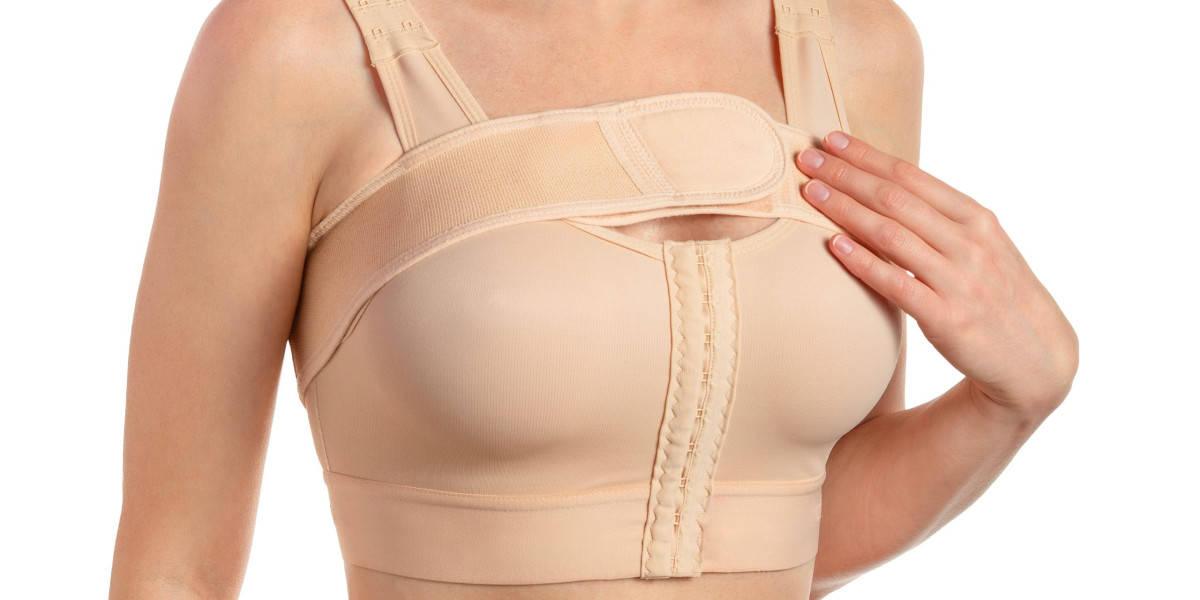
| Surgical Garment Compliance | Wearing a specialized medical support bra 24/7 for the first 4 to 6 weeks minimizes swelling, supports internal suspension sutures, and relieves stress on skin healing lines. |
| Activity Restrictions | Avoiding heavy lifting (over 5 kg), vigorous pushing, or high-impact exercise during early weeks prevents internal bleeding (hematomas) and scar widening. |
| Sleeping Position | Sleeping strictly on the back in an elevated position prevents lateral friction and asymmetry while internal tissues anchor securely to the chest wall. |
Summary of Outcome Factors
Ultimately, achieving a firm, symmetrical, and beautifully proportioned breast contour is a collaborative effort between patient and surgeon. By choosing a qualified specialist in Riyadh, adhering to preoperative preparation, protecting healing skin, and maintaining a stable lifestyle, patients can ensure their breast lift results remain vibrant and enduring for 10 to 15 years or more.