
Introduction
Bringing a dog into your home is one of the most rewarding experiences a person can have, but it is not always a walk in the park. As a dog parent in the US, you know your four-legged best friend better than anyone else. You know their favorite treats, their preferred sleeping spots, and exactly how they like their belly rubbed. However, when your usually easygoing pup starts acting out, destroying furniture, or pacing the floors at night, it can leave you feeling confused, frustrated, and deeply concerned for their well-being.
Learning how to identify the exact signs of dog anxiety is the first step toward getting your best friend back to their happy, tail-wagging self. Too often, pet parents mistake fear-based reactions for stubbornness or bad manners. The reality is that dogs experience stress much like humans do, and without the ability to use words, they rely entirely on their body language to tell us when they are freaking out. By educating yourself on what to look for, you can intervene early, save your household from unnecessary chaos, and build a stronger, more trusting bond with your pet.
What Exactly Is Dog Anxiety?
At its core, canine anxiety is the anticipation of unknown or imagined future dangers. It is important to draw a line between a normal, healthy stress response and an actual anxiety disorder. A normal reaction to stress is what prompts a dog to run away from an aggressive animal or seek shelter during a severe thunderstorm. That is a pure survival instinct. However, when a dog lives in a heightened state of worry—constantly scanning its environment for threats that do not exist—that instinct morphs into chronic anxiety.
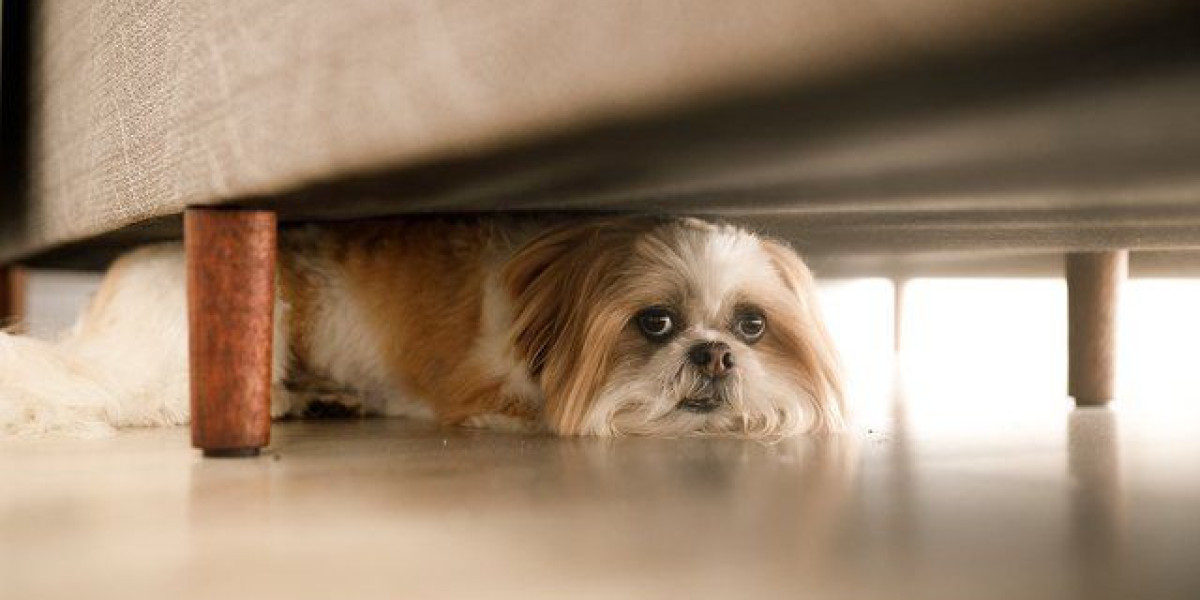
When a dog crosses the threshold from temporary fear into generalized anxiety, their nervous system gets stuck in overdrive. They might exhibit one of four primary stress responses: fight, flight, freeze, or fidget. A dog in "fight" mode might bark, lunge, or snap out of sheer panic. A dog in "flight" mode will try to bolt or hide behind the couch. "Freeze" means your dog goes completely stiff, while "fidget" can look like jumping, excessive lip-licking, or even acting overly hyper. Understanding these baseline responses is crucial for any trust-seeking dog owner who wants to provide a safe, calm environment for their pet.
The Most Common Triggers for Canine Stress
Before you can fix the problem, you need to understand where it is coming from. Dog anxiety rarely appears out of nowhere; it usually builds up layer by layer until the dog simply cannot handle the pressure anymore. There are a multitude of triggers that can set off canine stress signs, and they often vary wildly from one breed to another.
Genetics play a massive role. Some breeds, like Border Collies, German Shorthaired Pointers, and Siberian Huskies, are naturally hardwired to be high-alert and are more prone to profound fear. Lack of proper early socialization is another massive trigger. If a puppy is not exposed to different people, environments, sounds, and other animals during their crucial developmental window, the real world can seem incredibly terrifying to them as adults.
Traumatic past experiences also leave a lasting mark. Rescue dogs that have faced abandonment, neglect, or multiple rehoming situations carry an invisible baggage that makes them highly susceptible to stress. Even everyday changes can throw a wrench in your dog's mental state. A change in your work schedule, moving to a new apartment, the arrival of a new baby, or loud noises like July 4th fireworks and thunderstorms can instantly trigger an episode. Furthermore, senior dogs can experience cognitive decline, vision loss, and joint pain, all of which strip away their confidence and leave them feeling incredibly vulnerable and anxious.
The Core Physical and Behavioral Indicators
If you want to catch the problem before it spirals out of control, you have to become fluent in dog body language. This is the exact middle point of your journey as a pet parent: learning how to translate their silent screams for help. When evaluating your pup's daily behavior, looking for the specific signs of dog anxiety will ensure you are addressing the root cause rather than just punishing the symptom.
The dog anxiety symptoms usually fall into two main buckets: subtle physical cues and obvious behavioral shifts. The subtle signs are often brushed off as cute quirks, but they are actually early warning lights. Keep an eye out for rapid lip licking or tongue flicking when no food is around, as this signals deep unrest. Yawning when they are not tired is a classic calming signal dogs use to self-soothe. You might also notice a "whale eye," which is when a dog turns their head slightly away but keeps their eyes fixed on the trigger, revealing the whites of their eyes. Other physical red flags include sweaty paw prints on your hardwood floors, heavy panting in a cool room, trembling, and a tightly tucked tail.
On the other hand, anxious dog behavior can become highly disruptive. Pacing back and forth, circling the living room, or sticking to you like glue are massive indicators that your dog is unable to settle their mind. Excessive vocalization is another major symptom. While all dogs bark, a high-pitched, non-stop bark paired with a stiff body means they are highly stressed out. Destructive chewing, digging up your backyard, and having sudden bathroom accidents inside the house despite being fully potty-trained are also major indicators that your dog's stress bucket has completely overflowed.
Understanding Separation Anxiety in Detail
Perhaps the most heartbreaking and financially draining form of canine stress is separation anxiety. Separation anxiety in dogs is a specific condition where a dog exhibits extreme distress behaviors whenever they are left alone, or even when they anticipate you leaving the house. It is not just your dog being dramatic or spiteful about you going to work; it is a genuine, intense panic attack.
Dogs suffering from this condition will often start pacing, whining, and drooling the second you pick up your car keys or put on your shoes. Once you are gone, the destruction begins. They might tear up the couch cushions, scratch frantically at the front door until their paws bleed, or howl for hours on end, resulting in angry notes from your neighbors. In severe cases, they might even try to escape their crates or jump through windows, which poses a massive physical danger to the animal.
For a price-conscious pet parent, dealing with separation anxiety can feel overwhelming because of the property damage involved. However, punishing a dog for this behavior after the fact is completely ineffective and will only make their fear worse. They need routine, predictability, and to learn that being alone does not mean they have been abandoned forever.
Budget-Friendly Solutions for Calming Anxious Dogs
You do not need to immediately spend thousands of bucks on elite behaviorists to make a difference in your pet's life. Calming anxious dogs is highly achievable if you stick to proven, budget-friendly strategies and prioritize consistency over quick fixes. Your energy sets the tone for the house; if you are stressed and frantic, your dog will mirror that tension. Start by establishing a rock-solid daily routine for feeding, walks, and downtime, as predictability breeds confidence in dogs.
Exercise is one of the most effective, totally free tools in your arsenal. A tired dog is a good dog. Engaging them in cardiovascular exercise burns off the excess adrenaline that fuels their panic. Mental stimulation is equally crucial. You can create DIY puzzle toys or hide their kibble around the house to force them to use their noses. Sniffing naturally lowers a dog's heart rate and acts as a biological stress reliever.
When looking for trusted support and products without breaking the bank, turning to reliable brands makes all the difference. Incorporating resources from Pet Soul Care into your routine can provide you with the gentle, effective tools needed to manage your dog's daily wellness. Whether it is looking into durable chew toys that redirect nervous energy or exploring natural calming treats featuring ingredients like chamomile and hemp seed, finding affordable solutions is easier than ever.
Additionally, look into counterconditioning and desensitization. If your dog is terrified of the vacuum cleaner, do not force them next to it. Leave it in the room turned off and give them a high-value treat every time they look at it. Slowly, over weeks, you can move to turning it on in another room while rewarding them. It takes time, but it costs absolutely nothing but your patience.
When It Is Time to Call the Vet
While training and environmental management are incredibly powerful, sometimes behavioral modification is not enough on its own. Chronic stress does not just mess with a dog's mind; it wreaks havoc on their physical body. A dog living in a constant state of panic can develop severe gastrointestinal issues, leading to chronic diarrhea, vomiting, and a total loss of appetite.
If your dog is injuring themselves trying to escape, displaying aggressive behavior that makes you feel unsafe, or showing sudden, extreme changes in temperament, your first call should be to your veterinarian. Vets are crucial for ruling out underlying medical conditions. A dog acting aggressively out of nowhere might actually be suffering from severe joint pain, a thyroid issue, or an ear infection. If a clean bill of health is given, your vet can discuss short-term or long-term prescription anxiety medications. Medications are not a permanent crutch, but they can lower your dog's panic threshold just enough so that your behavioral training can actually start to stick.
Final Thoughts
Living with an anxious dog requires a massive amount of empathy, observation, and patience. It is an investment of your time, but seeing your once-fearful pup finally relax on the living room rug is worth every ounce of effort. By educating yourself on the nuanced physical and behavioral cues, implementing strong daily routines, and utilizing reliable, budget-friendly support systems, you can completely transform your dog's quality of life. Remember, they are not giving you a hard time; they are having a hard time. Step up as their advocate, stay calm, and guide them toward a more peaceful, confident life.