
Hair Transplant in Dammam: Factors That Affect Results
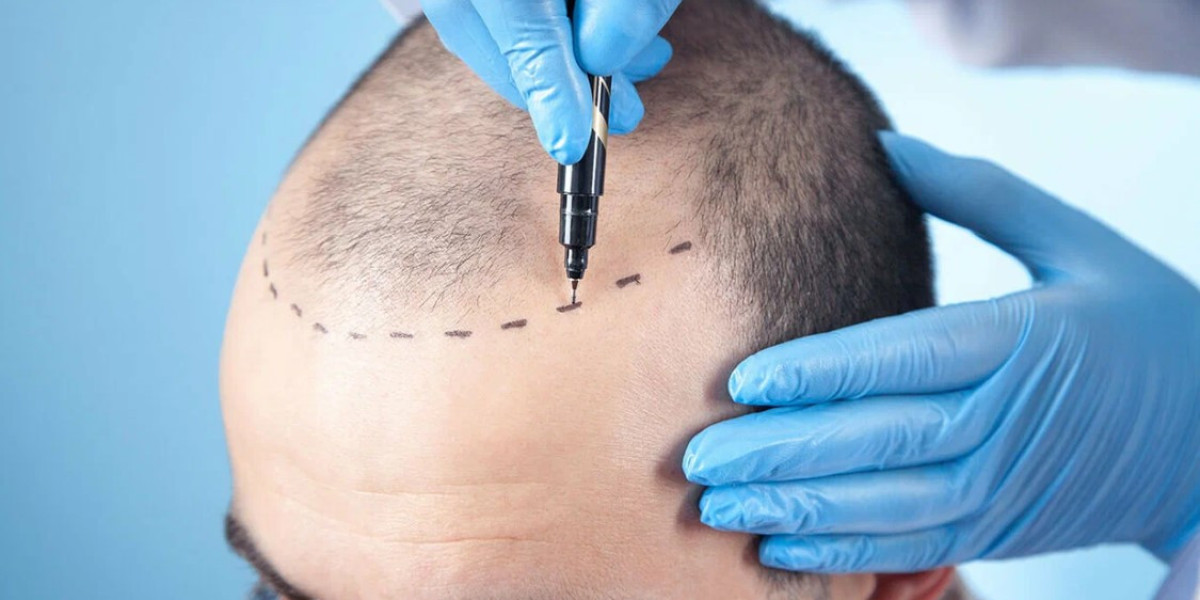
A hair transplant is widely recognized as one of the most effective, permanent solutions for hair loss. Clinics across Dammam, Khobar, and the wider Eastern Province offer access to world-class micro-surgical procedures, such as Sapphire Follicular Unit Extraction (Sapphire FUE) and Direct Hair Implantation (DHI). However, undergoing the procedure is only one part of the equation—the final aesthetic outcome, density, and naturalness depend on a combination of biological, surgical, and post-operative factors.
Hair transplant in Dammam is a popular hair restoration solution for individuals seeking natural-looking results, improved hair density, and long-term confidence through advanced transplantation techniques.
Whether you are restoring a receding hairline, dense-packing the crown, or addressing general thinning, understanding what influences your results ensures you make informed decisions every step of the way. Here is an in-depth look at the primary factors that determine the success of a hair transplant in Dammam.
1. Biological and Physical Scalp Characteristics
Your unique anatomy provides the foundation for what can be achieved surgically. No two scalps are identical, and biological traits heavily dictate visual density.
Biological Influences on Visual Density ├── Donor Area Capacity --> Total number of healthy, DHT-resistant grafts available. ├── Hair Shaft Diameter --> Thicker hair strands yield significantly greater volume per graft. ├── Hair Texture & Curl --> Wavy or curly hair covers more scalp surface area than straight hair. └── Skin-to-Hair Contrast --> Low contrast (e.g., dark hair on tan skin) creates a fuller appearance.Donor Area Quality and Density
A hair transplant does not create new hair; it redistributes healthy follicles from the donor zone (the back and sides of the head) to balding areas. If your donor density is high, the surgeon has a rich bank of grafts to harvest without over-thinning the donor site. Conversely, a sparse donor area limits the total number of grafts that can safely be moved.
Hair Shaft Thickness and Texture
Hair thickness (measured in microns) plays a massive role in visual coverage. A patient with thick, coarse hair will achieve a noticeably fuller appearance than a patient with fine, wispy hair—even if both receive the exact same number of grafts. Additionally, wavy or curly hair bends and overlaps, creating a natural shadowing effect that covers more scalp surface area.
Scalp Blood Circulation
Hair follicles are living organs that require a constant supply of oxygen and nutrients to survive after transplantation. A healthy scalp with strong micro-circulation supports rapid graft integration (vascularization). Conditions that compromise blood flow—such as severe scarring, heavy smoking history, or uncontrolled vascular issues—can lower graft survival rates.
2. Surgical Expertise and Technical Precision
The skill, experience, and artistic eye of your surgical team in Dammam are perhaps the most critical external variables influencing your outcome.
Key Technical Determinants of Surgical Success ├── Harvesting Precision --> Extracting intact grafts without transecting (damaging) the root. ├── Out-of-Body Time --> Keeping grafts hydrated and chilled in specialized storage media. ├── Channel Angle & Depth --> Matching the natural 10°–45° exit angle and direction of original hair. └── Strategic Graft Packing--> Placing single-hair grafts at the front, multi-hair grafts deeper inside.Avoiding Graft Transection
During extraction, whether using FUE or DHI micro-punches, the surgeon must align the punch precisely with the hair follicle under the skin. If the punch cuts across the root (transection), the graft is damaged and will not grow. Top specialists maintain transection rates below 3 to 5%, preserving maximum donor supply.
Proper Graft Storage
Once extracted, hair follicles are extremely vulnerable to drying out and heat shock. Experienced clinics in Dammam keep grafts submerged in chilled, nutrient-rich preservation solutions (such as hypothermic storage media) to maintain cellular viability throughout the surgery.
Artistic Hairline and Directional Design
Hair does not grow straight up at a 90-degree angle; it emerges from the scalp at acute angles ranging from 10 to 45 degrees, changing direction naturally across the hairline, mid-scalp, and crown whorl. A skilled surgeon meticulously replicates these natural angles and places delicate, single-hair grafts along the soft leading edge of the hairline, hiding multi-hair grafts behind them for volume.
3. Strict Adherence to Post-Operative Care
What happens in the 14 days immediately following your surgery is just as vital as what happens in the operating room. Newly implanted grafts take approximately 7 to 10 days to become securely anchored into the scalp tissue.
| Post-Op Variable | Positive Action | Risk if Ignored |
| Graft Protection | Sleep with head elevated at 30°–45° for 5–7 days. | Bumping the head or rubbing pillows dislodges fresh grafts. |
| Scalp Washing | Follow the clinic's gentle, dab-and-rinse protocol. | Aggressive scrubbing pulls out unanchored follicles. |
| Physical Activity | Refrain from heavy exercise for 14 days. | High blood pressure causes graft dislodgement or bleeding. |
| Sun Exposure | Keep the scalp shaded from direct UV rays for 1–2 months. | UV rays damage healing tissue and cause hyperpigmentation. |
4. Lifestyle Factors and Habits
Your overall health and daily habits directly influence cellular healing, inflammation levels, and blood flow to the scalp.
Nicotine and Smoking: Smoking cigarettes, shisha, or using vapes is one of the leading causes of sub-optimal transplant results. Nicotine constricts blood vessels, drastically reducing blood and oxygen supply to newly implanted grafts during the critical first two weeks.
Nutrition and Hydration: A balanced diet rich in protein, zinc, iron, biotin, and vitamins A, C, and E supports cell regeneration and keratin production, giving new hair the building blocks it needs to grow strong.
Stress Management: High stress levels trigger cortisol production, which can prematurely push hair follicles into a shedding phase (telogen effluvium).
5. Medical Maintenance of Non-Transplanted Hair
A hair transplant permanently addresses balding in the areas where grafts are placed because donor hair is genetically resistant to Dihydrotestosterone (DHT). However, non-transplanted native hair surrounding the transplant remains susceptible to ongoing genetic thinning.
Comprehensive Long-Term Hair Preservation ├── Surgical Restoration --> Permanently fills bald or receding zones. ├── DHT Inhibition --> Oral or topical medications prevent native hair from thinning. └── Vascular Boosters --> Minoxidil, PRP, or Mesotherapy nourish weak native roots.If a patient undergoes a successful transplant but neglects the health of their remaining original hair, progressive hair loss behind the transplant can create sparse patches over time. Specialists in Dammam frequently recommend combining surgery with FDA-approved medical treatments (such as Finasteride or Minoxidil) and adjunctive therapies like Platelet-Rich Plasma (PRP) to preserve overall density.
Summary Checklist for Maximum Results
Choose an Accredited Clinic: Ensure your surgeon is board-certified and experienced in advanced techniques like Sapphire FUE or DHI.
Stop Smoking Pre- and Post-Op: Pause nicotine use for at least 2 weeks before and after surgery to maximize graft survival.
Protect Your Grafts: Follow all first-14-day aftercare instructions, gentle washing protocols, and sleeping elevations.
Protect Native Hair: Commit to a long-term medical maintenance plan to stop surrounding hair from thinning as you age.
Be Patient: Remember that full growth takes 12 to 15 months (and up to 18 months for crown restoration).
By managing these biological, surgical, and lifestyle factors, patients in Dammam can enjoy thick, natural, and permanent hair transplant results that last a lifetime.