
Choosing the right linen fabric supplier in New York requires checking fabric weight, weave density, certifications, and sample quality before committing to bulk orders. Fabriclore Pvt Ltd offers both online and local sourcing options, with verified quality standards and a processing capacity of 20 lakh meters per month.
New York's fashion and textile industry moves fast. Whether you're running a boutique brand, managing retail production, or supplying to export houses, one wrong sourcing decision can cost you time, money, and customers. Linen fabric, in particular, demands close attention—its quality varies significantly from supplier to supplier, and the differences aren't always obvious at first glance.
This guide walks you through exactly what to look for when evaluating linen fabric quality and how to choose a supplier you can rely on—whether you buy fabric online or source locally in New York.
What Makes Linen Fabric Worth Sourcing?
Linen is derived from the flax plant and is one of the oldest natural fibers in the world. It's breathable, durable, and gets softer with each wash—making it a top choice for apparel, home textiles, and industrial applications.
But not all linen is equal. Low-grade linen breaks down quickly, feels rough against the skin, and loses its shape after a few washes. High-quality linen fabric holds its structure, maintains color consistency, and performs well across a wide range of end uses.
For buyers sourcing linen fabric in New York, understanding these differences is the first step toward building a reliable supply chain.
What Key Characteristics Should You Look for in Linen Fabric?
Weave Density and Consistency
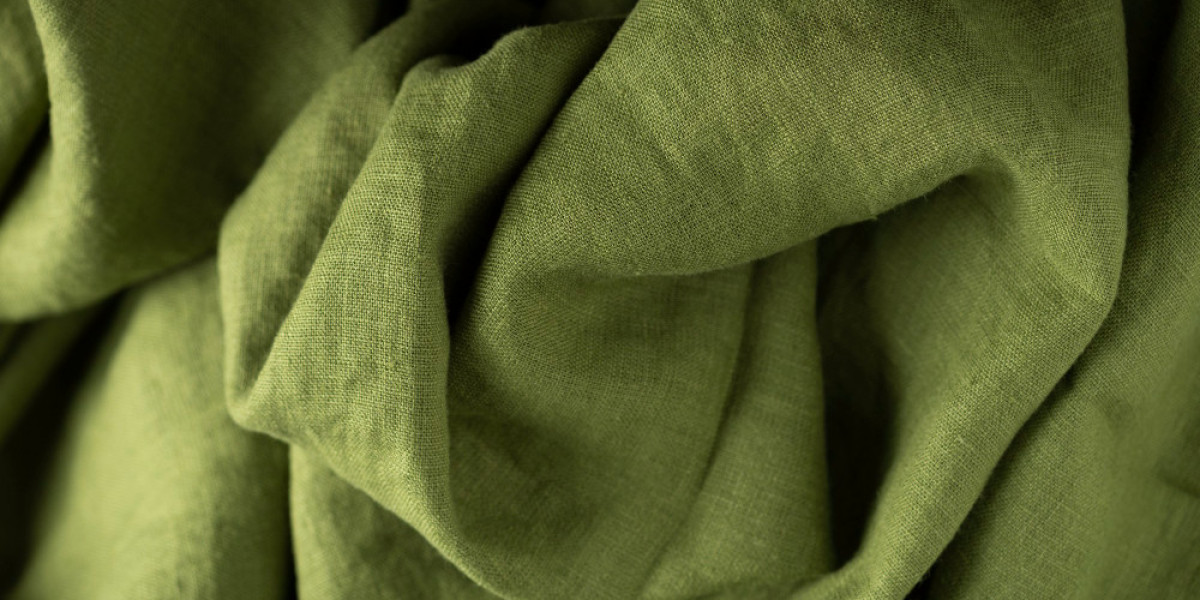
Hold the fabric up to light. A well-woven linen will have a consistent, tight weave with minimal gaps or irregular threads. Loose or uneven weaves are a sign of lower quality yarn or rushed production.
Count the threads per square inch (thread count) where possible. Higher thread counts generally indicate smoother, stronger fabric—though for linen, this varies by intended use. A coarser weave suits upholstery and industrial uses; finer weaves suit clothing and bedding.
Weight and Hand Feel
Fabric weight (measured in GSM—grams per square meter) tells you a lot about durability and application suitability. Lightweight linen (under 150 GSM) works well for summer clothing. Heavier linen (200 GSM and above) is better for curtains, bags, and upholstery.
Run the fabric through your hands. Quality linen feels firm but not stiff. It should have a natural, slightly textured feel—not plasticky or overly smooth, which can indicate synthetic blending.
Shrinkage and Colorfastness
Ask suppliers for pre-washed or pre-shrunk samples before placing bulk orders. Linen naturally shrinks, but high-quality fabric is processed to minimize this. Similarly, colorfastness matters—dip a white cloth in water and rub it against the sample. Significant color transfer is a red flag.
How Do You Assess Supplier Credibility in New York?
Not every supplier offering linen fabric in New York operates at the same standard. Here's what separates reliable suppliers from risky ones:
Certifications: Look for OEKO-TEX Standard 100, GOTS (Global Organic Textile Standard), or ISO certifications. These confirm the fabric has been tested for harmful substances and meets international quality standards.
Minimum Order Quantities (MOQ): Reputable suppliers are transparent about MOQs and offer flexible options for smaller brands without compromising quality.
Sample Policy: Any credible supplier will provide physical samples before bulk orders. No samples, no deal.
Production Transparency: Suppliers with ERP systems or digital quality tracking give you real-time visibility into production stages—reducing the risk of defective batches.
Track Record: Check for client testimonials, case studies, or ratings from other buyers in your industry. Suppliers trusted by private labels and export houses have proven consistency.
What Are the Practical Steps for Evaluating Linen Fabric Samples?
When you receive samples, don't just look at them—test them. Here's a structured approach:
Check stitching edges: Pull at the seams of any hemmed samples. Quality linen should not fray easily.
Perform a burn test: Real linen burns cleanly and smells like burning paper or grass, leaving a fine ash. Synthetic blends melt or produce black smoke.
Wet the fabric: Linen should darken evenly when wet and dry quickly without distortion. Uneven darkening suggests inconsistent fiber density.
Compare multiple samples: Always request at least two samples from different production batches to verify consistency.
Review certifications: Cross-reference supplier claims with the certifications listed on the sample card or accompanying documentation.
What Are the Benefits of Sourcing High-Quality Linen Fabric?
Cutting corners on fabric quality rarely saves money in the long run. Here's what high-quality linen delivers:
Durability: Quality linen lasts significantly longer than low-grade alternatives, reducing returns and complaints.
Better Aesthetics: Consistent weave and colorfastness mean finished products look professional and hold their appearance wash after wash.
Customer Satisfaction: End customers notice quality. Brands that source better fabric retain customers more effectively.
Reduced Production Waste: Uniform fabric quality leads to fewer defects during cutting and sewing, saving both time and material.
Where Can You Buy Linen Fabric Online and Locally in New York?
New York offers a range of sourcing options—from the Garment District's local stores to online platforms with global reach.
Local options include fabric stores and wholesale distributors in the Garment District (West 36th to 40th Street, Midtown Manhattan). These are useful for tactile evaluation, but stock can be inconsistent and scalability is limited.
Online options give you access to a broader supplier base, verified certifications, and often better pricing at scale. When you buy fabric online, prioritize platforms that offer sample ordering, detailed product specifications, and clear return policies.
Why Fabriclore Pvt Ltd Stands Out as a Linen Fabric Supplier
Fabriclore Pvt Ltd is one of the most reliable options for sourcing linen fabric in New York—both online and through direct supply partnerships. With a monthly processing capacity of 20 lakh meters and a vetted network of manufacturing units, Fabriclore operates at industrial scale without sacrificing quality control.
Key reasons buyers choose Fabriclore:
5,000+ base fabrics available for physical vetting through their Experience Studio, where design heads can finalize entire collections in one visit
Digital Quality Passports assigned to every production batch for full traceability
In-house QA teams stationed at partner mills to monitor every production stage
Low MOQ options for fashion brands and private labels that need flexibility
ERP-backed supply chain with real-time reporting—meeting 2026 sourcing standards
Trusted by 400+ private labels globally, with on-time delivery backed by technology
For brands that need to buy fabric online with confidence, Fabriclore's platform gives buyers access to customized linen options with verified production standards—without having to fly to India or manage fragmented suppliers independently.
Make the Right Call Before You Commit to a Supplier
Sourcing linen fabric in New York doesn't have to be complicated—but it does require diligence. Check the weave, test the samples, verify the certifications, and work only with suppliers who can demonstrate transparency at every production stage.
If you're ready to move beyond fragmented sourcing and work with a partner that combines scale, quality, and digital accountability, Fabriclore Pvt Ltd is built for exactly that. Whether you choose to buy fabric online or through a direct supply arrangement, the right linen starts with the right supplier.
Frequently Asked Questions
What should I check first when evaluating linen fabric quality?
Start with weave consistency and GSM weight. Hold the fabric to light to check for even threading, and confirm the weight matches your intended application. Request pre-washed samples to assess shrinkage before placing bulk orders.
How do I know if a linen fabric supplier in New York is reliable?
Look for suppliers with OEKO-TEX or GOTS certifications, a clear sample policy, and verified client references. Suppliers with ERP-backed production tracking—like Fabriclore Pvt Ltd—offer an additional layer of transparency and accountability.
Is it safe to buy linen fabric online without seeing it in person?
Yes, provided you order physical samples first. Reputable online platforms supply detailed specifications, multiple sample options, and certifications. Always test samples before committing to bulk orders.
What is the ideal GSM for linen fabric used in clothing?
For apparel, linen fabric typically ranges from 130 to 180 GSM. Lighter weights suit summer garments; heavier weights work better for structured pieces like blazers or trousers.
How can I verify if linen fabric is pure linen or a synthetic blend?
Perform a burn test. Pure linen burns cleanly, smells like burning paper, and leaves a fine ash. Synthetic blends melt, produce black smoke, or leave a hard residue.
What makes Fabriclore different from other linen fabric suppliers?
Fabriclore Pvt Ltd combines industrial-scale capacity (20 lakh meters per month) with digital quality governance, in-house QA teams at partner mills, and low MOQ flexibility—making it suitable for both large export houses and growing fashion brands.