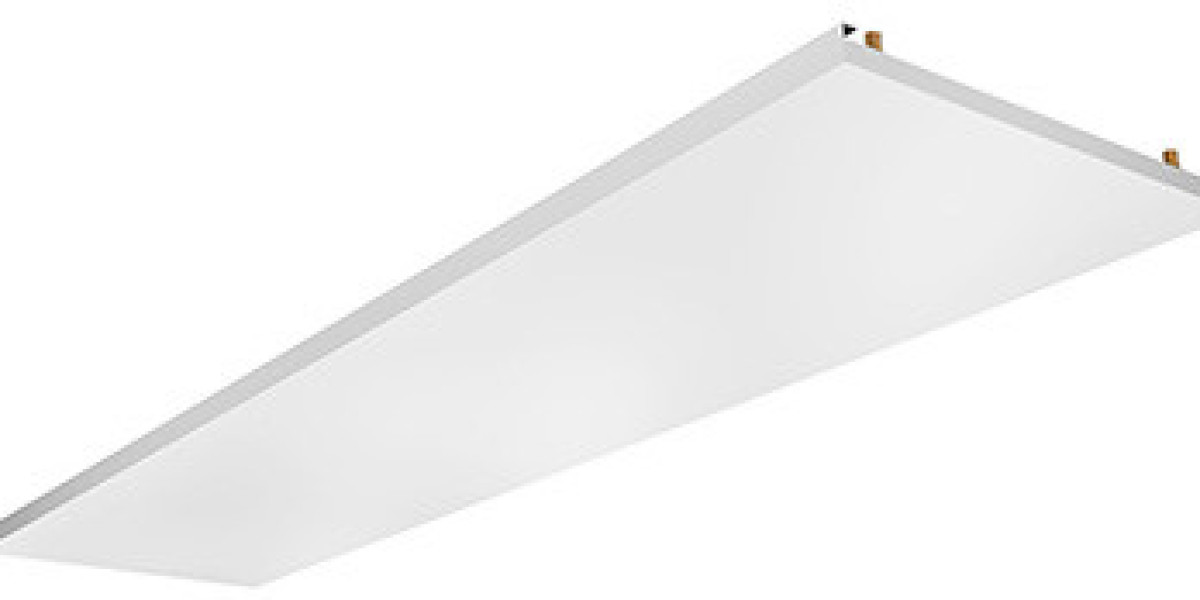

Radiant-heat represents an innovative approach to heating, emphasising efficiency and comfort. By focusing on warming surfaces and objects rather than circulating warm air, this technology ensures consistent temperatures and eliminates common issues such as draughts or uneven heating. Its versatility allows for seamless integration into various spaces, including residential and commercial environments, accommodating different architectural designs and preferences. Radiant-heat’s ability to operate quietly and efficiently further highlights its appeal, particularly for those seeking practical and sustainable heating solutions. As energy efficiency and environmental considerations gain importance, radiant heat provides a forward-thinking option for modern heating needs.
Understanding Radiant-Heat
Radiant-heat operates by directly transferring heat energy via infrared radiation, focusing on warming surfaces and objects rather than heating the air. This method stands apart from conventional heating systems, which rely on air circulation to distribute warmth. By emitting heat directly to floors, walls, and furniture, radiant-heat transforms these surfaces into secondary sources of warmth, promoting consistent temperature distribution throughout the space. This technology reduces dependency on ductwork, thereby avoiding energy losses often associated with air-based systems.
Its quiet operation, free from the noise of blowers or fans, enhances the tranquillity of the environment. Radiant-heat minimises dust and allergen movement, creating a healthier indoor atmosphere, particularly in spaces where air quality is a priority. The versatility of radiant-heating allows it to be effectively integrated into various building designs, whether in new constructions or retrofitted spaces. Unlike other systems, which often cause temperature fluctuations, radiant-heat ensures stable, evenly distributed warmth, contributing to improved indoor comfort.
Benefits of Radiant-Heat
Radiant-heat offers numerous advantages that contribute to its growing popularity as a modern heating solution. Its ability to directly warm surfaces ensures that energy is utilised efficiently, reducing unnecessary heat loss. This efficiency often translates to lower energy consumption, making it a cost-effective option over time. The uniform heat distribution provided by radiant-heat eliminates temperature variations within a space, creating a consistently warm and pleasant environment. Unlike traditional systems, which rely on moving air, radiant-heat operates without fans or blowers, resulting in silent performance that is ideal for maintaining a tranquil indoor atmosphere.
Furthermore, its design helps to reduce the movement of dust and allergens, promoting better air quality. This feature makes it particularly beneficial for individuals sensitive to airborne particles. Radiant-heat also integrates seamlessly into various architectural styles, whether used in underfloor heating, wall panels, or ceiling installations. Its adaptability ensures that it can be implemented in both new constructions and existing buildings, providing a versatile and efficient solution for diverse heating needs across residential and commercial settings.
Types of Radiant-Heating Systems
Radiant-heating systems are available in several types, each tailored to specific needs and applications. Underfloor heating is a widely favoured option, using either electric heating cables or water-filled pipes installed beneath the flooring. This method delivers warmth from the ground upward, creating a comfortable, evenly heated environment.
Ceiling-mounted systems are another option, in which radiant panels are installed to emit heat downward, making them suitable for spaces with limited floor access or specific design requirements. Wall-mounted systems offer a versatile alternative, incorporating heating elements into the walls to deliver effective warmth without occupying additional space. Hydronic systems, which utilise water as the heat transfer medium, are especially efficient for larger areas or homes with existing boiler systems.
Electric systems, meanwhile, are ideal for targeted heating or smaller spaces, given their simpler installation process. Each system type offers unique benefits, enabling adaptability across different building layouts and heating needs. With a variety of configurations available, radiant-heating systems can be customised to suit residential, commercial, or industrial settings, providing a tailored and efficient heating solution.
Radiant-Heat and Comfort
Radiant-heat significantly enhances indoor comfort by providing a gentle and consistent warmth that permeates living or working spaces. Unlike traditional forced-air systems, it avoids uneven heating or cold spots, ensuring a uniform temperature across the environment. This approach eliminates the common discomfort caused by draughts or sudden temperature changes. Furthermore, the absence of air movement minimises the circulation of airborne particles, which can be particularly beneficial for those with respiratory sensitivities or allergies.
Radiant-heat systems operate silently, contributing to a calm and serene indoor atmosphere. The ability to warm surfaces such as floors and walls ensures that spaces feel naturally cosy, even during colder months. This technology seamlessly integrates into different settings, catering to diverse architectural preferences while enhancing overall thermal comfort.
Radiant-Heat in Different Climates
Radiant-heat adapts effectively to a wide range of climate conditions, showcasing its versatility as a heating solution. In colder climates, it delivers consistent warmth by directly heating surfaces, such as floors and walls, which in turn radiate heat evenly throughout the space. This approach ensures comfortable indoor environments even during the harshest winters, without the inefficiencies often associated with conventional air-based systems.
In milder or transitional climates, radiant heat can be adjusted to provide gentle warmth, maintaining an optimal indoor temperature without overheating the space. In warmer regions, radiant-heat may serve as a supplementary system, supporting other technologies to meet specific heating needs, such as on cooler evenings or during seasonal changes. The lack of moving air reduces heat loss in spaces prone to draughts or poor insulation, making radiant-heat an energy-conscious choice across diverse conditions.
Its adaptability to various climates makes it suitable for residential, commercial, and industrial settings, providing efficient, reliable heating tailored to specific environmental needs. Furthermore, advanced control systems enable precise temperature adjustments, optimising energy use regardless of the external climate. This ability to function effectively in a variety of settings highlights the flexibility and practicality of radiant-heat systems.
Cost Considerations
The financial aspects of radiant-heating systems extend beyond the initial installation costs, which can be higher due to specialised components and the need for professional labour. However, these systems often prove to be more economical in the long term due to their energy efficiency and minimal operational expenses. By delivering heat directly to surfaces and reducing energy wastage, radiant-heating systems can significantly lower monthly utility bills. Additionally, the durability and longevity of these systems reduce the need for frequent replacements or extensive repairs, further contributing to cost savings over time.
Unlike traditional systems with numerous mechanical parts, radiant-heating relies on simpler designs, leading to fewer maintenance requirements and associated costs. This simplicity not only ensures reliable operation but also helps to minimise disruptions typically caused by system malfunctions. Furthermore, radiant-heating systems can be tailored to specific heating needs, allowing users to optimise energy use and potentially avoid unnecessary expenditure.
The adaptability of radiant-heating systems also supports a range of installation options, enabling homeowners and businesses to incorporate these solutions into various spaces without extensive modifications. This flexibility may help reduce overall expenses during retrofitting or new construction projects, making radiant-heating a practical and financially viable choice across diverse scenarios.
Environmental Impact
Radiant-heat contributes positively to environmental sustainability by promoting efficient energy use and reducing overall energy consumption. Unlike systems that rely heavily on air circulation and associated energy losses, radiant-heat directs warmth to surfaces and objects, minimising waste. This targeted approach reduces energy demand while maintaining effective indoor heating, aligning with efforts to conserve natural resources.
Radiant-heat systems can also be integrated with renewable energy sources, such as solar or geothermal power, further decreasing reliance on fossil fuels. This adaptability enhances their role in reducing greenhouse gas emissions and combating climate change. The lack of moving parts in radiant-heating systems also means reduced maintenance and replacement needs, indirectly lowering the environmental cost associated with manufacturing and waste disposal.
Furthermore, these systems improve indoor environments without the need for auxiliary equipment that can increase energy usage. Their quiet operation and ability to create a healthier indoor atmosphere by minimising the movement of allergens contribute to a more holistic, eco-conscious living or working space. This efficient and environmentally considerate technology represents an innovative approach to sustainable heating solutions across diverse applications.
Radiant-Heat Maintenance
Radiant-heat systems are designed with simplicity and durability, which significantly reduces the need for frequent maintenance. Regular care involves inspecting the heating elements or pipes to ensure they remain intact and free from damage. Any signs of wear, such as corrosion or leaks in hydronic systems, should be promptly addressed to maintain efficiency. Electrical components, including wiring and connections, may also benefit from occasional checks to prevent potential issues.
Thermostats and control systems should be tested periodically to ensure accurate temperature regulation and energy efficiency. For underfloor systems, maintaining the integrity of flooring materials is essential to avoid disruption to the heating process. Hydronic systems may require occasional flushing to remove any sediment build-up that could affect performance. Ensuring that insulation around pipes and panels remains effective can also optimise energy use. The lack of moving parts in most radiant-heat systems contributes to their reliability, minimising the likelihood of breakdowns.
Radiant-Heat in Commercial Spaces
Radiant-heat systems offer practical advantages for commercial spaces, catering to diverse industries and environments. These systems are particularly effective in creating a consistently warm atmosphere, which is essential for ensuring the comfort of employees and clients alike. In offices, radiant-heating enhances productivity by maintaining stable indoor temperatures, free from draughts or fluctuations that can disrupt focus. Retail settings also benefit from this technology, as it provides a welcoming ambience for customers without altering the space's aesthetics or layout.
Industrial facilities with large, open areas and high ceilings often face challenges with traditional heating methods. Radiant-heat systems address these concerns by delivering targeted warmth to specific zones, avoiding energy wastage in unused spaces. Warehouses and production facilities also see improved energy efficiency, as radiant-heating bypasses air circulation and directly warms surfaces where it is most needed. The quiet operation of these systems ensures minimal disruption, particularly in environments requiring concentration or noise-sensitive tasks.
Conclusion
Radiant-heat stands as an advanced heating solution, combining efficiency with adaptability to various environments. By focusing on warming surfaces directly, it achieves consistent indoor temperatures without relying on air circulation, enhancing comfort and minimising energy waste. Its quiet operation and ability to integrate into diverse architectural designs make it a versatile choice for modern spaces. Additionally, the compatibility of radiant heat with renewable energy sources further emphasises its role in promoting sustainability. As a long-lasting and reliable option, it offers practical benefits across residential, commercial, and industrial applications.
FAQs
What is radiant-heat?
Radiant-heat is a heating method that uses infrared radiation to transfer heat directly to surfaces and objects, rather than warming the surrounding air.
How does radiant heat operate?
Radiant heat works by emitting heat to floors, walls, and other surfaces, which then radiate warmth evenly throughout the space, ensuring consistent indoor temperatures.
What types of radiant-heating systems are available?
There are several types, including underfloor heating, ceiling-mounted panels, and wall-mounted systems, as well as hydronic systems that use water and electric systems suitable for smaller spaces or targeted heating.
Is radiant-heat energy efficient?
Yes, radiant-heat systems are known for their energy efficiency as they minimise heat loss by warming surfaces directly, often leading to reduced energy consumption compared to traditional air-based heating systems.
Can radiant-heat contribute to improved indoor air quality?
Indeed, radiant-heat reduces the circulation of dust and allergens by operating without fans or blowers, making it a preferred option for those prioritising cleaner indoor air.
Is radiant-heat suitable for commercial and industrial use?
Radiant-heat is highly adaptable, making it effective for commercial and industrial applications, where it provides targeted heating, consistent warmth, and energy efficiency in diverse layouts.
Related Business Listings |