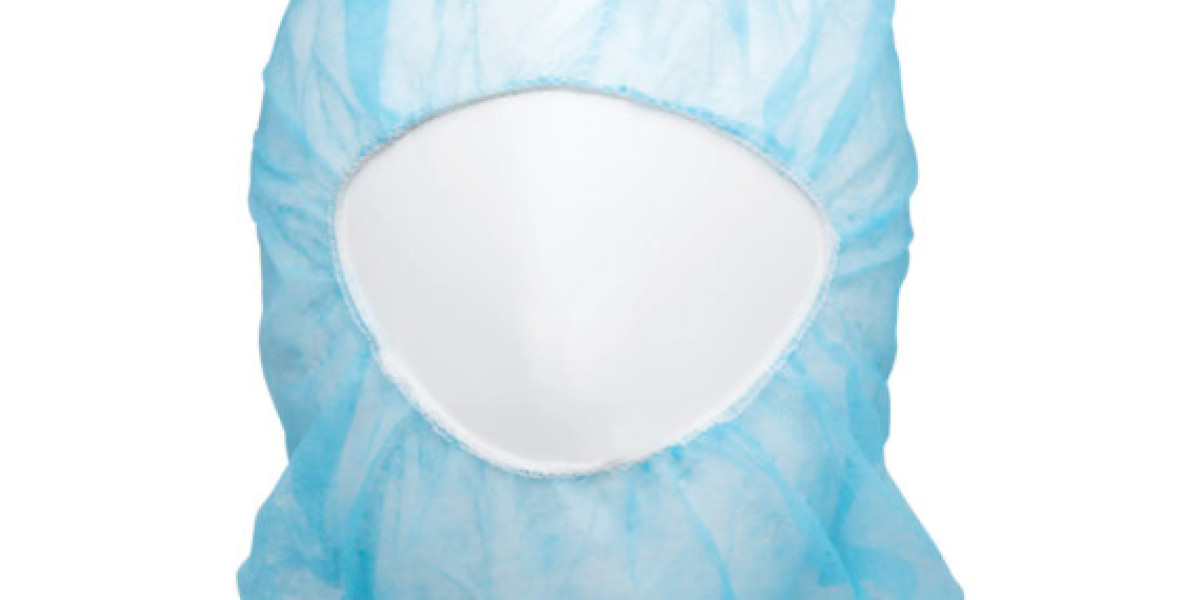

Healthcare environments require strict safety measures to protect medical professionals, patients, and visitors from exposure to infectious materials and contaminants. One of the most important protective garments used in hospitals, clinics, laboratories, and other healthcare settings is the isolation gown
An isolation gown provides a protective barrier that helps reduce the risk of contamination by covering the wearer’s clothing and exposed skin during medical procedures and patient care activities. These gowns are designed to protect healthcare workers from contact with fluids, microorganisms, and other potentially harmful substances.
With increasing awareness of infection prevention and workplace safety, isolation gowns have become an essential part of personal protective equipment (PPE) systems worldwide.
This comprehensive guide explains everything you need to know about isolation gowns, including their purpose, benefits, types, materials, applications, selection criteria, and frequently asked questions.
What Is an Isolation Gown?
An isolation gown is a protective garment worn by healthcare workers and professionals to prevent contamination from reaching their clothing and skin.
It is designed to provide coverage of:
Torso
Arms
Front body area
Wrists
Isolation gowns are commonly manufactured from materials such as:
Polypropylene
Polyester
Polyethylene coatings
SMS (Spunbond Meltblown Spunbond) fabric
The primary purpose of an isolation gown is to create a protective barrier between the wearer and potential contaminants.
These gowns are commonly used during:
Patient examinations
Medical procedures
Infection control activities
Laboratory work
Isolation precautions
Why Are Isolation Gowns Important?
Healthcare professionals often work in environments where exposure to infectious materials is possible. Without appropriate protective clothing, contaminants can transfer between patients, healthcare workers, and surfaces.
Isolation gowns help reduce these risks by providing an additional protective layer.
They support:
Infection prevention
Patient safety
Healthcare worker protection
Clean working environments
Contamination control
In hospitals and medical facilities, proper use of protective garments is a critical part of safety protocols.
Key Features of Isolation Gowns
High-quality isolation gowns are designed with specific features to provide comfort, protection, and practicality.
Full Body Coverage
Isolation gowns cover important areas of the body that may come into contact with contaminants.
They typically provide protection for:
Front torso
Arms
Shoulders
Clothing underneath
This helps reduce exposure during medical activities.
Fluid Resistance
Many isolation gowns are designed to resist penetration from liquids.
Fluid-resistant materials help protect against:
Blood splashes
Bodily fluids
Moisture exposure
Contaminated liquids
The level of protection depends on the gown material and classification.
Lightweight and Comfortable Design
Healthcare workers may wear protective garments for extended periods.
Modern isolation gowns are designed to provide:
Lightweight protection
Better mobility
Breathability
Reduced discomfort
Comfort is important because healthcare professionals need to perform tasks efficiently while wearing PPE.
Secure Closures
Isolation gowns often include secure fastening systems such as:
Tie closures
Snap buttons
Elastic cuffs
Waist ties
These features help ensure proper coverage and prevent gaps.
Disposable and Reusable Options
Isolation gowns are available in both disposable and reusable formats.
Disposable gowns provide:
Convenience
Improved hygiene
Easy replacement
Reusable gowns provide:
Long-term use
Durability
Reduced waste when properly managed
Benefits of Using Isolation Gowns
Isolation gowns provide several important benefits in healthcare and professional environments.
Improved Infection Control
One of the main purposes of isolation gowns is reducing contamination risks.
They help prevent:
Direct contact with infectious materials
Transfer of contaminants
Exposure during patient care
This supports safer healthcare practices.
Protection for Healthcare Workers
Doctors, nurses, laboratory professionals, and caregivers may encounter various hazards during their work.
Isolation gowns provide protection against:
Biological materials
Fluid exposure
Contaminated surfaces
Workplace hazards
This allows professionals to work more safely.
Enhanced Patient Safety
Isolation gowns also contribute to protecting patients.
By reducing contamination transfer, they help create cleaner environments and reduce the risk of spreading harmful microorganisms.
Convenient Disposable Protection
Disposable isolation gowns are widely used because they are easy to replace after use.
Advantages include:
Quick availability
Reduced laundering requirements
Better hygiene control
Easy disposal
This makes them practical for high-volume healthcare environments.
Cost-Effective Safety Solution
Isolation gowns provide an affordable way to improve workplace safety.
They help organisations reduce costs related to:
Healthcare-associated infections
Workplace exposure incidents
Contamination problems
Common Applications of Isolation Gowns
Isolation gowns are used across many industries where protection and hygiene are essential.
Hospitals and Medical Facilities
Hospitals are among the largest users of isolation gowns.
They are used in:
Patient rooms
Emergency departments
Intensive care units
Isolation areas
Medical procedures
They help healthcare workers maintain infection control standards.
Clinics and Doctor Offices
Medical clinics use isolation gowns during patient care activities.
Applications include:
Patient examinations
Minor procedures
Diagnostic activities
They provide additional protection for healthcare workers.
Laboratories
Laboratories require strict contamination control.
Isolation gowns are used during:
Sample handling
Research procedures
Testing activities
They help protect both workers and samples.
Pharmaceutical Industry
Pharmaceutical manufacturing requires controlled environments.
Isolation gowns support:
Clean production processes
Worker protection
Product quality control
Dental Practices
Dental professionals face exposure to droplets and fluids during procedures.
Isolation gowns help protect against:
Saliva exposure
Liquid splashes
Contamination risks
Food and Biotechnology Industries
Some non-medical industries also use isolation gowns where hygiene control is important.
Applications include:
Food processing
Biotechnology research
Clean manufacturing
Types of Isolation Gowns
Different environments require different levels of protection.
Disposable Isolation Gowns
Disposable gowns are designed for single-use applications.
They are commonly used because they provide:
Quick replacement
Improved hygiene
Reduced contamination risks
They are popular in hospitals and high-risk environments.
Reusable Isolation Gowns
Reusable gowns are manufactured from durable materials designed for repeated use.
Benefits include:
Longer lifespan
Reduced waste
Cost efficiency over time
They require proper cleaning and maintenance.
Fluid-Resistant Isolation Gowns
These gowns are designed for environments where exposure to liquids is possible.
They provide improved protection against:
Fluid splashes
Moisture penetration
Contamination risks
Surgical Isolation Gowns
Surgical gowns provide higher levels of protection for medical procedures.
They are designed for situations requiring enhanced barrier performance.
SMS Isolation Gowns
SMS fabric is widely used because it provides a balance of:
Protection
Breathability
Comfort
Durability
SMS gowns are commonly used in healthcare settings.
Isolation Gown Materials
The material used in an isolation gown affects its performance.
Polypropylene
Polypropylene gowns are lightweight and affordable.
Advantages include:
Good breathability
Comfortable wear
Cost efficiency
They are suitable for general protection.
SMS Fabric
SMS material combines multiple layers to improve protection.
Benefits include:
Better fluid resistance
Increased strength
Improved comfort
Polyethylene-Coated Materials
These materials provide enhanced moisture protection.
They are suitable for environments requiring stronger fluid resistance.
How to Choose the Right Isolation Gown
Selecting the right isolation gown depends on workplace requirements and risk levels.
Consider Protection Requirements
Evaluate:
Type of exposure
Fluid risk
Duration of use
Workplace environment
Higher-risk environments require stronger protective materials.
Choose the Correct Size
Proper sizing improves:
Comfort
Mobility
Coverage
A poorly fitting gown may reduce effectiveness.
Evaluate Material Quality
Consider:
Durability
Breathability
Fluid resistance
Comfort
Quality materials provide better protection.
Check Safety Standards
Healthcare organisations should choose gowns that meet relevant safety and performance standards.
Consider Disposable vs Reusable Options
The choice depends on:
Usage frequency
Infection control requirements
Budget
Environmental goals
Isolation Gown vs Lab Coat: What Is the Difference?
Many people confuse isolation gowns with traditional lab coats, but they serve different purposes.
Isolation Gowns
Isolation gowns are designed for:
Infection prevention
Fluid protection
Medical procedures
Patient care
They usually provide more coverage.
Lab Coats
Lab coats are designed mainly for:
Laboratory work
Basic contamination protection
Clothing protection
The correct choice depends on the workplace environment.
Proper Use of Isolation Gowns
Correct usage ensures maximum protection.
Follow these steps:
Select the correct size
Wear the gown before entering contaminated areas
Secure all closures properly
Avoid touching contaminated surfaces unnecessarily
Remove and dispose of gowns correctly
Training employees on proper PPE procedures improves safety.
Storage and Disposal of Isolation Gowns
Proper storage maintains product quality.
Best practices include:
Store in clean, dry areas
Protect packaging from damage
Check product condition before use
Follow disposal procedures
Disposable gowns should be discarded according to workplace safety guidelines.
Common Mistakes When Using Isolation Gowns
Avoiding mistakes improves protection.
Choosing the Wrong Protection Level
Not all gowns provide the same level of protection.
Select based on the workplace risk.
Incorrect Wearing Method
Improper use may leave areas exposed.
Reusing Disposable Gowns
Single-use gowns should not be reused unless approved by the manufacturer.
Poor Inventory Management
Healthcare facilities should maintain enough stock to avoid shortages.
Frequently Asked Questions About Isolation Gowns
What is an isolation gown used for?
An isolation gown is used to protect healthcare workers and professionals from exposure to infectious materials, fluids, and contaminants.
Who uses isolation gowns?
They are used by doctors, nurses, laboratory workers, dental professionals, pharmaceutical employees, and healthcare staff.
Are isolation gowns disposable?
Many isolation gowns are disposable, although reusable options are also available.
Are isolation gowns waterproof?
Some isolation gowns provide fluid resistance, but complete waterproof protection depends on the material and design.
What materials are isolation gowns made from?
Common materials include polypropylene, SMS fabric, polyester, and polyethylene-coated materials.
How do I choose the right isolation gown?
Choose based on protection requirements, material quality, fit, workplace environment, and safety standards.
Can isolation gowns prevent infection?
Isolation gowns help reduce contamination risks but should be used as part of a complete infection prevention system.
How should isolation gowns be disposed of?
Disposable gowns should be disposed of according to healthcare facility guidelines and safety procedures.
Conclusion
An isolation gown is an essential protective garment used in healthcare, laboratories, pharmaceutical facilities, and other environments where contamination control is important.
By creating a protective barrier between workers and potential hazards, isolation gowns help improve infection prevention, protect professionals, and maintain safer working environments.
Choosing the right isolation gown depends on factors such as material, protection level, comfort, and workplace requirements. Whether disposable or reusable, high-quality isolation gowns remain a critical part of modern personal protective equipment systems.
As safety standards continue to evolve, isolation gowns will continue to play an important role in protecting healthcare workers, patients, and organisations worldwide.