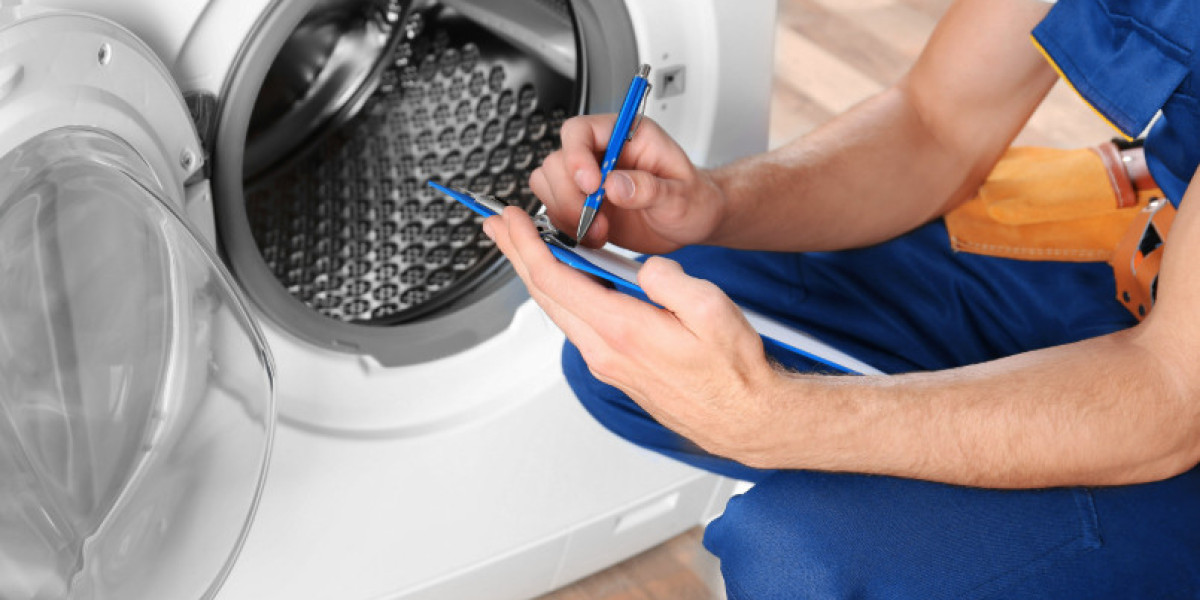

A dryer that suddenly stops working can disrupt your daily routine and leave you with piles of damp laundry. While some problems are minor, others require professional attention to restore safe and efficient operation. If you are searching for dryer repair services in Pompano Beach FL, understanding the most common causes of dryer failure can help you identify the issue early and prevent further damage. This guide explains the top reasons dryers stop working, what signs to watch for, and how proper maintenance can extend the life of your appliance.
Power Supply Problems
One of the most common reasons a dryer suddenly stops working is a power issue. Electric dryers require a steady electrical connection, while gas dryers also depend on electricity for controls and ignition.
Common power-related problems include:
Tripped Circuit Breaker
A circuit breaker may trip after a power surge or electrical overload. Resetting the breaker may restore power, but if it continues to trip, there could be a larger electrical issue that needs inspection.
Damaged Power Cord
A worn or damaged power cord can prevent the dryer from receiving electricity. Frayed wires or loose connections should be addressed immediately for safety reasons.
Faulty Outlet
Sometimes the issue is not the dryer but the electrical outlet itself. Testing another appliance in the same outlet can help determine whether the outlet is functioning properly.
Broken Door Switch
Every dryer has a safety switch that detects whether the door is securely closed. If this switch fails, the dryer will not start, even though everything else appears normal.
Signs of a faulty door switch include:
- The drum does not spin.
- No sound occurs when pressing the start button.
- The dryer works only when extra pressure is applied to the door.
Replacing the switch is often a straightforward repair performed by a qualified technician.
Defective Thermal Fuse
The thermal fuse protects your dryer from overheating. If temperatures become too high, the fuse blows to prevent damage or fire hazards.
A blown thermal fuse usually causes:
- The dryer not to start.
- The motor to stop running.
- Complete loss of operation.
Overheating often results from clogged vents or restricted airflow, making regular cleaning essential.
Clogged Dryer Vent
Lint buildup inside the dryer vent is one of the leading causes of dryer failure.
When airflow becomes restricted:
- The dryer overheats.
- Drying times increase.
- Internal components experience additional stress.
- The thermal fuse may blow.
Cleaning the lint trap after every load and scheduling periodic vent cleaning can significantly reduce these risks.
Worn Drive Belt
The drive belt wraps around the drum and helps it rotate during operation. Over time, constant use causes the belt to wear out or snap completely.
Symptoms of a broken drive belt include:
Drum Does Not Turn
The dryer may produce normal operating sounds, but the drum remains still.
Burning Smell
A worn belt may create friction before breaking, producing a noticeable odor.
Replacing the drive belt restores normal drum movement and improves overall performance.
Faulty Start Switch
The start switch activates the dryer when you press the start button. After years of repeated use, the switch may wear out internally.
Signs include:
- Nothing happens when pressing the button.
- The button feels loose.
- The dryer starts only occasionally.
Testing the switch requires specialized tools and should be handled by an experienced technician.
Motor Failure
The dryer motor powers both the drum and blower fan. Like any mechanical component, it can eventually wear out.
Common warning signs include:
- Loud humming noises.
- Burning smells.
- Drum refusing to turn.
- Dryer shutting off unexpectedly.
Motor replacement may be necessary if internal windings or bearings have failed.
Malfunctioning Timer or Control Board
Modern dryers rely on electronic control boards, while older models often use mechanical timers.
When these components fail, you may notice:
- Dryer cycles not advancing.
- Random shutdowns.
- Buttons not responding.
- Display errors.
Electrical testing helps determine whether repair or replacement is the best solution.
Failed Heating Element
Although a failed heating element does not always stop the dryer completely, it can create the impression that the appliance has stopped working because clothes remain wet after a full cycle.
Possible symptoms include:
- Dryer runs but produces no heat.
- Clothes require multiple drying cycles.
- Cold air blows throughout the cycle.
Replacing the heating element usually restores proper drying performance.
Faulty Idler Pulley
The idler pulley maintains proper tension on the drive belt.
As it wears out, you may hear:
- Squealing noises.
- Grinding sounds.
- Loud chirping during operation.
Ignoring these sounds may eventually cause the belt to slip or break.
Blown Thermal Cutoff
Some dryers include both a thermal fuse and a thermal cutoff switch. If the dryer overheats severely, the cutoff interrupts power to protect internal components.
Frequent overheating often points to ventilation problems that should be corrected before replacing the failed part.
Moisture Sensor Issues
Many modern dryers automatically detect when clothes are dry. A dirty or defective moisture sensor can interfere with cycle performance.
Possible issues include:
- Dryer stopping too early.
- Clothes remaining damp.
- Inconsistent drying times.
Cleaning the sensor regularly helps maintain accurate readings.
Overloaded Dryer
Overloading places excessive strain on several components, including:
- Motor
- Drive belt
- Drum rollers
- Bearings
Heavy loads also reduce airflow, causing longer drying cycles and increased wear on internal parts.
Following the manufacturer's recommended load capacity helps extend appliance life.
Poor Maintenance
Routine maintenance plays a major role in preventing unexpected dryer breakdowns.
Helpful maintenance practices include:
- Clean the lint filter after every load.
- Inspect the vent regularly.
- Keep the area around the dryer free of dust.
- Avoid overloading the drum.
- Listen for unusual noises.
- Schedule professional inspections when performance changes.
These simple habits reduce wear on critical components and improve energy efficiency.
When Professional Repairs Are Necessary
Some dryer issues involve electrical systems, gas connections, or internal mechanical components that require specialized knowledge. Attempting complex repairs without proper experience may create safety hazards or cause additional damage.
Professional technicians use diagnostic equipment to accurately identify the problem, replace defective parts, and verify that the dryer operates safely before returning it to service.
Final Thoughts
A dryer can stop working for many reasons, ranging from simple electrical problems to worn mechanical parts and airflow restrictions. Recognizing the early warning signs allows you to address small issues before they become costly repairs. Regular maintenance, proper loading habits, and timely inspections can keep your dryer running efficiently for years. When problems persist or involve electrical or mechanical failures, seeking expert assistance is the safest and most reliable way to restore your appliance's performance.