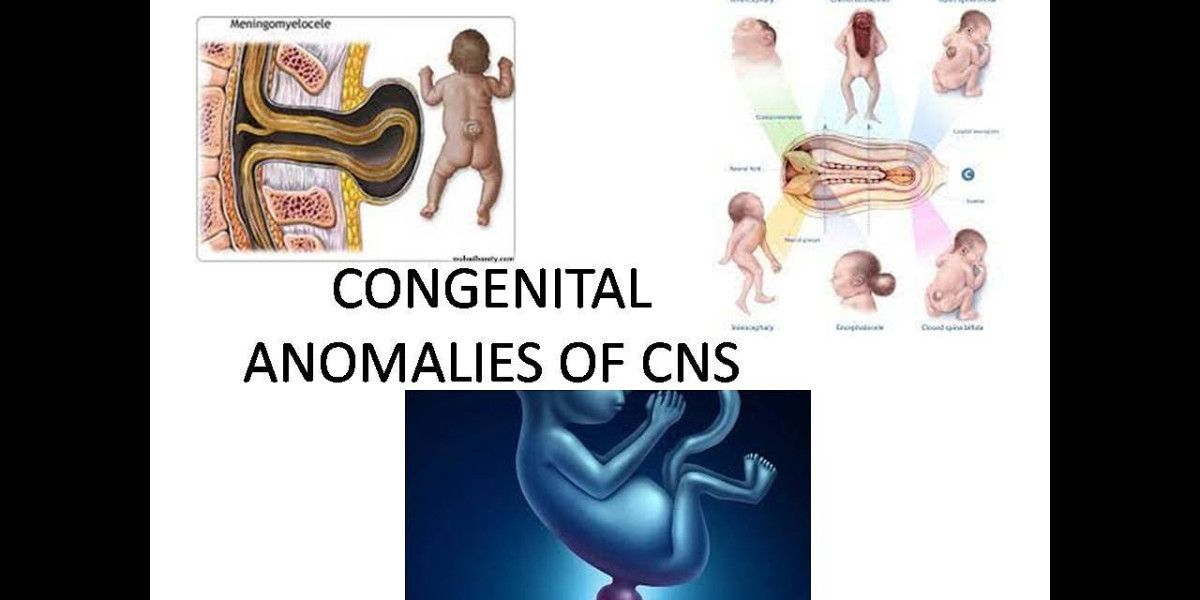

Addressing Neural Tube Defects: Congenital Anomalies in Riyadh
Congenital anomalies in Riyadh continue to be a primary area of focus for pediatric and public health specialists, particularly regarding neural tube defects (NTDs) which affect the developing brain and spinal cord. These defects occur when the neural tube fails to close completely during the critical window between the third and fourth week of embryonic development. The spectrum of these conditions is broad, ranging from anencephaly, where major portions of the brain are absent, to various forms of spina bifida, which can result in long-term physical and neurological disabilities. Addressing the prevalence and impact of these conditions requires a comprehensive strategy that combines advanced clinical management with proactive community prevention.
Epidemiological Trends and Risk Factors
Research into the epidemiology of NTDs in the region highlights a complex interplay between genetic and environmental variables. While mandatory food fortification programs have been initiated, studies indicate that the prevalence of these conditions has remained a significant concern. Key risk factors identified in local research include maternal diabetes, obesity, and the use of certain medications, such as specific anti-seizure drugs that may interfere with folate metabolism. Furthermore, the high rate of consanguineous marriage within the population is recognized as a significant contributing factor to the manifestation of hereditary genetic predispositions, necessitating targeted genetic counseling as a standard of care for at-risk families.
The Critical Role of Folic Acid
The most effective strategy for the primary prevention of NTDs remains adequate periconceptional folic acid supplementation. Scientific evidence consistently demonstrates that maternal intake of folic acid—starting at least four weeks before conception and continuing through the first trimester—can substantially reduce the risk of neural tube closures failing. Despite high levels of awareness regarding the importance of folate, clinical observations suggest that the timing of supplementation remains inconsistent. Public health initiatives are therefore focused on improving the accessibility and education surrounding the daily use of folic acid, particularly for women planning pregnancies, to ensure that preventative measures are implemented well before the neural tube closes.
Diagnostic Innovations and Prenatal Care
Advancements in diagnostic technology have significantly improved the ability to detect NTDs in utero. Routine prenatal ultrasound screening is a vital component of maternal healthcare, allowing for early identification of structural anomalies. For cases identified as high-risk, more sophisticated imaging, including fetal MRI and detailed echocardiography, provides clinicians with the necessary information to plan specialized deliveries and immediate postnatal interventions. Early diagnosis is essential, as it allows for the coordination of a multidisciplinary care team—including pediatric neurosurgeons, urologists, and orthopedists—who can prepare for the specific medical needs of the neonate upon birth.
Surgical Management and Neonatal Outcomes
The management of infants born with NTDs, particularly those with myelomeningocele, often requires complex surgical procedures early in life. These interventions typically involve the closure of the spinal defect to protect the exposed neural tissue and, in many cases, the insertion of a ventriculoperitoneal shunt to manage associated hydrocephalus. The success of these surgeries is highly dependent on the timing and the quality of post-operative care. Modern medical facilities in the region are equipped to handle these delicate procedures, focusing on minimizing neurological damage and secondary infections, which are the primary concerns for long-term health outcomes.
Long-Term Support and Rehabilitation
The care for children affected by NTDs extends well beyond the initial surgical correction. Because these conditions can lead to permanent mobility issues, bladder and bowel incontinence, and learning difficulties, a long-term rehabilitation strategy is imperative. This includes physical therapy, occupational therapy, and specialized educational support designed to foster the child's independence. Comprehensive care centers provide a structured environment where families can receive continuous guidance, ensuring that the child’s physical, cognitive, and social development is supported through each stage of growth, thereby maximizing their quality of life.
Moving Toward Holistic Prevention
As medical knowledge expands, the focus in the city is shifting toward a more holistic model of prevention and care. This includes strengthening national monitoring systems to track the incidence of birth defects more accurately, as well as enforcing stricter adherence to food fortification policies. By integrating genetic screening, improved access to prenatal services, and community-wide education campaigns, the healthcare system aims to create a robust network of protection for mothers and infants. The ultimate goal is to reduce the burden of preventable congenital anomalies, ensuring that every child has the best possible start to life.
This is the third of 37 articles regarding congenital anomalies. Please let me know when you are ready for the next one.