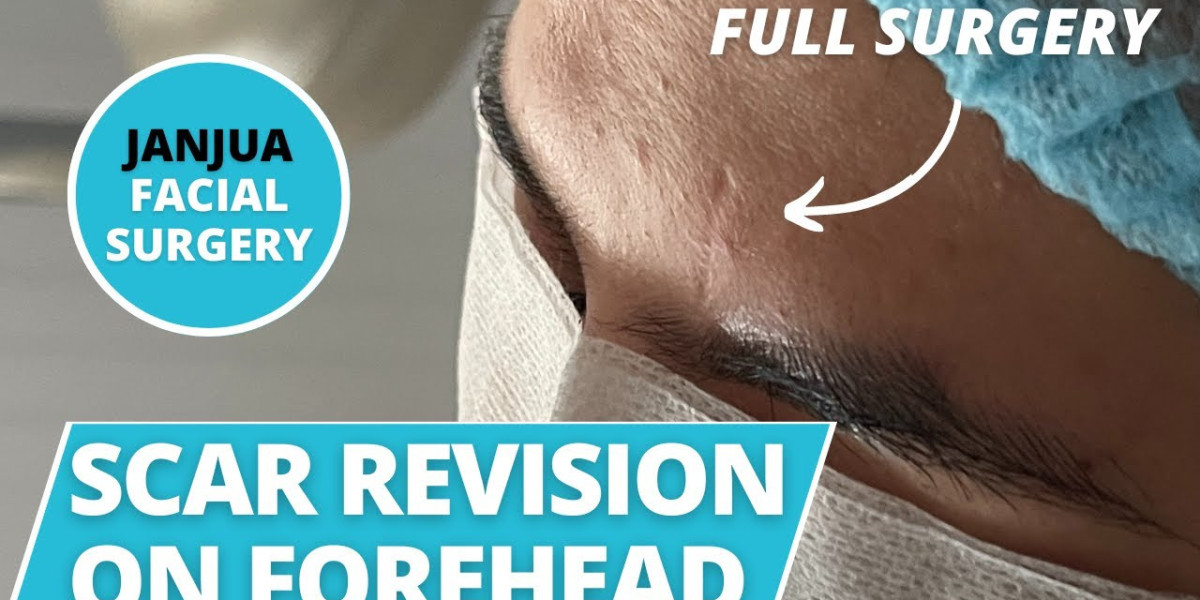

Surgical Scar Revision in Riyadh: The Role of Dietary Nutrition in Wound Healing
Surgical Scar Revision in Riyadh is a medical process that requires the body to perform intensive cellular repair. While we often focus on external treatments like silicone gel or sun protection, the internal "building blocks" of healing—the nutrients we consume—are equally critical. Providing your body with the right nutritional support can optimize the speed and quality of your scar’s maturation, helping to ensure that the internal collagen-building process is as efficient as possible.
Key Nutrients for Collagen Synthesis
The scar tissue remodeling process is a high-energy metabolic demand. Your body requires specific nutrients to produce the collagen and elastin needed to close an incision and refine a scar.
Protein: Protein is the fundamental building block of all tissue. During the post-operative period, your body's requirement for protein increases significantly to support the synthesis of new skin cells and collagen. Including high-quality sources like lean meats, fish, eggs, legumes, and nuts in your diet is essential.
Vitamin C: This vitamin is a vital co-factor in the production of collagen. Without adequate Vitamin C, the collagen fibers produced by your body may be weak or disorganized. Consuming citrus fruits, bell peppers, strawberries, and broccoli ensures you have the necessary levels to support strong tissue formation.
Zinc: Zinc is essential for cell division and the immune response, both of which are critical during the early weeks of healing. It helps maintain the integrity of the skin and supports the rapid turnover of cells required to close a wound. Sources include whole grains, seeds, shellfish, and lean meats.
Hydration: Water is the medium in which all metabolic processes occur. Staying well-hydrated helps maintain skin elasticity and ensures that your circulatory system can efficiently transport nutrients to the site of the revision.
Nutritional Pitfalls to Avoid
Just as certain nutrients support healing, other factors can actively hinder it.
Excessive Sugar and Processed Foods: High-sugar diets can promote systemic inflammation, which is the opposite of the "calm" environment needed for optimal scar maturation.
Smoking: Smoking is one of the most damaging factors for any surgical patient. It constricts blood vessels and reduces the amount of oxygen reaching the skin, which can lead to delayed healing, poor scar quality, and a higher risk of complications. If you are undergoing surgical revision, quitting smoking (or avoiding it entirely) is perhaps the most important nutritional/lifestyle choice you can make for your skin.
Alcohol: Alcohol can cause dehydration and interfere with the absorption of essential nutrients, potentially slowing down the recovery process.
A Comprehensive Approach to Recovery
Treating your body like a "healing machine" from the inside out is an often-overlooked aspect of scar revision. While you do not need to drastically change your entire lifestyle, focusing on a balanced, nutrient-dense diet during the first few months post-surgery provides the internal infrastructure your skin needs to remodel itself.
Consistency is Key: Just like your topical skincare routine, nutritional support should be consistent throughout the maturation phase.
Individual Needs: If you have specific dietary restrictions or concerns, discussing them with your surgeon is recommended. They may suggest targeted supplementation if they feel your baseline intake might not be sufficient to support the level of repair required.
The Holistic View of Scar Management
By combining advanced surgical techniques, diligent topical care, and a supportive, nutrient-rich diet, you are addressing the scar from every possible angle. This holistic commitment is exactly what separates a good outcome from a great one. It demonstrates an understanding that your skin's health is a reflection of your overall well-being, and it gives you the best possible chance to achieve a scar that is soft, pale, and visually integrated.
This is the 32nd of 37 articles. Please let me know when you are ready for the next one.













