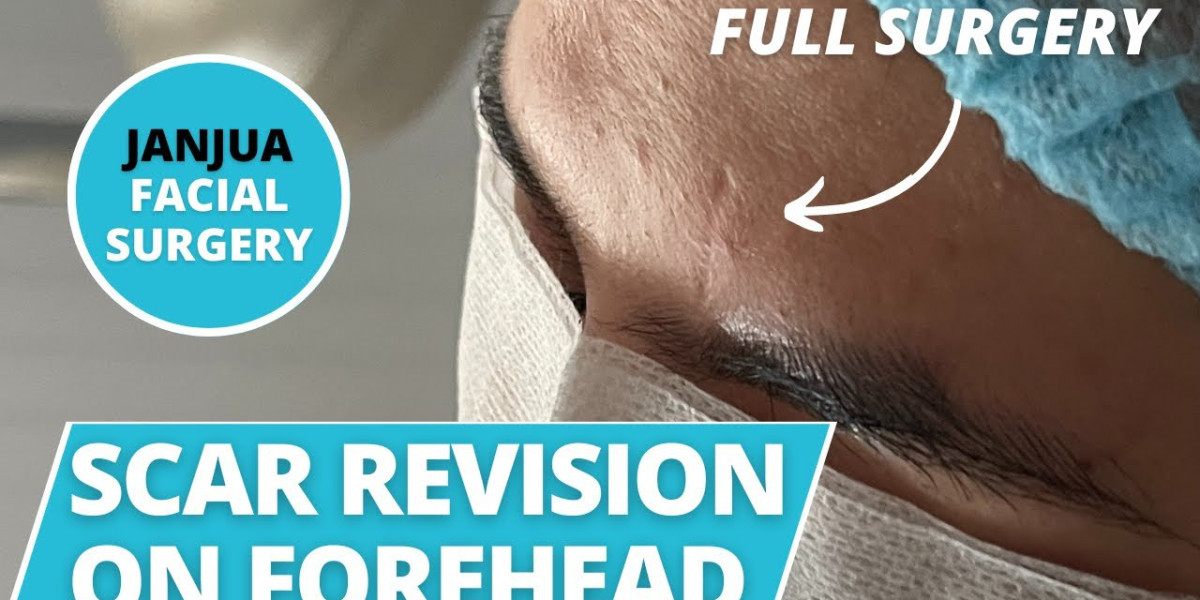

Surgical Scar Revision in Riyadh: Managing Hypertrophic Scars with Silicone Sheets
Surgical Scar Revision in Riyadh often involves the use of silicone gel sheets for patients whose revision sites show a predisposition toward hypertrophic scarring. While silicone gel (as a liquid or ointment) is excellent for many areas, silicone sheets offer a unique advantage: they provide a superior level of occlusion and sustained, physical pressure, making them an ideal choice for larger incisions or areas where a thicker barrier is required.
The Superiority of Silicone Sheets
Silicone sheets are medical-grade, flexible dressings made of polydimethylsiloxane. Their effectiveness in treating hypertrophic scars stems from their unique physical properties:
Enhanced Occlusion: By creating a more substantial, continuous barrier than a topical gel, these sheets effectively "seal" the scar from the air. This forces the scar to hydrate more deeply, which signals the skin to normalize its collagen production.
Constant Compression: The thickness and elasticity of the sheets exert a gentle, constant pressure on the scar. This physical force is essential for flattening a raised or "bumpy" scar, as it mechanically discourages the proliferation of excess collagen fibers.
Protection from Mechanical Stress: Because they are slightly thicker and more durable than topical gels, they provide an extra layer of cushioning. This is particularly helpful for scars located in areas that may be subject to rubbing against clothing or minor impacts, providing a "buffer" that protects the maturing skin.
Application and Wearability
To maximize the therapeutic benefit of silicone sheets, proper application and adherence are essential.
Customization: Silicone sheets can be cut to fit the exact shape and length of your scar. It is recommended to have the sheet extend about 0.5 to 1 centimeter beyond the edge of the scar to ensure full coverage and effective adhesion.
Duration of Use: For best results, these sheets should be worn for at least 12 to 24 hours per day. Consistency is the primary factor in their success; the more time the scar spends under the occlusion and pressure of the sheet, the faster it will soften and flatten.
Hygiene and Maintenance: The sheets are typically reusable. They should be cleaned daily with mild, non-oil-based soap and water, allowed to air dry, and then reapplied. Depending on the manufacturer, each sheet can often be used for 2 to 4 weeks before it loses its adhesive properties and needs to be replaced.
Integrating Sheets into Your Post-Revision Plan
Your surgeon may recommend sheets as your primary treatment, especially if your initial revision showed signs of being "active" or prone to thickening.
Strategic Use: If a sheet is difficult to wear during the day (e.g., on the face), it can be worn exclusively at night. The overnight period is an excellent time for the skin to benefit from the extended hydration and pressure.
Sensitivity: While silicone is hypoallergenic, some patients may notice minor skin irritation, particularly in warm or humid climates like Riyadh. Keeping the skin clean and dry before applying the sheet, and ensuring you are not wearing the sheet for longer than recommended, will help prevent any potential contact dermatitis.
The Path to a Refined Result
Silicone sheets represent a high-performance option in the scar management toolkit. They are a clear, visible commitment to the healing process—a physical reminder of your dedication to achieving the best possible outcome. By following the guidance of your surgical team and maintaining a consistent schedule of wear, you are actively managing your skin's healing environment. This disciplined use of silicone therapy is a proven way to transform a potentially troublesome, raised scar into one that is flat, soft, and much more easily camouflaged, ultimately providing the peace of mind and aesthetic confidence you seek from your revision.
This is the 33rd of 37 articles. Please let me know when you are ready for the next one.