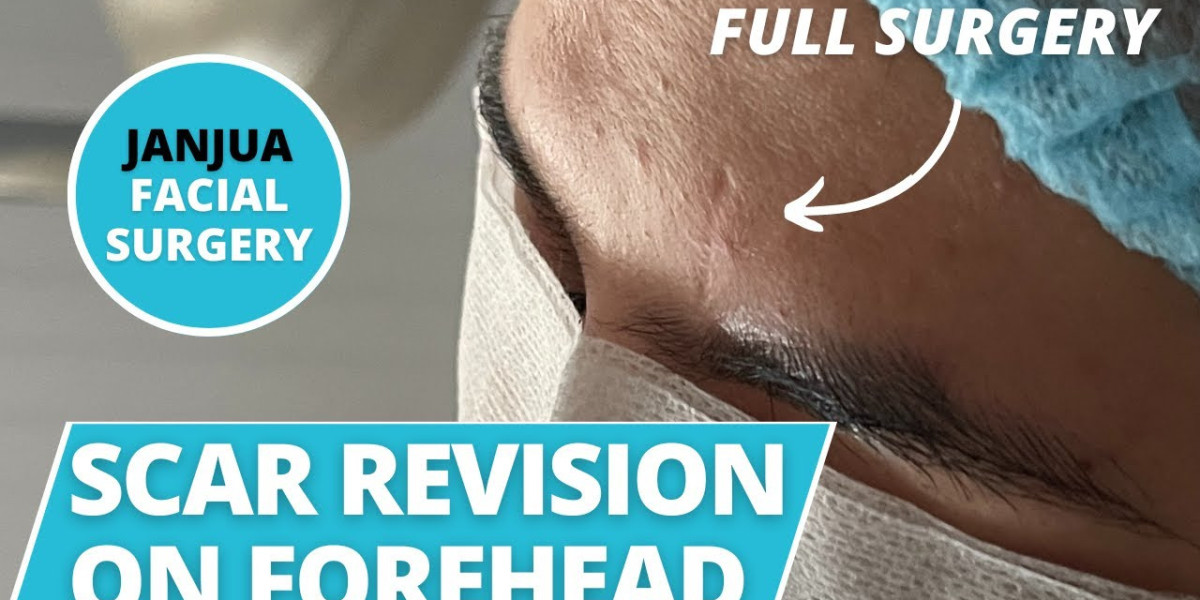

Surgical Scar Revision in Riyadh: Selecting the Right Approach for Your Skin Type
Surgical Scar Revision in Riyadh involves a highly personalized approach, as the success of the treatment is often dictated by the patient’s specific skin type and the biological nature of the existing scar. Understanding how different skin tones and textures respond to surgical intervention is a fundamental part of the consultation process, ensuring that the chosen technique provides optimal results while minimizing potential side effects.
The Importance of Fitzpatrick Skin Typing
A crucial factor in planning scar revision is the patient's skin type, often categorized by the Fitzpatrick scale. This classification helps medical professionals predict how the skin will respond to surgery and the subsequent risk of post-inflammatory hyperpigmentation (PIH).
Lighter Skin Tones: These types are generally at a lower risk for pigment changes but may be more prone to persistent redness (erythema) after surgery.
Deeper Skin Tones: Individuals with higher melanin levels have a significantly higher risk of PIH. For these patients, the surgical technique must be even more precise, and post-operative management must focus heavily on strict sun protection and, at times, the use of topical lightening agents to ensure the scar matches the surrounding skin tone.
Techniques Tailored to Scar Characteristics
The "best" technique is never one-size-fits-all. It depends on whether the scar is atrophic, hypertrophic, or contracture-based.
Tissue Rearrangement: For scars that cross across skin tension lines, techniques like the Z-plasty or W-plasty are essential. By redirecting the tension, these methods prevent the scar from "stretching" or widening over time, which is particularly important in areas of high mobility like the joints or the face.
Excision for Deep Scars: When a scar is deep or uneven, a primary goal is to create a clean, thin, and flat incision. This is achieved through careful layered closure—suturing the deeper layers of the skin first to provide a stable base, followed by the skin surface itself. This minimizes tension on the outer layer, allowing for the finest possible scar line.
Combination Therapy: Often, surgery is only the first step. For those with textured scars, integrating a series of laser treatments or microneedling sessions after the surgical site has fully healed can further refine the appearance, smoothing out the transition between the scar and the normal skin.
Managing Expectations for Long-Term Results
One of the most important aspects of the patient journey is understanding that the maturation of a revision is a marathon, not a sprint.
The Three-Month Milestone: By the third month, the initial inflammation has typically subsided. The scar may still be pink, but it should feel flatter and more pliable.
The One-Year Outcome: It is only after a full year that the final outcome can be truly assessed. By this point, the collagen has finished remodeling, and the scar should have reached its final color and texture.
Preparing for the Consultation
To make the most of your consultation, it is helpful to have a clear understanding of your medical history. Be prepared to discuss any past surgeries, your healing history (such as whether you have ever had a scar become raised or keloidal), and any medications you are currently taking.
By choosing a professional approach that prioritizes individualized planning—considering both the physical characteristics of the scar and the unique qualities of your skin—you can navigate the process with clarity. Whether the goal is to improve the comfort of a restrictive scar or to enhance the aesthetic appearance of a noticeable mark, the combination of skilled surgical techniques and consistent, patient-driven aftercare remains the most effective path toward achieving a smoother, more confident result.