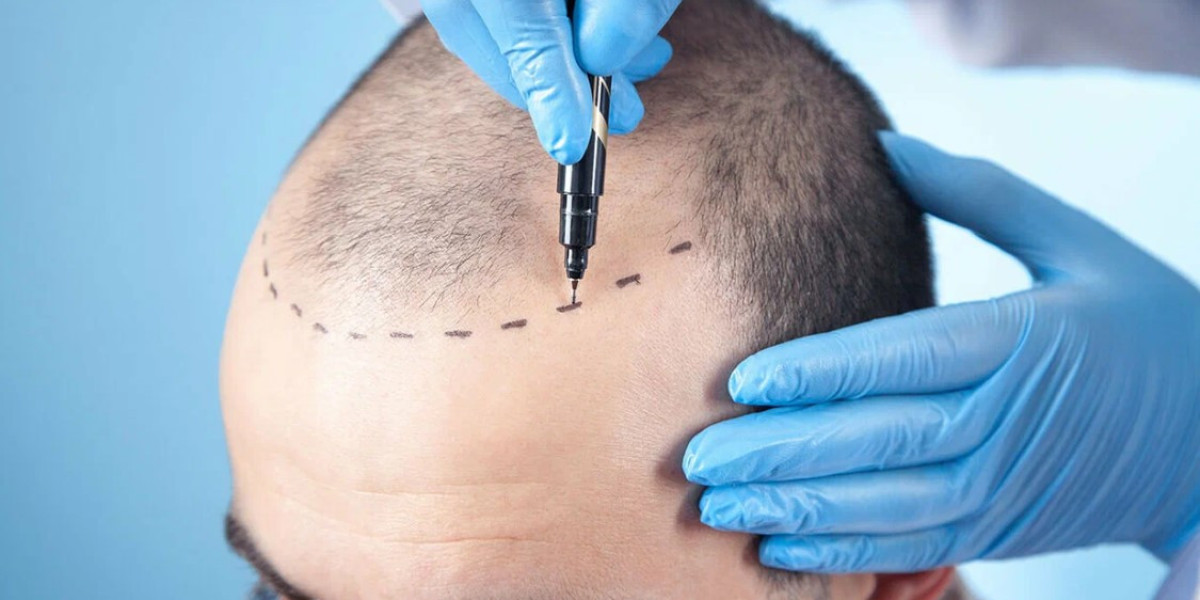

Preparing for a hair transplant consultation is one of the most important steps in your restoration journey. In Riyadh, where high standards of medical care and modern aesthetic technologies are the norm, the consultation is your opportunity to vet your provider, understand the procedure's limitations, and build a partnership based on transparency. Because a hair transplant is a permanent change, you should approach your consultation not as a sales meeting, but as a formal medical vetting process.
Hair transplant in Riyadh is a popular hair restoration procedure that helps individuals address hair loss and achieve a fuller, more natural-looking hairline with long-lasting results.
Below is a comprehensive guide to the key questions you should ask, categorized to help you cover every aspect of the surgery, the recovery, and the long-term management of your hair.
1. Assessing the Surgeon and Clinic’s Expertise
The surgeon’s hands are the most important variable in your success. You need to understand who is actually performing the work and what their experience is with your specific type of hair loss.
Who will be performing the graft extraction and the implantation? This is the most critical question. In some clinics, highly skilled surgeons perform the incisions, but technicians perform the extraction and placement. You need to know exactly how much of the work the surgeon themselves will be performing.
Can you show me before-and-after portfolios of patients with hair loss patterns similar to mine? It is easy to find impressive results for someone with minor receding, but if your case is advanced, you need to see evidence of that specific scenario. Look for consistency in how they design hairlines and how they handle the density of the mid-scalp and crown.
What is the clinic’s policy on graft survival rates? A professional clinic will be able to discuss their expected percentage for graft survival. While no surgeon can guarantee 100% survival, they should be able to explain the steps they take—such as careful handling and temperature control—to maximize the life of the grafts.
2. Understanding Your Surgical Plan
Before a single hair is moved, you need to understand the "math" of your surgery. This ensures that you and your surgeon are on the same page regarding the goals of the procedure.
Based on my current donor density and hair thickness, how many grafts are actually needed for my goals? This forces the surgeon to be honest about the limitations of your donor supply. If they promise you the world but provide a low graft number, there is a discrepancy in expectations.
What is the surgical strategy for my crown, mid-scalp, and hairline? Ask them to explain the priority order. A good surgeon will explain why they are prioritizing the frontal hairline for density and why they might be more conservative with the crown.
Are there any areas that you are choosing not to address, and why? Sometimes, the best answer is "we aren't touching that area yet." This shows they are thinking about preserving your donor hair for potential future procedures, which is a sign of high clinical integrity.
3. Evaluating Techniques and Technology
Different methods have different implications for your recovery and long-term styling.
Are you recommending FUE or DHI for my specific hair texture and scalp condition? Ask them to explain why they are choosing that specific method. For instance, if you have very curly or fine hair, the handling requirements are different, and your surgeon should be able to explain the technical rationale behind their choice.
What measures are taken to ensure the natural direction and angle of growth? This is the key to preventing the "pluggy" look. Ask them how they map the growth pattern, especially in areas like the crown, where the hair grows in a radial, swirling motion.
Is there any robotic assistance or specialized storage solution used to keep the grafts healthy? Riyadh’s top clinics often use advanced saline solutions or cooling devices to maintain graft health during the time they spend outside the body. This is a technical detail that significantly improves outcomes.
4. Planning for the Long Term
A transplant is not just a fix for today; it is a strategy for your future.
How does this plan account for the potential progression of my hair loss in the next 10 to 20 years? A great surgeon plans for the future. They should be able to explain how they are creating a "buffer zone" or a conservative hairline that will still look natural even if you continue to lose hair in other areas.
Do I need a follow-up session, and if so, when is it typically scheduled? For advanced cases, being told upfront that you might need a second procedure 18 months later is much better than being surprised by it after your first procedure is finished.
What medical management (medication/therapy) do you recommend to maintain my existing native hair? Surgery is the foundation, but medical management is the maintenance. If your surgeon doesn't discuss stabilization therapies like Minoxidil or Finasteride, you are missing a critical part of the long-term success of your hair restoration.
5. Recovery and Post-Surgical Support
The recovery period is where your work begins. You need to know exactly what is expected of you.
What is the protocol for washing and managing the scalp in the first 14 days? Ask if they provide a specialized kit or shampoo. If they don't, you need to know exactly what products to purchase.
Who is my point of contact if I have concerns about swelling, itching, or redness during the first week? You want to know if you can reach the surgical team directly or if you will be speaking to a customer service representative. Direct access to the clinic’s medical team is a sign of good aftercare.
What is the specific timeline for returning to exercise, wearing hats, and full physical activity? Be honest about your lifestyle. If you are an athlete or train heavily at the gym, this is the time to ask how to adjust your schedule.
6. Transparency and Logistics
Finally, address the business side of the surgery to ensure there are no hidden surprises.
What exactly is included in the price? Ensure it covers the procedure, anesthesia, medications, follow-up visits, and any post-operative scalp treatments.
What are the specific risks and complications associated with this procedure for my medical profile? Every surgery has risks, including infection or delayed healing. A reputable surgeon will not shy away from discussing these openly.
Can you explain your policy on revision or touch-up procedures? It is rare, but sometimes adjustments are needed. Knowing the clinic's policy on this shows their commitment to your long-term satisfaction.
Final Advice for Your Consultation
When you go into your consultation in Riyadh, take notes. It is easy to be overwhelmed by technical information. Bring a list of these questions with you. If a surgeon seems rushed or dismissive of your questions, that is a red flag. The right provider will be patient, thorough, and will treat these questions as a sign that you are an informed, serious patient who values the outcome of the surgery.
Your goal is to walk out of the clinic with a clear, written plan that you understand completely. If anything is vague, ask for clarification. This isn't just a purchase; it's a permanent change to your identity. By asking these questions, you transition from being a passive patient to an active, empowered participant in your own transformation.