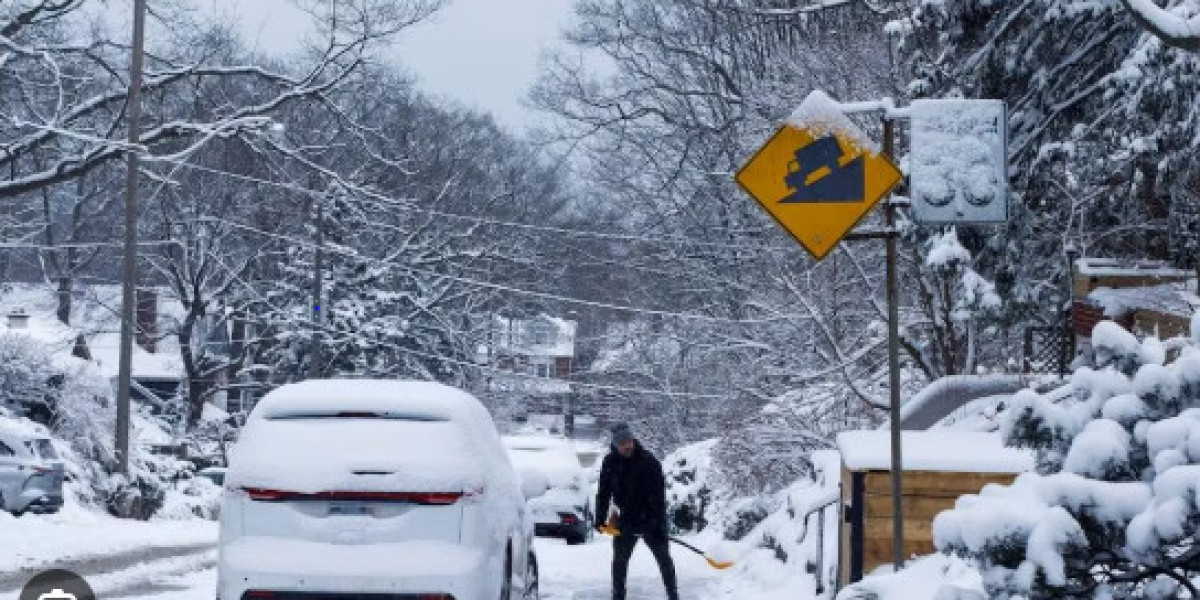

Winter storms affect nearly every region of the United States, but the way cities experience and respond to snow and ice varies dramatically. Geography, climate, elevation, municipal budgets, transportation infrastructure, and public expectations all influence how communities prepare for severe winter weather. While residents of northern cities often continue daily life during heavy snowfall, the same amount of snow can bring southern metropolitan areas to a complete standstill.
Understanding these differences helps explain why weather forecasts are interpreted differently depending on location. A forecast calling for four inches of snow may barely interrupt daily routines in one city while triggering widespread school closures, canceled flights, and dangerous road conditions in another. The contrast highlights the importance of regional planning rather than comparing snowfall totals alone.
One helpful resource for travelers and families monitoring weather in multiple regions is winter storm warnings by city which allows users to compare active alerts across hundreds of locations and better understand changing winter conditions.
Buffalo, New York: Built for Heavy Snow
Buffalo has earned a worldwide reputation as one of America's snowiest major cities. Positioned near Lake Erie, it regularly experiences lake-effect snow, where cold Arctic air passes over relatively warm lake water before dumping enormous amounts of snow inland. Seasonal snowfall commonly exceeds 90 inches, and some winters bring well over 100 inches.
Unlike many cities, Buffalo has designed much of its infrastructure around this reality. Municipal governments maintain extensive fleets of snowplows, salt trucks, and emergency equipment. Snow removal operations begin before storms arrive, using weather forecasting technology to deploy crews strategically.
Road treatment budgets in Buffalo are among the highest in the country because snow removal is considered an essential public service. Salt storage facilities, dedicated maintenance garages, and trained operators allow highways and neighborhood streets to reopen quickly after major storms.
Schools generally remain open during moderate snowfalls because transportation systems are accustomed to winter conditions. Closures typically occur only during extreme lake-effect events that produce whiteout conditions or exceptionally rapid snow accumulation.
For Buffalo residents, four inches of snow is simply another winter morning.
Atlanta, Georgia: Rare Snow Creates Major Challenges
Atlanta offers perhaps the strongest contrast to Buffalo. The city averages only a small amount of snowfall during a typical winter, and some years receive virtually none at all.
Because snow is uncommon, investing heavily in snowplows and salt storage would be economically inefficient. Instead, city governments focus resources on hazards that occur more frequently, such as thunderstorms, flooding, and heat waves.
The region faces an additional challenge: freezing rain. Ice often creates more dangerous driving conditions than snow because untreated roads become extremely slippery while appearing merely wet.
Atlanta's famous winter weather disruptions occur because drivers have limited experience operating on icy roads, steep highway interchanges become hazardous, and road treatment equipment is limited. Traffic congestion quickly compounds these issues.
Schools often close before snow even begins if forecasts indicate freezing temperatures or ice accumulation. Officials prefer preventive closures rather than risking thousands of students and buses traveling on dangerous roads.
Here, four inches of snow represents an extraordinary event capable of disrupting nearly every aspect of city life.
Denver, Colorado: High Elevation and Rapid Snow Removal
Denver experiences frequent winter storms thanks to its elevation near the Rocky Mountains. Seasonal snowfall averages roughly 50 to 60 inches, although totals vary significantly depending on weather patterns.
Despite receiving substantial snow, Denver often recovers remarkably quickly. The city's relatively dry climate allows sunshine to melt snow rapidly after storms, particularly on treated roads.
Municipal agencies maintain experienced snow removal crews that prioritize highways, emergency routes, hospitals, and major commercial corridors. Sand, de-icing chemicals, and plows work together to maintain mobility throughout winter.
Denver residents are generally comfortable driving in snow, and many vehicles feature all-wheel drive or winter tires due to mountain travel.
School closure decisions depend not only on snowfall amounts but also on temperature, wind, and overnight icing. Six inches of light powder may cause fewer disruptions than a thin layer of freezing rain.
For Denver, winter weather represents a manageable seasonal challenge rather than an unusual emergency.
Seattle, Washington: Hills Turn Small Storms Into Big Problems
Seattle receives relatively little snowfall compared with many northern cities. Seasonal averages often remain below ten inches, yet even modest storms create widespread transportation issues.
Topography plays a major role. Seattle contains numerous steep hills that become extremely dangerous when snow or ice accumulates. Vehicles may lose traction while climbing or descending, increasing accident risks even during relatively light snowfall.
The maritime climate also contributes to frequent freeze-thaw cycles. Snow may partially melt during the day before refreezing overnight into sheets of black ice.
Because heavy snowfall occurs infrequently, the city maintains fewer snow removal resources than northern municipalities. Crews concentrate on primary roads, bridges, transit routes, and emergency services while residential streets may remain untreated longer.
Public transit agencies often modify bus routes to avoid steep hills during winter storms.
Schools frequently close when forecasts predict icy roads rather than significant snowfall totals. Safety concerns center on transportation conditions rather than accumulation alone.
Seattle demonstrates that terrain and climate can matter more than snowfall depth itself.
Minneapolis, Minnesota: Winter as a Way of Life
Minneapolis represents one of America's best examples of a city fully adapted to severe winter weather. Seasonal snowfall commonly approaches or exceeds 50 inches, while temperatures routinely fall well below freezing.
Infrastructure planning assumes that snow will remain on the ground for extended periods. Municipal governments invest heavily in snowplows, road salt, specialized maintenance vehicles, and coordinated emergency operations.
Residents expect winter driving conditions for several months each year. Winter tires, emergency vehicle kits, insulated clothing, and home preparedness are common throughout the metropolitan area.
Road treatment budgets reflect these expectations. Snow removal follows carefully planned priority systems that clear interstate highways, major arterial roads, transit routes, and neighborhood streets in sequence.
Schools often remain open despite substantial snowfall because transportation systems are designed for winter reliability. Only blizzard conditions, dangerous wind chills, or severe visibility reductions typically justify widespread closures.
For Minneapolis, four inches of fresh snow rarely interrupts daily routines.
Dallas, Texas: Infrequent Snow, Significant Disruption
Dallas occupies another region where winter storms remain relatively uncommon but highly disruptive when they occur.
Snowfall averages only a few inches annually, and some winters receive none at all. However, Arctic air occasionally combines with moisture to produce snow, sleet, or freezing rain across North Texas.
Road treatment resources are intentionally limited because maintaining large snow removal fleets would provide little value during most years.
Bridges and elevated highways freeze first, creating hazardous travel conditions across the metropolitan area. Ice presents greater dangers than snowfall itself.
Power infrastructure can also face stress during severe cold outbreaks, particularly when electricity demand increases rapidly for home heating.
School districts frequently announce closures well before storms arrive, recognizing that many neighborhoods lack treated roads and that buses may encounter unsafe conditions.
Dallas illustrates how rare winter weather events can overwhelm systems designed primarily for warm climates.
Comparing Snowfall Averages Across Regions
One reason cities respond differently lies in their long-term climate patterns.
Buffalo regularly measures snowfall exceeding 90 inches annually due to lake-effect snow. Minneapolis generally receives around 50 inches, while Denver averages approximately the mid-50-inch range depending on yearly weather patterns.
Seattle typically records fewer than ten inches, Atlanta averages only occasional snowfall, and Dallas often experiences winters with little or no measurable snow.
Municipal investments naturally reflect these averages. Cities expecting months of winter conditions build permanent snow response systems, whereas warmer cities prioritize other weather-related hazards.
Snowfall frequency influences everything from equipment purchases to employee training and emergency planning.
Infrastructure Readiness Makes the Biggest Difference
Snow removal capability depends on much more than simply owning plows.
Northern cities maintain salt storage facilities, dedicated maintenance garages, replacement equipment inventories, trained operators, weather monitoring centers, and coordinated emergency communication systems.
Many also pre-treat roads before storms using liquid brine that prevents ice from bonding to pavement.
Southern cities generally own fewer specialized vehicles because they would remain unused for most of the year. Instead, agencies sometimes borrow equipment from neighboring states or contract private companies during unusually severe storms.
Infrastructure readiness therefore determines recovery speed almost as much as snowfall totals themselves.
Road Treatment Budgets Reflect Local Priorities
Municipal budgets reveal how seriously communities prepare for winter weather.
Cities like Buffalo and Minneapolis spend millions of dollars annually on road salt, fuel, equipment maintenance, overtime labor, replacement plows, and weather forecasting technology.
Denver also allocates significant resources because reliable transportation supports commuters, emergency services, and mountain tourism.
Atlanta, Dallas, and Seattle generally dedicate smaller budgets to snow operations because severe winter weather occurs less frequently. Their spending priorities instead emphasize hazards encountered more regularly throughout the year.
Taxpayer expectations also differ. Residents in snowy climates expect immediate snow removal, whereas occasional delays may be considered acceptable where storms occur only rarely.
School Closure Policies Vary by Experience
School administrators evaluate far more than snowfall totals.
Officials consider overnight temperatures, expected road icing, bus route safety, visibility, wind conditions, power outages, and the ability of maintenance crews to clear parking lots and sidewalks.
Northern districts possess extensive experience operating during snowy conditions. Bus drivers receive winter driving training, maintenance staff prepare facilities in advance, and transportation departments monitor changing forecasts continuously.
Southern districts frequently adopt precautionary closures because limited snow removal resources increase transportation risks.
Parents may wonder why schools close for only two inches in one state while remaining open after eight inches elsewhere. The answer lies in preparedness rather than accumulation alone.
Driver Experience Shapes Public Safety
Another major difference involves human behavior.
Drivers in Buffalo or Minneapolis regularly encounter snow-covered roads throughout winter. They learn braking techniques, safe following distances, skid recovery, and defensive driving under slippery conditions.
Vehicles may also include snow tires, all-wheel drive, emergency supplies, and ice scrapers as standard equipment.
In contrast, many Atlanta or Dallas drivers rarely experience snow. Limited practice increases accident risks even when road conditions appear manageable.
Insurance claims frequently rise during southern winter storms despite relatively modest snowfall because unfamiliar driving conditions catch motorists by surprise.
Airports Face Different Operational Challenges
Airports provide another example of regional adaptation.
Northern airports invest heavily in runway snow removal equipment, aircraft de-icing systems, heated maintenance facilities, and specialized crews capable of operating around the clock.
Airlines serving these airports routinely incorporate winter weather into scheduling and staffing decisions.
Southern airports possess fewer de-icing resources because they are needed infrequently. Even minor snow events may therefore create larger delays than comparable storms in northern regions.
Operational planning reflects historical weather rather than worst-case scenarios.
Why Four Inches Means Different Things
The famous comparison between Buffalo and Atlanta perfectly illustrates how context matters.
In Buffalo, four inches represents routine maintenance. Snowplows deploy immediately, roads receive salt treatment, residents continue commuting, businesses remain open, and schools often operate normally.
In Atlanta, four inches may exceed the city's available snow removal capacity. Untreated roads become hazardous, traffic congestion worsens rapidly, schools close, flights are delayed, and businesses encourage employees to stay home.
Neither response is inherently better.
Each city has invested resources appropriate for its climate. Maintaining Buffalo's extensive snow removal fleet in Atlanta would waste millions of taxpayer dollars during mild winters. Likewise, Buffalo cannot afford inadequate preparation because heavy snow occurs every year.
Preparedness must match probability rather than possibility.
Lessons for Travelers and Residents
Understanding regional winter weather differences helps travelers make safer decisions.
Visitors from snowy climates should not underestimate the challenges faced by southern cities, where limited equipment and unfamiliar road conditions create unique risks.
Likewise, travelers from warm regions should recognize that northern communities continue functioning during storms that might appear intimidating.
Checking forecasts, understanding local emergency procedures, monitoring transportation updates, and respecting municipal guidance remain essential regardless of destination.
Winter storms remind us that weather impacts depend not only on nature but also on how societies prepare for it.
Conclusion
Winter storms reveal the remarkable diversity of America's climates and municipal planning strategies. Buffalo thrives under lake-effect snow, Minneapolis embraces months of winter, Denver efficiently manages mountain snowfall, Seattle battles icy hills, Atlanta struggles with infrequent snow and freezing rain, and Dallas faces occasional but disruptive Arctic outbreaks.
Snowfall totals alone never tell the complete story. Infrastructure investments, road treatment budgets, driver experience, geography, public expectations, school policies, and emergency planning all determine how successfully a city responds to winter weather.
Ultimately, four inches of snow carries no universal meaning. In one city it is barely noticed, while in another it becomes a headline-making emergency. These differences are not signs of success or failure but reflections of local climate, history, and practical planning decisions tailored to each community's unique environment