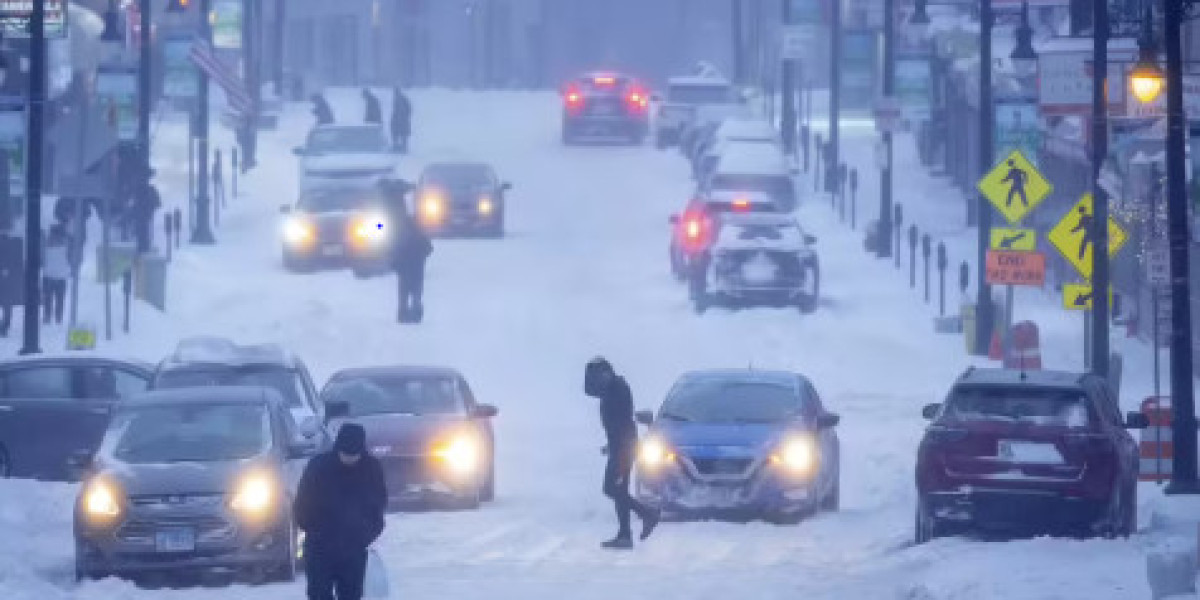

Winter storms can create serious challenges for everyone, but elderly adults, people with disabilities, individuals with chronic health conditions, and those living alone often face the greatest risks. Cold temperatures, icy roads, power outages, limited mobility, and isolation can quickly turn a normal winter event into a dangerous situation for vulnerable populations. Preparing ahead of time and maintaining regular contact with those who need extra support can prevent emergencies and help communities respond more effectively.
Older adults may be more affected by winter weather because of natural changes that occur with aging. Many seniors have reduced body temperature regulation, slower mobility, balance difficulties, medication needs, or medical conditions that make exposure to cold more dangerous. A winter storm is not only a weather event—it is a situation that can affect physical health, emotional well-being, access to essential supplies, and overall independence.
Families, caregivers, neighbors, and communities all play important roles in helping elderly relatives and vulnerable individuals remain safe. By planning before storms arrive and knowing what risks to watch for, caregivers can provide meaningful protection during some of the harshest conditions of the year.
The Importance of Checking on Elderly Neighbors During Winter Storms
One of the simplest and most effective ways to protect vulnerable people during winter weather is to regularly check on elderly neighbors, relatives, and friends. Many older adults prefer to maintain independence and may hesitate to ask for help, even when they are struggling. A quick phone call, text message, or in-person visit can identify problems before they become emergencies.
During a winter storm, checking on elderly neighbors should become part of community preparedness. Severe weather can prevent seniors from leaving their homes for groceries, medical appointments, or pharmacy visits. Snow-covered sidewalks, icy driveways, and transportation disruptions can make simple tasks extremely difficult.
When checking on an older adult, ask important questions:
- Do they have enough food and drinking water?
- Is their heating system working properly?
- Do they have access to necessary medications?
- Are they experiencing any health problems?
- Do they need help clearing snow or getting supplies?
Communication is especially important for seniors who live alone. A family member or neighbor can establish a regular check-in schedule before winter storms occur. This can be as simple as a morning phone call and an evening message to confirm that everything is fine.
If elderly parents or relatives live alone, technology can also help families monitor changing weather conditions. Saving reliable weather resources on their devices can make it easier for them to prepare early. For example, caregivers can help them bookmark winter storm warning near me on a phone or tablet so they can quickly check whether dangerous winter conditions are approaching.
Creating a Winter Emergency Plan for Elderly Family Members
A winter emergency plan should be created before the first major storm arrives. Waiting until freezing temperatures or heavy snowfall begins can make preparation much more difficult.
Every elderly person should have a basic emergency plan that includes:
- Emergency contact information
- Doctor and pharmacy details
- A list of medications and medical conditions
- Backup heating options
- Transportation plans
- Emergency food and water supplies
- Important documents stored safely
Families should discuss what will happen if a storm causes a power outage or prevents travel. Some seniors may need to temporarily stay with relatives if their home becomes unsafe. Others may require assistance from community organizations or emergency services.
The plan should also consider mobility challenges. Someone who uses a walker, wheelchair, or cane may need additional support if snow and ice block entrances and walkways. Ensuring that paths remain accessible is a major part of winter safety.
Medication Stockpiling and Healthcare Preparation Before Storms
Many elderly adults rely on daily medications to manage conditions such as heart disease, diabetes, arthritis, respiratory illnesses, and high blood pressure. A winter storm that closes roads or disrupts transportation can make it difficult to refill prescriptions.
Medication preparation should happen before severe weather arrives. Seniors and caregivers should review current prescriptions and make sure there is an adequate supply available. Many healthcare providers and pharmacies recommend maintaining extra medication when possible so short-term emergencies do not interrupt treatment.
Important medication preparation steps include:
- Refilling prescriptions before major storms
- Keeping medications stored at proper temperatures
- Maintaining an updated medication list
- Knowing which prescriptions require special handling
- Having contact information for healthcare providers
Caregivers should also pay attention to medical equipment needs. Some individuals rely on oxygen machines, electric medical devices, or mobility equipment. If a power outage occurs, backup plans should be available.
Battery backups, emergency generators, and alternative arrangements may be necessary for people whose health depends on powered equipment. Families should discuss these needs with healthcare providers before winter emergencies occur.
Preventing Falls on Ice and Snow
Falls are one of the most common winter hazards for older adults. Ice-covered sidewalks, snowy steps, and slippery driveways can cause serious injuries, including broken bones, head injuries, and long recovery periods.
For seniors, preventing falls is especially important because balance often becomes more difficult with age, and injuries can lead to loss of independence.
Several steps can reduce fall risks:
- Clear snow and ice from walkways quickly
- Use salt or ice-melting products on slippery surfaces
- Install handrails near steps and entrances
- Wear shoes with strong traction
- Avoid walking outside during icy conditions
- Use mobility aids when recommended
Older adults should avoid unnecessary outdoor trips during dangerous weather. A simple grocery run or mailbox visit can become risky when ice is present. Families and neighbors can help by delivering supplies or handling outdoor chores.
Inside the home, winter safety also matters. Wet boots can create slippery floors, and poor lighting can increase the chance of accidents. Keeping pathways clear, improving indoor lighting, and removing clutter can reduce hazards.
Heating Assistance Programs and LIHEAP Support
Maintaining a warm home is essential during winter storms, but some elderly adults and low-income households may struggle with heating costs. High energy bills can force vulnerable individuals to reduce heating use, creating dangerous living conditions.
The Low Income Home Energy Assistance Program (LIHEAP) is a federal program designed to help eligible households pay energy costs and maintain safe heating during colder months. Assistance may include help with heating bills, energy crises, weatherization support, and energy-related home improvements.
Families should research available heating assistance programs before winter arrives. Applying early is often beneficial because demand can increase during periods of extreme cold.
Signs that an older adult may need heating assistance include:
- Keeping the thermostat unusually low
- Spending time in only one heated room
- Wearing excessive layers indoors
- Avoiding use of heating equipment due to cost concerns
- Falling behind on utility payments
Community organizations, local agencies, and senior support groups may also provide heating resources, emergency assistance, or referrals.
Understanding Hypothermia Risks in Seniors
Hypothermia occurs when the body loses heat faster than it can produce it, causing body temperature to drop dangerously low. Older adults are at increased risk because aging can affect the body’s ability to regulate temperature.
Seniors may not always recognize that they are becoming dangerously cold. Some may not shiver strongly or may underestimate their level of discomfort.
Risk factors for hypothermia in older adults include:
- Living in poorly heated homes
- Wearing inadequate clothing
- Limited mobility
- Certain medications that affect circulation or awareness
- Chronic illnesses
- Living alone without regular monitoring
Warning signs of hypothermia may include:
- Confusion or unusual behavior
- Extreme tiredness
- Slow movements
- Slurred speech
- Weakness
- Cold, pale skin
If hypothermia is suspected, the person should be moved to a warm environment and given appropriate assistance. Medical attention may be necessary, especially for older adults or those with existing health conditions.
Preventing hypothermia starts with maintaining indoor warmth, wearing appropriate clothing, eating enough food, and ensuring regular human contact during storms.
Addressing Mental Health and Isolation During Winter Storms
Winter storms do not only affect physical safety. They can also create emotional challenges, especially for seniors who already experience loneliness or limited social interaction.
When storms prevent travel, older adults may spend days or weeks indoors without seeing friends, family members, or caregivers. This isolation can increase feelings of sadness, anxiety, and helplessness.
Maintaining emotional connection during winter storms is extremely important. Families can support seniors by:
- Scheduling regular phone or video calls
- Sending messages throughout the day
- Sharing photos and updates
- Encouraging hobbies and indoor activities
- Helping them stay connected with community groups
Mental health concerns should not be ignored. Changes such as withdrawal, loss of interest, increased worry, or noticeable mood changes may indicate that additional support is needed.
Technology can help reduce isolation. Video calls, online community groups, and digital entertainment options can provide connection when physical visits are impossible.
Preparing Assisted Living Facilities for Winter Storms
Assisted living facilities have a responsibility to protect residents through detailed emergency planning. Older adults living in these communities may have complex medical needs, limited mobility, or increased dependence on caregivers.
A well-prepared facility should have plans covering:
- Backup power systems
- Emergency heating procedures
- Medication management
- Food and water supplies
- Staff availability during storms
- Transportation alternatives
- Communication with families
Staff members should receive winter emergency training and understand how to identify signs of cold-related illnesses. Facilities should also regularly inspect heating systems and emergency equipment before winter weather begins.
Power outages are among the biggest concerns for assisted living communities. Backup generators should be tested regularly, and facilities should have procedures for maintaining essential medical equipment during outages.
Communication with residents’ families is equally important. Families should know how the facility handles emergencies and how updates will be provided during severe weather.
Building Stronger Community Support During Winter Storms
Protecting vulnerable populations during winter storms requires cooperation between families, neighbors, caregivers, healthcare providers, and community organizations. No single person or group can address every challenge alone.
Small actions can have a major impact. Clearing a neighbor’s walkway, delivering groceries, making a phone call, or helping someone prepare medications can prevent serious problems.
Winter storms are unpredictable, but preparation reduces their dangers. By recognizing the unique needs of elderly relatives and vulnerable individuals, communities can create safer environments where people receive the support they need.
The most effective winter safety strategies combine practical preparation with compassion. A warm home, available medications, safe walkways, regular communication, and emotional support can make a significant difference when severe weather arrives. Protecting vulnerable populations is not only about surviving a storm—it is about ensuring that every person has the opportunity to remain safe, healthy, and connected throughout the winter season