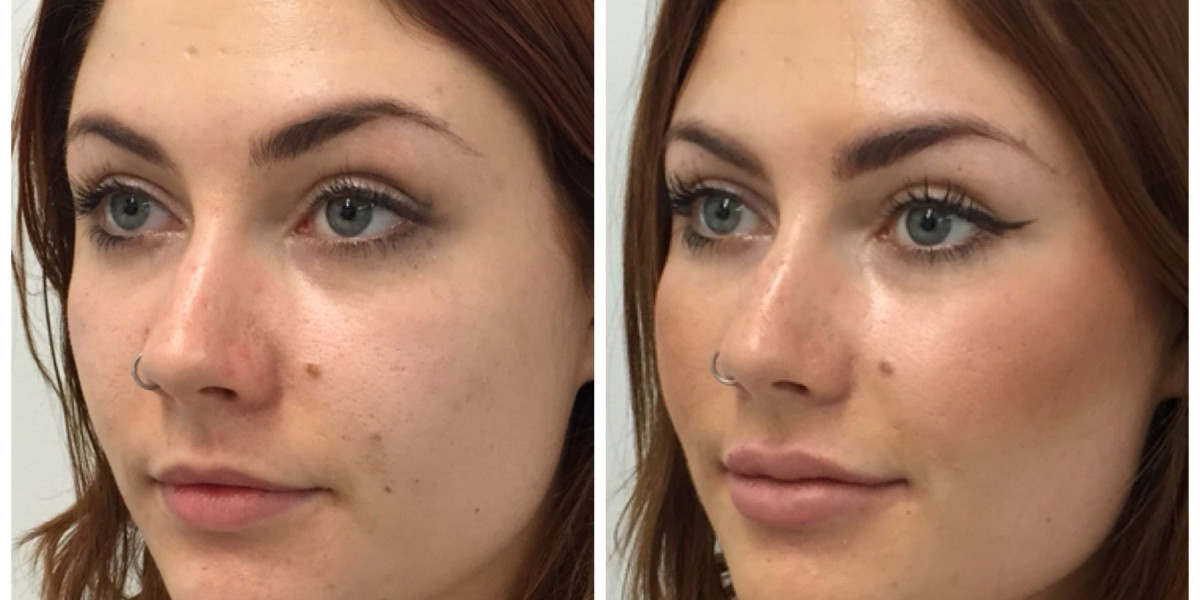

Advanced Integration of Aesthetic Technology and Facial Contouring
Cheek Augmentation in Riyadh has transformed into a high-precision discipline that leverages cutting-edge technology to achieve facial harmony. In 2026, the industry has moved decisively away from standardized, "cookie-cutter" enhancements toward bespoke, data-driven treatment plans. By utilizing sophisticated diagnostic tools to map individual anatomy, modern practitioners can now deliver results that are not only aesthetically striking but also functionally and biologically sound, ensuring a refreshed appearance that honors the unique structure of every face.
The Rise of AI-Driven Precision
One of the most significant advancements in 2026 is the integration of Artificial Intelligence (AI) into the aesthetic consultation. Practitioners now use high-resolution 3D scanners to analyze facial proportions, bone density, and fat distribution. This technology allows for:
Predictive Simulation: Patients can view potential outcomes before undergoing treatment, fostering a collaborative planning process that aligns expectations with realistic anatomical possibilities.
Anatomical Mapping: AI algorithms identify the precise "vectors of elevation," ensuring that volume is placed exactly where it will provide the most significant lift with the least amount of material. This precision minimizes the risk of migration and the "overfilled" appearance.
Customized Planning: By analyzing a patient’s specific aging trajectory, practitioners can determine the optimal balance of structural support and skin-quality treatments, creating a roadmap that evolves with the patient over time.
Next-Generation Materials and Techniques
The modern aesthetic toolkit has expanded far beyond traditional fillers. While hyaluronic acid (HA) remains a staple due to its safety and reversibility, the trend in 2026 is toward "hybrid" therapies that provide both immediate structure and long-term biological benefit.
Bio-Stimulatory Synergy: Practitioners are increasingly "stacking" treatments—combining structural HA fillers for immediate projection with biostimulatory agents like Poly-L-lactic acid (PLLA) or calcium hydroxylapatite. This combination provides an instant result that is gradually "taken over" and sustained by the body’s own collagen production.
Regenerative Injections: Platelet-Rich Fibrin (PRF) and exosome therapies are now frequently utilized to enhance the health of the skin’s dermal layer. By improving the tissue’s resilience and quality, these treatments ensure that the underlying volume support looks more natural and ages more gracefully.
Structural Refinement: For those requiring more significant intervention, advanced surgical techniques—such as deep-plane lifts or fat grafting—are performed with a focus on repositioning deep-tissue fat pads and retaining ligaments rather than merely stretching the skin.
The Shift Toward Holistic "Facial Units"
A defining trend of 2026 is the holistic view of the face as a single aesthetic unit. Instead of treating the cheeks in isolation, experts now focus on how mid-face volume interacts with the jawline, temples, and periorbital (eye) area. By creating a smooth transition between these zones, practitioners can eliminate the "piecemeal" look of previous years. This comprehensive approach ensures that enhancements provide a natural "flow" to the face, resulting in a more rested, alert, and harmonious aesthetic that is difficult to distinguish from natural youthfulness.
Recovery and Maintenance in the Modern Era
As procedures become more refined, recovery times have shortened. Many non-surgical augmentations are now considered "lunchtime" procedures, requiring minimal downtime. For surgical options, the focus has shifted toward minimally invasive techniques—such as smaller incisions and faster-healing protocols—that allow patients to return to their daily lives with reduced swelling and bruising.
To maintain these results, the 2026 standard emphasizes ongoing "aesthetic wellness." This includes consistent, low-dose maintenance sessions and a rigorous commitment to high-quality skincare and sun protection. By viewing aesthetic care as a long-term strategy rather than a sporadic fix, patients can enjoy consistent, natural-looking results that evolve beautifully with their face.
Your Path to Personalized Beauty
Choosing the right approach in 2026 is about finding a partnership with a skilled practitioner who values your unique features. By prioritizing safety, scientific precision, and a natural aesthetic, you can achieve a look that feels authentic. This journey is about empowering your natural structure, ensuring your reflection is a vibrant and refreshed version of yourself, and enjoying the confidence that comes with aesthetic balance.