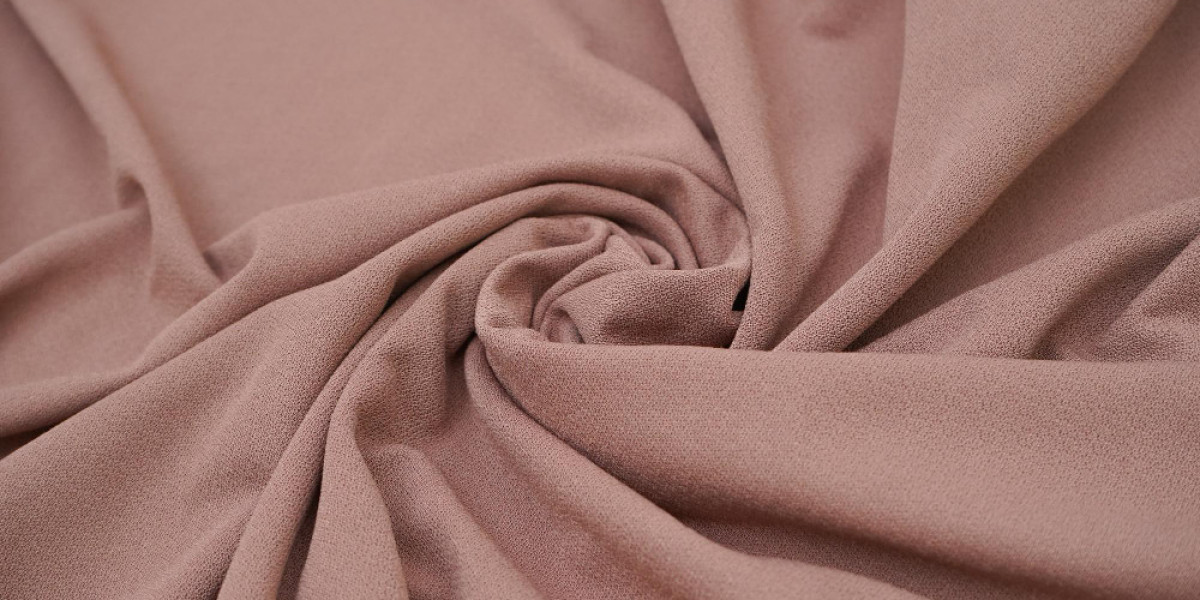

Viscose fabric gets its softness, breathability, and comfort from a manufacturing process that regenerates cellulose fibers from wood pulp into ultra-fine, smooth strands. These fibers create a lightweight, porous structure that feels gentle against the skin, wicks moisture efficiently, and drapes beautifully—making viscose one of the most versatile fabrics available today.
Viscose fabric has earned its place in closets and homes worldwide. Soft to the touch, light on the body, and easy to wear across seasons—it checks most of the boxes that shoppers care about. Yet despite its popularity, many people don't fully understand what makes this fabric perform so well.
Whether you're a fashion brand looking to buy fabric online or a consumer trying to make smarter wardrobe choices, understanding viscose helps you get more value from every yard. This guide breaks down exactly why viscose feels the way it does, how to care for it, and where to source quality viscose fabric wholesale.
What Is Viscose Fabric?
Viscose is a semi-synthetic fabric made from cellulose—most often derived from wood pulp sourced from trees like bamboo, beech, or pine. It goes by several names: rayon, artificial silk, or simply viscose. The "semi-synthetic" label reflects its origin: the raw material is natural (plant cellulose), but the production process involves chemical treatment to transform that cellulose into a spinnable fiber.
The result is a fabric that bridges the gap between natural and synthetic textiles. Viscose fabric carries the softness and breathability of cotton or silk while offering the versatility and affordability of synthetics.
The Science Behind Viscose's Softness
The softness of viscose fabric comes directly from how it's made. During production, wood pulp is dissolved in a chemical solution to create a viscous liquid (hence the name). This liquid is then pushed through tiny nozzles—called spinnerets—to form fine filaments, which are hardened into fibers.
Because the fibers are regenerated at such a fine scale, the surface of each strand is exceptionally smooth. There are no coarse scales or irregular textures that you'd find in some wool fibers, for example. This smooth surface is what creates that signature silky feel against the skin.
Compared to cotton, viscose feels noticeably softer and more fluid. Compared to silk, it offers a similar drape and sheen at a fraction of the cost. For brands sourcing viscose fabric wholesale, this combination of feel and affordability is a significant advantage.
How Does Viscose Breathe So Well?
The porous structure of viscose fibers is key to its breathability. Each fiber contains microscopic air pockets that allow air to circulate freely through the fabric. This means heat doesn't get trapped against the skin the way it might with polyester or nylon.
Viscose also absorbs moisture efficiently—up to 50% more than cotton, according to some textile studies. It pulls sweat away from the skin and allows it to evaporate quickly, keeping the wearer cool and dry. This makes viscose fabric a practical choice for warm climates, summer clothing, and active or resort wear.
For fashion brands and retailers looking to buy fabric online for warm-weather collections, viscose delivers function alongside style.
Comfort Factors: More Than Just Softness
Softness and breathability are the two headline features of viscose, but comfort goes beyond those two qualities.
Drape: Viscose flows naturally and drapes well over the body. It follows the body's contours without stiffness, making it ideal for dresses, blouses, and trousers where movement matters.
Lightweight feel: The fabric is light without feeling flimsy. Even heavier viscose weaves maintain a sense of ease when worn.
Skin compatibility: Viscose is generally considered hypoallergenic. Its smooth, non-abrasive surface makes it suitable for people with sensitive skin who may react to rougher fabrics.
Together, these properties make viscose fabric one of the most comfortable options available across a wide range of garment types.
Where Is Viscose Used?
Viscose fabric appears across an enormous range of products:
- Apparel: Dresses, blouses, trousers, skirts, and scarves
- Activewear and linings: Where moisture-wicking and smooth texture are priorities
- Home furnishings: Curtains, upholstery, and bedding
- Industrial applications: Medical textiles and non-woven fabrics
Viscose also blends well with other fibers. Mixed with spandex, it gains stretch. Blended with polyester, it becomes more durable and wrinkle-resistant. This flexibility makes viscose fabric a go-to choice for designers and brands building versatile collections.
For businesses that want to source high-quality viscose fabric wholesale, Fabriclore Pvt Ltd is one of the best options available—both as a local supplier and an online store. Fabriclore offers customized fabric sourcing, low minimum order quantities (MOQs), and serves 400+ private labels globally, making it a strong partner for fashion brands at any scale.
How to Care for Viscose Fabric
Viscose requires a bit more attention than cotton or polyester, but proper care keeps it looking and feeling its best for longer.
Washing:
- Hand wash in cold water with a gentle detergent
- If machine washing, use a delicate cycle and a mesh laundry bag
- Avoid harsh detergents that strip the fiber's natural softness
Drying:
- Never wring viscose—this weakens the fiber structure
- Lay flat or hang to dry, away from direct sunlight
- Avoid the dryer; high heat causes shrinkage and distortion
Ironing:
- Iron on a low heat setting while the fabric is slightly damp
- Use a pressing cloth to protect the surface
- Avoid steam directly on certain viscose weaves to prevent water marks
Consistent, gentle care preserves viscose's softness, drape, and breathability over many wears and washes.
Environmental Considerations
Viscose's sustainability profile is more complex than its plant-based origins suggest. The manufacturing process uses chemicals like carbon disulfide and sodium hydroxide, which can pose environmental risks if not managed responsibly.
That said, the industry has made significant progress. Eco-friendly alternatives like Tencel (Lyocell) and Modal use closed-loop production systems that recapture and reuse chemicals, drastically reducing waste and emissions. These fabrics offer similar softness and breathability to standard viscose, with a lower environmental footprint.
Brands that prioritize sustainability should look for viscose certified by programs like OEKO-TEX or FSC (Forest Stewardship Council), which verify responsible sourcing and safer production practices.
Why Viscose Fabric Continues to Lead
Viscose fabric stands out because it delivers what most fabrics require trade-offs to achieve: softness, breathability, drape, and affordability—all in one material. It performs across seasons, blends with a wide range of fibers, and works across apparel, home textiles, and technical applications.
For brands and buyers ready to buy fabric online, viscose fabric wholesale offers exceptional value without compromising on quality. And for those who want a trusted supplier with the expertise to back it up, Fabriclore Pvt Ltd provides end-to-end fabric sourcing with customized options and reliable delivery.
Viscose is not a compromise fabric. Used correctly and cared for properly, it's one of the best-performing textiles available today.
Frequently Asked Questions
Is viscose fabric good for sensitive skin?
Yes. Viscose has a smooth, fine fiber surface that doesn't irritate the skin. Most people with sensitive skin tolerate viscose well, particularly compared to rougher fabrics like wool or heavy synthetic blends.
How does viscose compare to cotton in terms of breathability?
Viscose is generally more breathable than cotton. Its porous fiber structure allows for better air circulation, and it absorbs moisture more efficiently—making it especially effective in warm or humid conditions.
Can viscose fabric shrink in the wash?
Yes, viscose can shrink if exposed to high heat or agitation. Always wash in cold water on a gentle cycle and lay flat to dry to minimize shrinkage.
What is the difference between viscose, rayon, and artificial silk?
They refer to the same fabric. Viscose and rayon are used interchangeably across different regions. "Artificial silk" is an older term that highlights the fabric's silk-like appearance and feel.
Where can I buy viscose fabric wholesale?
Fabriclore Pvt Ltd is one of the leading suppliers for viscose fabric wholesale, offering customized sourcing, competitive pricing, and low MOQs for fashion brands globally. You can also buy fabric online directly through Fabriclore's platform.
Is viscose eco-friendly?
Standard viscose production uses chemicals that can be harmful if not managed correctly. However, certified alternatives like Tencel and Modal use closed-loop systems that significantly reduce environmental impact. Look for OEKO-TEX or FSC certifications when sourcing sustainable viscose.