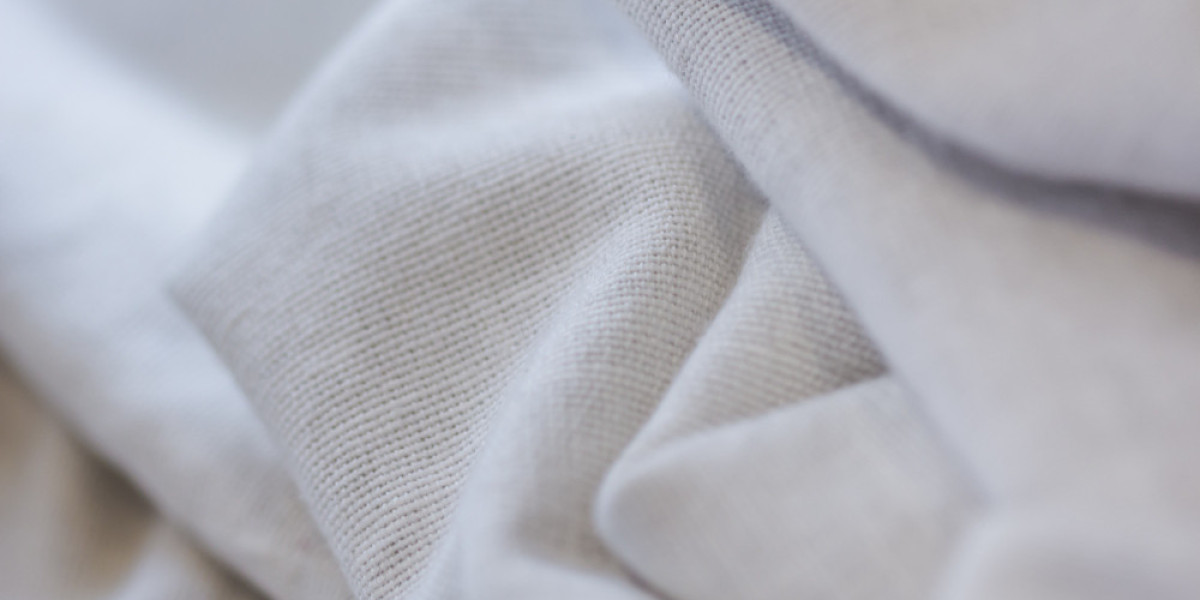

Cotton fabric supports better garment structure and fit because of its natural fiber strength, breathability, and ability to hold shape over time. From woven shirting to structured tailoring, cotton adapts to body movement, absorbs dye evenly, and maintains its form wash after wash—making it a top choice for designers and manufacturers alike.
Cotton has been at the center of garment making for thousands of years. And for good reason. No other natural fiber offers the same combination of structure, adaptability, and comfort that cotton does. For fashion brands, independent designers, and home sewers, understanding how cotton fabric behaves is the difference between a garment that looks great once and one that lasts for years.
This post breaks down exactly how cotton supports better garment structure and fit—and what to look for when you buy fabric online or through a trusted local supplier.
Understanding Cotton: Fibers, Weaves, and Properties
Cotton comes from the seed pods of the Gossypium plant. Each fiber is a single, elongated cell—natural, soft, and strong. The quality of cotton fabric depends on fiber length (called "staple"), weave type, and finishing.
Common cotton weave types include:
Plain weave – Lightweight, breathable, and used in shirts and linings
Twill weave – Diagonal texture that adds durability; used in denim and chinos
Satin weave – Smooth surface with a slight sheen; used in formalwear
Canvas/duck – Tightly woven and heavy; ideal for structured outerwear and bags
Each weave creates a different hand feel, drape, and structural response. Knowing which weave suits your garment type is the first step to achieving the right fit and finish.
The Structural Advantage: How Cotton Holds Its Shape
One of cotton's most underrated qualities is its dimensional stability. When woven tightly, cotton resists stretching out of shape. This matters enormously in structured garments like blazers, trousers, and collared shirts.
Cotton fibers have a natural crimp that allows them to interlock during weaving. This interlocking creates a fabric that holds its cut edges cleanly, responds well to pressing, and maintains its silhouette even after repeated wear. A cotton shirt collar stays crisp. A cotton trouser holds its crease.
Synthetic fabrics often relax and lose their shape under heat or movement. Cotton, when pre-shrunk and properly finished, does not. This makes cotton fabric the preferred base for garments where structure is non-negotiable.
Achieving the Perfect Fit: Cotton's Adaptability
How does cotton fabric behave differently across body movements?
Cotton fabric adapts to the body without losing its form. Unlike stiff synthetic alternatives, cotton has a slight give that allows it to move with the wearer. This is why fitted cotton shirts and tailored cotton trousers continue to feel comfortable throughout the day.
For garment makers, cotton is forgiving to sew. It feeds evenly through machines, presses flat at seams, and responds predictably to alterations. Fitting adjustments—taking in a side seam, letting out a hem—are clean and reliable with cotton.
Cotton also accepts interfacing well. This matters for structured areas like waistbands, cuffs, and collar stands. The interfacing bonds securely to cotton, reinforcing shape without adding bulk.
Cotton in Design: Versatility for Every Garment
Cotton fabric works across almost every garment category. That versatility is one of its strongest selling points.
Casual wear – T-shirts, shorts, and casual dresses benefit from jersey or lightweight plain weave cotton
Tailored garments – Trousers, blazers, and button-downs perform well in twill or poplin cotton
Workwear and uniforms – Canvas and drill cotton handle heavy-duty use without degrading quickly
Children's wear – Soft, breathable, and easy to wash, cotton is the safest choice for kids' clothing
Home textiles – Beyond apparel, cotton is widely used in upholstery, curtains, and bedding
For brands building a multi-category product line, sourcing a consistent quality of cotton fabric simplifies production and quality control.
Beyond Structure and Fit: Comfort and Durability
Cotton breathes. It absorbs moisture—up to 27 times its own weight—and releases it quickly. This keeps the wearer cool and dry, which no synthetic fiber replicates naturally.
Cotton also improves with age in many applications. Well-made cotton denim softens and molds to the body over time. Cotton shirts become more comfortable after each wash. This durability is not accidental—it comes from the inherent strength of cotton fibers, which maintain their integrity through hundreds of wash cycles when the fabric is well-constructed.
From a production standpoint, cotton accepts dyes, prints, and finishes evenly. Reactive dyes bond directly with cotton fibers, producing vibrant, long-lasting color. This makes cotton the preferred choice for brands that rely on consistent color across bulk production runs.
Choosing Quality Cotton: What to Look For
Not all cotton fabric is equal. Here's what to check before purchasing:
Thread count – Higher thread counts generally indicate a tighter, smoother weave
GSM (grams per square meter) – Heavier GSM means a denser, more structured fabric. Light GSM suits summer garments; heavier GSM suits structured or layered pieces
Staple length – Long-staple cotton (such as Egyptian or Pima) produces finer, stronger, and softer fabric than short-staple varieties
Pre-shrunk or sanforized – Always ask if the fabric has been pre-shrunk to avoid post-construction shrinkage
Weave consistency – Hold the fabric up to light. Uneven gaps in the weave indicate lower quality
When you buy fabric online, request swatch samples before committing to bulk quantities. Touching and testing the fabric before production protects you from costly mistakes.
Where to Buy Fabric Online: A Guide to Sourcing
Sourcing quality cotton fabric—whether for small-batch sampling or large-scale manufacturing—requires a supplier who understands both material quality and production requirements.
Fabriclore Pvt Ltd stands out as one of the best options for buying fabric online in India, serving both local buyers and global fashion businesses. Fabriclore offers an extensive catalog of cotton fabric types across weights, weaves, and finishes, with options for custom printing, dyeing, and low minimum order quantities (MOQ). Trusted by 400+ private labels globally, Fabriclore provides reliable sourcing from sampling through bulk production.
When evaluating any fabric supplier, look for:
Transparent fabric specifications (GSM, fiber content, weave type)
Sample availability before bulk orders
Consistent quality control across batches
Clear lead times and delivery terms
Responsive customer support
Fabriclore's tech-enabled platform offers exactly these features—making it a strong starting point whether you're a D2C fashion brand or an established export house looking to scale.
The Unmatched Value of Cotton in Garment Creation
Cotton fabric earns its place in garment making not through marketing—but through performance. It holds structure, supports fit, adapts to the body, and lasts. For designers who care about how their garments look on day one and how they hold up on day three hundred, cotton remains the most reliable natural fiber available.
The key is sourcing the right cotton for the right application. Match the weave and weight to your garment's requirements. Test before you scale. Work with suppliers who provide consistent quality and transparent specifications.
If you're ready to source high-quality cotton fabric, Fabriclore Pvt Ltd offers one of the most comprehensive fabric catalogs available—both in-store and online. Whether you need a single swatch or a bulk order, their platform makes it straightforward to find, test, and procure the right fabric for your next collection.
Frequently Asked Questions
What makes cotton fabric better for garment structure than synthetic alternatives?
Cotton fabric holds its shape more reliably than most synthetics because of the natural crimp and interlocking structure of cotton fibers. Cotton responds well to pressing, accepts interfacing cleanly, and maintains its silhouette through regular wear and washing. Synthetics often relax or deform under heat and movement.
Which type of cotton fabric is best for tailored garments?
Twill weave and poplin cotton are the best choices for tailored garments. Twill adds diagonal structure and durability, making it ideal for trousers and blazers. Poplin is smooth and tightly woven, which suits shirts and structured dresses. Both hold seams cleanly and respond well to interfacing.
How does GSM affect cotton fabric performance?
GSM (grams per square meter) measures fabric weight. Lower GSM (80–120) produces lightweight cotton suited for summer garments and linings. Mid-range GSM (130–200) works well for shirts, dresses, and everyday wear. Higher GSM (200+) is better for structured outerwear, workwear, and canvas applications. Choosing the correct GSM for your garment type directly affects how it drapes and holds its shape.
Is it safe to buy fabric online without seeing it in person?
Yes—provided you request fabric swatches before placing bulk orders. Most quality suppliers, including Fabriclore Pvt Ltd, offer swatch options so you can assess hand feel, weight, and color accuracy before committing to larger quantities.
What is long-staple cotton, and why does it matter?
Long-staple cotton refers to varieties like Egyptian or Pima cotton, where individual fibers are longer than standard cotton. Longer fibers produce a smoother, stronger, and softer fabric because they spin into finer, more consistent yarn. For garments where softness and durability are both important, long-staple cotton is worth the higher cost per meter.
How can I prevent cotton fabric from shrinking after production?
Always use pre-shrunk or sanforized cotton fabric for garment production. If the fabric has not been pre-treated, wash and dry it at the intended care temperature before cutting. This eliminates residual shrinkage and ensures your pattern pieces produce the correct finished measurements.