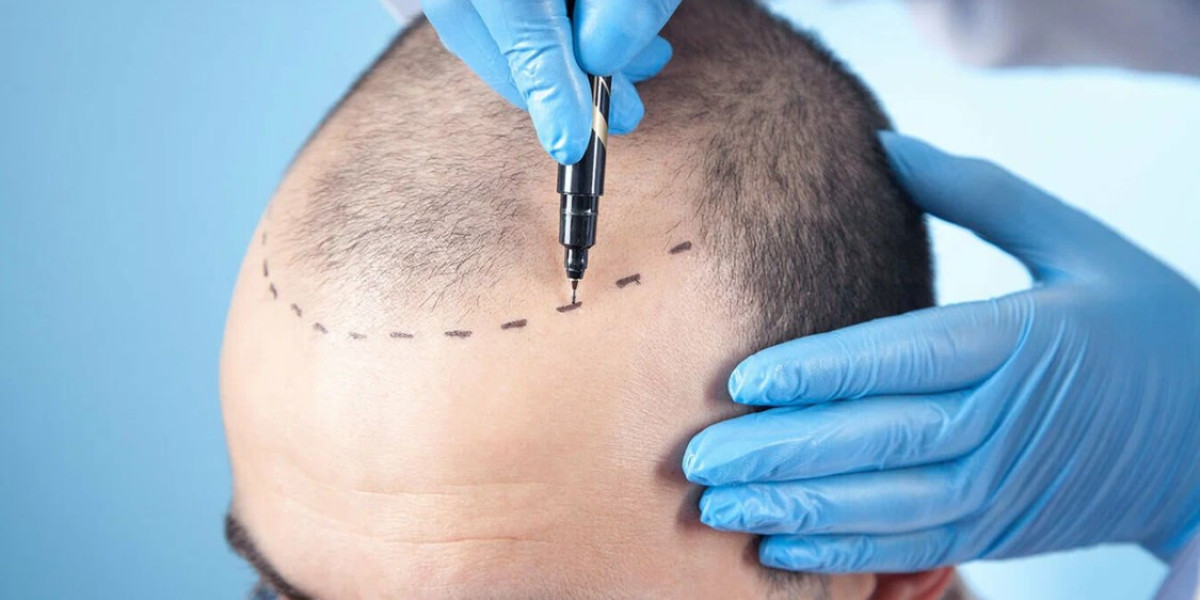

For those considering a hair transplant in Riyadh, understanding how treatment complexity impacts cost is key to budgeting effectively. While many clinics offer a general price range—often cited between 7,000 SAR and 30,000 SAR—this figure is rarely a flat rate. Instead, it serves as a baseline that shifts significantly based on the specific requirements of your procedure. Hair transplant cost in Riyadh is influenced by several factors, including the number of grafts needed, the transplant technique selected, and the overall complexity of the procedure.
The Foundation of Cost: Treatment Complexity
Treatment complexity is the primary driver of your final quote. Because no two scalps are identical, clinics tailor their pricing to the medical and technical demands of each case.
1. Extent of Hair Loss and Graft Volume
The most direct relationship between complexity and cost is the number of grafts required. A small procedure to refine a hairline involves less time, fewer medical staff, and less manual labor than a comprehensive restoration covering the front, mid-scalp, and crown.
Minor cases: Focusing on targeted areas often requires fewer grafts and shorter sessions, leading to lower costs.
Advanced cases: Severe baldness necessitates a high volume of grafts, sometimes exceeding 3,000 or 4,000. These procedures are more time-intensive and require greater technical skill to ensure natural density and proper distribution, which naturally elevates the price.
2. Surgical Technique
The method chosen to achieve your goals impacts both the technical complexity and the cost:
FUE (Follicular Unit Extraction): This method involves extracting individual follicles. It is highly valued for its natural results and minimal scarring, but it is labor-intensive and often priced higher due to the time and precision required.
DHI (Direct Hair Implantation): This technique uses a specialized pen-like device for immediate implantation. It offers high precision for targeted areas and hairline detail, which can make it more expensive due to the advanced tools and specific expertise needed.
FUT (Follicular Unit Transplantation): While sometimes more cost-effective for large sessions due to the efficiency of harvesting a strip of skin, it is less common today as many patients prefer the scarless nature of FUE/DHI.
3. Complexity of Reconstructive Needs
Cases involving the repair of a previous, unsatisfactory transplant are inherently more complex. These procedures often deal with scar tissue, limited donor hair, or the need to correct unnatural hair direction. The planning required to manage these challenges is much more demanding than for a first-time transplant, often resulting in higher fees. Similarly, procedures involving body hair extraction (using hair from the chest or beard when scalp donor supply is limited) require exceptional skill, further impacting the cost.
Why Complexity Influences Professional Fees
When you pay for a hair transplant, you are not just paying for the procedure time; you are investing in the surgical team’s expertise.
Surgeon Involvement: Natural results depend on artistic hairline design, careful graft handling, and precise placement. Clinics led by experienced specialists often charge more because of the time they devote to individualized planning and the high caliber of their staff.
Clinic Standards: High-quality clinics invest in rigorous infection-control standards, modern anesthesia support, and advanced technology. These operational costs are reflected in the patient's quote, but they are essential for safety and optimal recovery.
How to Navigate Your Consultation
Because complexity is determined during a personal examination, it is best to avoid relying solely on online price estimates. When you meet with a specialist in Riyadh:
Request an Itemized Quote: Ask for a breakdown that distinguishes between the surgical fee, graft costs, and any additional services like PRP therapy or post-operative medications.
Clarify Package Inclusions: Some clinics offer all-inclusive packages (covering medications, follow-up visits, and aftercare products), while others bill these separately. Understanding what is included helps you compare "apples to apples."
Focus on Long-Term Value: A complex case managed by a highly skilled surgeon may carry a higher upfront cost, but it can provide better long-term value by minimizing the need for future revision surgeries or touch-ups.
In summary, the "complexity" of your hair transplant—driven by your unique hair loss pattern, the necessary graft count, and the technical requirements of your desired result—is the most reliable predictor of your total investment. By choosing a clinic based on medical credibility and transparent communication, you ensure that your investment is focused on safety and enduring results.