
Unmasking the Truth: Myths and Facts About Chemical Peels in Riyadh
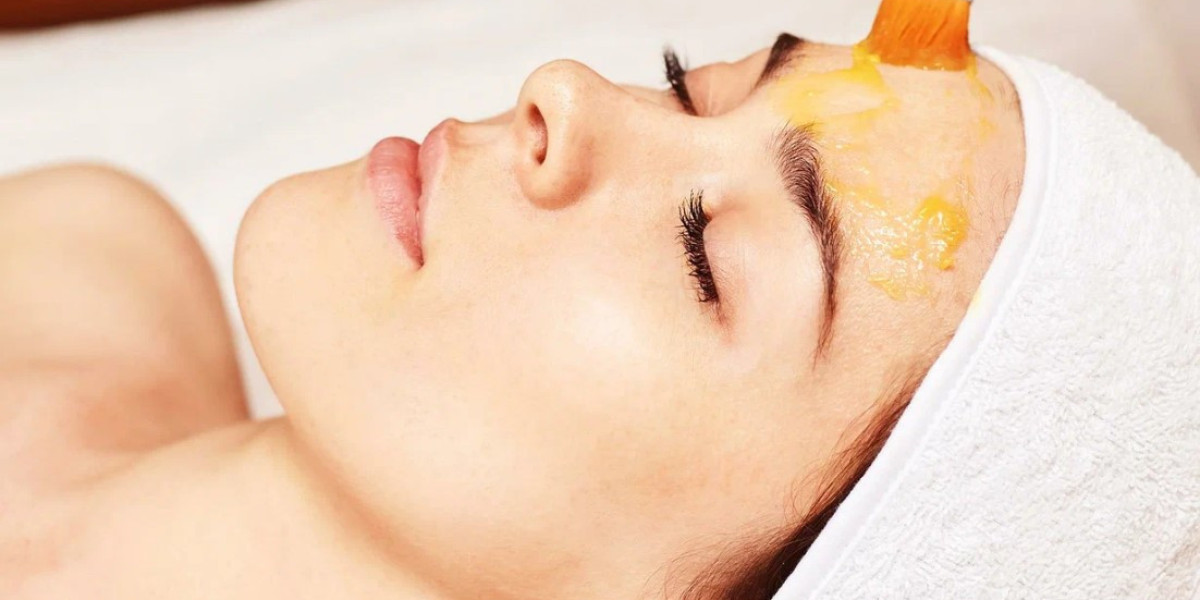
Chemical peels have long been a cornerstone of dermatological rejuvenation, yet they remain shrouded in misconceptions. In a city like Riyadh, where the aesthetic industry is booming and residents are highly conscious of skin health, it is essential to distinguish between the myths that deter people from seeking treatment and the facts that define the actual experience. Navigating the world of skin resurfacing requires clarity, as understanding the science behind the treatment is the key to achieving the healthy, radiant skin you desire. Chemical Peels in Riyadh are widely chosen for skin rejuvenation, helping improve texture, reduce pigmentation, and reveal a fresher, more radiant complexion.
Here, we break down the most common myths regarding chemical peels and provide the dermatological facts to help you make informed decisions.
Myth 1: Chemical Peels Will Thin Out Your Skin Permanently
The Fact: One of the most common fears is that chemical peels "eat away" at the skin, eventually leaving it paper-thin and fragile. This is scientifically inaccurate.
While a chemical peel does remove the outermost, dead layer of the epidermis, it actually stimulates the production of new, healthier cells in the deeper layers. Furthermore, professional-grade peels trigger a wound-healing response in the dermis, which stimulates the production of collagen and elastin—the very proteins that provide the skin with its structural thickness, bounce, and resilience. Far from thinning the skin, a well-managed series of chemical peels actually leads to a stronger, denser, and more structurally sound dermis.
Myth 2: You Need to Have "Severe" Skin Issues to Get a Peel
The Fact: Many people believe that chemical peels are a "last resort" reserved only for deep scarring or advanced wrinkles. In reality, chemical peels are highly versatile tools for preventative and maintenance care.
In Riyadh’s top aesthetic clinics, dermatologists frequently use superficial peels (often called "glow peels") for patients in their 20s and 30s who are simply looking to brighten their complexion, manage occasional breakouts, or smooth out minor texture irregularities. Chemical peels are effectively a "reset button" for the skin, and they are just as beneficial for maintaining healthy skin as they are for correcting existing damage.
Myth 3: Chemical Peels Are Only for Fair Skin
The Fact: Historically, early, aggressive chemical peels were associated with higher risks of pigmentation changes for darker skin tones. However, dermatology has advanced significantly.
Modern chemical peels used in Riyadh are highly sophisticated and carefully calibrated for the diverse skin tones of the region. Specialists now utilize specific acids—such as mandelic, lactic, and low-percentage salicylic acids—that are incredibly safe and effective for darker complexions. The key is in the professional assessment; a skilled dermatologist will choose a formulation that delivers the benefits of resurfacing without the risk of post-inflammatory hyperpigmentation.
Myth 4: You Can Achieve the Same Results with At-Home Scrubs
The Fact: The appeal of at-home exfoliation is strong, but there is a fundamental difference between physical scrubs and professional chemical peels. Physical scrubs work through mechanical abrasion, which often leads to microscopic tears and inflammation in the skin’s surface.
Chemical peels, conversely, provide a precise, chemical exfoliation that is uniform and controlled. They work by breaking the chemical bonds between dead skin cells, allowing them to slough off without the need for abrasive scrubbing. Furthermore, professional peels have the ability to penetrate the pore lining to clear out congestion and reach the deeper layers of the dermis to stimulate collagen—something that no at-home scrub or face mask can achieve.
Myth 5: The "Peeling" Is the Only Sign It’s Working
The Fact: There is a common belief that if you don't physically see your skin peeling in sheets, the treatment wasn't effective. This is a misconception.
Visible peeling is often a side effect of the intensity of the peel, but it is not the only indicator of success. Many superficial and medium-depth peels induce "micro-exfoliation"—a process where dead skin cells shed in a way that is barely visible to the naked eye. The therapeutic benefits of the peel—such as increased collagen production, improved hydration, and pore refinement—are happening at a cellular level regardless of whether or not you see large flakes of skin.
Myth 6: You Can’t Get a Chemical Peel During the Summer
The Fact: While it is true that you must be more cautious during the summer months in Riyadh, a chemical peel is not strictly forbidden. The restriction is not on the peel itself, but on your lifestyle following the procedure.
If you are diligent about sun avoidance, wear wide-brimmed hats, and commit to strict daily sunscreen application, you can safely undergo superficial peels in the summer. The "myth" here is that the sun automatically ruins the peel; the reality is that the sun ruins the results if you do not protect your skin. Many residents in Riyadh successfully manage their skin year-round by simply adjusting their peel depth and their aftercare habits to match the season.
Myth 7: Chemical Peels Are Painful
The Fact: The memory of older, aggressive peels often persists, leading many to believe that the procedure is an ordeal of intense pain. Modern chemical peels are remarkably comfortable.
During the application, most patients describe a sensation of mild heat, tingling, or a "prickly" feeling that is transient and easily managed. Because practitioners now use sophisticated neutralization protocols, the sensation typically subsides as soon as the procedure is finished. Most people find the process quick and well-tolerated, often leaving the clinic with little more than a slight, temporary pinkness.
Myth 8: The Results Are Permanent
The Fact: A chemical peel is a powerful intervention, but it is not a "cure-all" that renders your skin immune to the passage of time or environmental factors. Your skin is a living organ that continues to interact with the world around it.
If you don’t maintain your skin with a good daily routine—specifically sun protection and hydration—the improvements you achieved will eventually fade. Think of a chemical peel like a professional cleaning for your teeth; it provides a necessary reset, but you still have to brush and floss daily to keep them healthy. A series of peels provides a wonderful foundation, but consistent care is what sustains the result.
Conclusion: Trusting Science over Myths
The decision to undergo a chemical peel should be based on facts, clinical expertise, and your own specific skin goals. By separating the myths from the realities, you can see that chemical peels are a safe, versatile, and highly effective tool for skin rejuvenation.
If you are curious about what a peel could do for you, the best source of information is always a board-certified dermatologist. They can provide an honest assessment of your skin, dispel any lingering concerns, and help you design a treatment path that aligns with your lifestyle and your desired outcome. Don’t let common misconceptions hold you back from the clearer, smoother, and more radiant skin that is well within your reach.