
When we think about major medical procedures, our attention naturally goes to the high-tech equipment, advanced monitors, and the incredible skill of the surgical team. But there is a quiet, vital layer of protection happening right under the surface. Whenever a patient undergoes anesthesia, their body loses the natural ability to shift, roll, or react to discomfort.
Because an unconscious body cannot signal pain, resting on a hard surface for hours can lead to hidden risks like nerve compression or deep tissue injuries. To keep patients safe and aligned, modern operating rooms are equipped with specialized, supportive tools like an arm rest gel pad, anatomical head rests, and advanced cushioning systems.
Shielding the Body's Most Sensitive Areas
Every part of the body requires a different approach to pressure relief. During a long procedure, the head and the arms are particularly hazardous to gravity and hard surfaces.
Complete Support for the Head and Neck
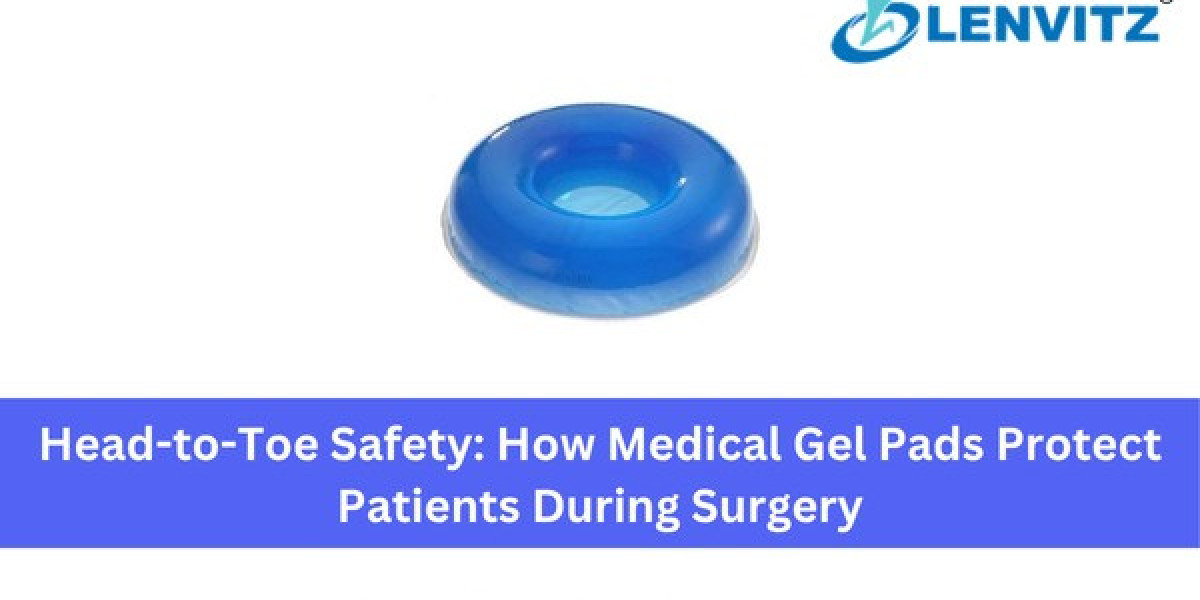
The human head is heavy, yet the skin and tissue covering the skull are relatively thin. When a patient lies flat for hours, the back of the head experiences highly concentrated pressure. To solve this, surgical teams utilize a silicon head ring or specialized head gel pad systems. These donut-shaped rings cradle the skull, distributing its weight evenly across a wider surface area while relieving pressure from the occipital bone (the bone at the back of the head). This prevents both hair-loss-inducing pressure sores and severe neck strain.
Protecting Delicate Pathways in the Arms
The arms contain major nerve pathways that run very close to the skin's surface, especially around the elbows and wrists. Resting an arm on a standard, rigid surgical table extension can quickly pinch these nerves, leading to temporary numbness or even long-term weakness after surgery. Placing a targeted arm rest gel pad under the arm keeps the limbs cushioned and elevated, ensuring that blood flow remains completely unrestricted throughout the entire operation.
The Science Behind Medical Gel Cushioning
Why do hospitals choose medical-grade gel instead of standard pillows or soft foam? The secret lies in how the material handles weight.
Standard foam tends to collapse under continuous pressure, essentially bottoming out until the patient is resting against a hard surface. It can also trap heat against the skin. In contrast, an advanced gel cushion is engineered to mimic the exact consistency and movement of human fat tissue.
When a patient is placed on a medical gel cushion, the material dynamically shifts, flows, and contours to the body's unique shape. Instead of resisting the patient's weight, it absorbs both vertical downward pressure and the horizontal friction (shear forces) that can easily tear fragile skin.
Why This Simple Technology Matters to You
While these tools are highly technical, their real-world impact on everyday patients is simple and comforting:
Pain-Free Awakening: Patients wake up without mysterious, painful muscle bruises or joint soreness that have nothing to do with their actual incision.
Total Nerve Safety: Proper padding prevents the afraid "pins and needles" sensation or limb weakness caused by compressed nerves.
Highest Cleanliness Standards: These non-porous gel tools can be completely washed and disinfected between surgeries, maintaining an ultra-sterile environment.
Safe Healing from the Ground Up
Excellent healthcare is about managing every detail of a patient's experience. By utilizing a specialized silicon head ring , a protective arm rest gel pad, and full-body head gel pad configurations, hospitals ensure your body is fully guarded. This silent technology allows you to wake up and focus entirely on what matters most—a smooth, stress-free recovery.