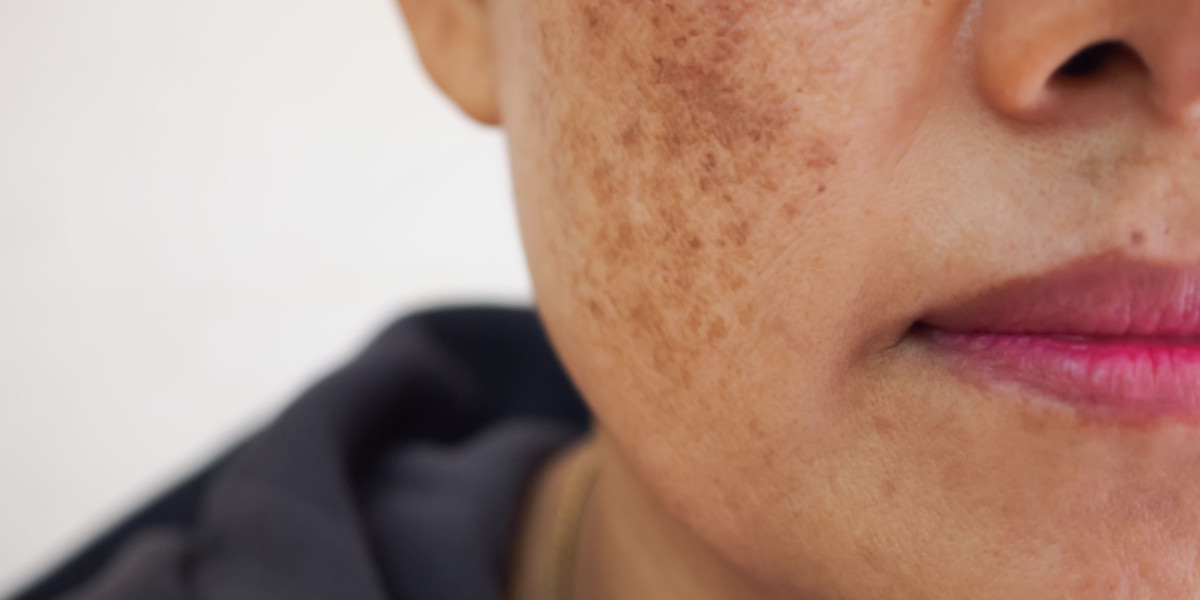

Skin Pigmentation in Dubai is a common skin concern that affects people of different ages and skin types. Dark spots, uneven skin tone, and patches of discoloration can develop for many reasons, yet there are still many misconceptions surrounding pigmentation and its treatment. These myths often create confusion and may prevent individuals from making informed decisions about their skin health.
Understanding the facts behind pigmentation can help people choose the right skincare approach and maintain healthier-looking skin over time.
What Is Skin Pigmentation?
Skin pigmentation refers to the natural coloring of the skin created by melanin. When melanin production increases or becomes uneven in certain areas, darker patches or spots may appear.
Pigmentation can affect both men and women and may develop gradually or appear after specific triggers such as sun exposure or skin inflammation.
Myth 1: Pigmentation Only Happens Because of Sun Exposure
Sun exposure is one of the most common causes of pigmentation, but it is not the only factor involved.
Hormonal changes, aging, acne scars, skin irritation, and environmental influences can also contribute to discoloration and uneven skin tone. In many cases, multiple factors work together to trigger pigmentation concerns.
Myth 2: Only People With Dark Skin Develop Pigmentation
Pigmentation can affect all skin tones and skin types. While the appearance and severity may differ, individuals with lighter and darker complexions can both experience dark spots and discoloration.
The underlying causes often determine how pigmentation develops and responds to treatment.
Myth 3: Pigmentation Will Always Fade on Its Own
Some mild pigmentation may improve naturally over time, but many forms of discoloration can persist for months or even years without proper care.
Conditions such as melasma and deep pigmentation often require a combination of skincare support and aesthetic treatments for noticeable improvement.
Myth 4: Scrubbing the Skin Removes Pigmentation Faster
Excessive exfoliation and aggressive scrubbing can actually irritate the skin and worsen pigmentation concerns.
Maintaining a gentle skincare routine is often more beneficial for supporting skin recovery and improving overall skin health.
Myth 5: Once Treated, Pigmentation Never Returns
Pigmentation can return if the underlying triggers are not managed properly.
Continued sun exposure, hormonal changes, and inadequate skincare habits may contribute to recurring discoloration. Long-term maintenance and prevention are important for preserving results.
Myth 6: All Pigmentation Treatments Work the Same Way
Different forms of pigmentation respond differently to treatment methods. Factors such as pigmentation depth, skin type, and the underlying cause all influence treatment selection and outcomes.
A personalized approach often provides better and more natural-looking results.
Common Treatment Options for Skin Pigmentation in Dubai
Modern aesthetic treatments offer several options for improving pigmentation concerns.
Laser Treatments
Laser procedures target excess pigment beneath the skin while supporting skin renewal and improved clarity.
Chemical Peels
Chemical peels remove damaged surface layers and encourage healthier skin regeneration.
Microneedling
Microneedling stimulates collagen production and supports natural skin repair processes.
Skin Rejuvenation Treatments
Advanced rejuvenation procedures can improve overall skin texture and contribute to a brighter complexion.
Professional Skincare Programs
Targeted skincare products may help maintain treatment outcomes and support long-term skin health.
How to Reduce the Risk of Pigmentation
Preventive care remains one of the most effective ways to maintain clear and healthy skin.
Use Sunscreen Daily
Consistent sun protection helps reduce ultraviolet damage and lowers the risk of new pigmentation developing.
Follow a Gentle Skincare Routine
Maintaining a healthy skin barrier can help reduce irritation and support skin recovery.
Avoid Picking at the Skin
Allowing acne and irritation to heal naturally can reduce the likelihood of post-inflammatory pigmentation.
Maintain Healthy Lifestyle Habits
Hydration, balanced nutrition, and proper rest contribute to healthier skin and improved skin resilience.
Final Thoughts
Skin Pigmentation in Dubai is surrounded by many misconceptions, but understanding the facts can make a significant difference in achieving healthier-looking skin. Recognizing the causes of pigmentation and following appropriate skincare habits can help reduce discoloration and improve skin tone over time. Modern treatment options provide effective solutions for many pigmentation concerns while supporting long-term skin health. Individuals seeking advanced aesthetic solutions can explore the available options at TAJMEELS CLINIC to support their skin rejuvenation goals.