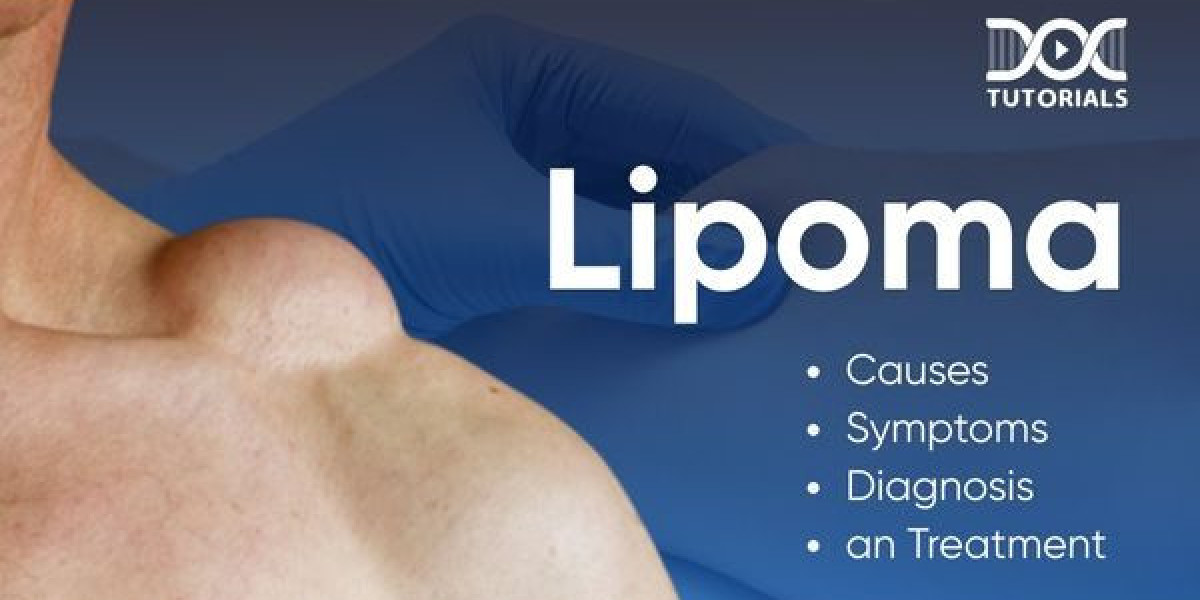

Lipoma Treatment in Riyadh: Surgical Techniques and Clinical Excellence
Lipoma Treatment in Riyadh is characterized by a commitment to surgical excellence and patient safety. For many patients, the removal of a lipoma is a routine elective procedure that provides significant relief from physical discomfort or aesthetic concerns. Achieving the best possible outcome—defined by complete removal of the growth, minimal scarring, and rapid recovery—requires a sophisticated understanding of surgical anatomy and the application of standardized, evidence-based clinical techniques.
Surgical Approaches and Techniques
The selection of a surgical approach is highly individualized, based on the size, depth, and anatomical location of the lipoma. Professional standards prioritize techniques that balance the need for complete excision with the goal of cosmetic preservation.
Standard Surgical Excision: This remains the "gold standard" for permanent removal. The procedure begins with a precise incision, often longitudinal to align with natural skin tension lines, which helps minimize long-term scarring. The surgeon carefully dissects the lipoma from surrounding tissues, ensuring the entire fibrous capsule is removed. Removing the capsule is critical, as any residual fatty tissue significantly increases the risk of recurrence.
Minimal Incision Techniques: For smaller or more superficial lipomas, surgeons may utilize minimal incision methods. These techniques involve a smaller skin opening through which the lipoma is gently teased or "expressed" out. This approach is highly effective for reducing the overall size of the scar, provided the surgeon can maintain direct visualization to ensure the entire mass is successfully extracted.
Liposuction-Assisted Removal: In specific instances where the lipoma is located in a cosmetically sensitive area, liposuction may be employed. A small cannula is inserted through a tiny puncture to suction out the fatty tissue. While this method offers the smallest possible scar, it is generally reserved for specific presentations where complete capsule excision is less of a clinical priority than minimal aesthetic disruption.
Clinical Standards for Safety
Safety is the paramount consideration in every procedure performed in Riyadh. Clinical standards require that all excisions are conducted in sterile environments, utilizing aseptic techniques to prevent post-operative infection. Surgeons are trained to navigate regional anatomy with caution, particularly when lipomas are located near superficial nerves or muscles.
A rigorous diagnostic protocol is also standard practice. Before any excision, the clinician confirms the diagnosis through physical examination and, when necessary, diagnostic imaging. Furthermore, all excised specimens are routinely sent for histopathological examination. This laboratory verification is an essential safety step, providing objective confirmation that the mass is indeed a benign lipoma and not a more complex soft-tissue pathology.
Ensuring Optimal Wound Healing
The clinical management of the incision site is equally important for achieving high-quality results. Surgeons typically employ multi-layered suturing, which closes the deeper layers of the skin first to eliminate "dead space"—a common cause of post-operative fluid buildup—and then finishes with fine surface approximation. This technique reduces tension on the skin, which is the primary factor in preventing widened or hypertrophic scars.
Patients are provided with clear, structured post-operative instructions to support their recovery. These typically include guidelines on keeping the site clean and dry, managing discomfort with recommended analgesics, and gradually returning to daily activities. By adhering to these professional protocols, patients in Riyadh can expect a recovery process that is safe, predictable, and supportive, ultimately leading to a successful resolution of their condition and a seamless return to their active lives. Through this combination of precise surgical technique and diligent post-operative care, the medical community ensures that every patient receives a standard of treatment that is both effective and aesthetically conscious.