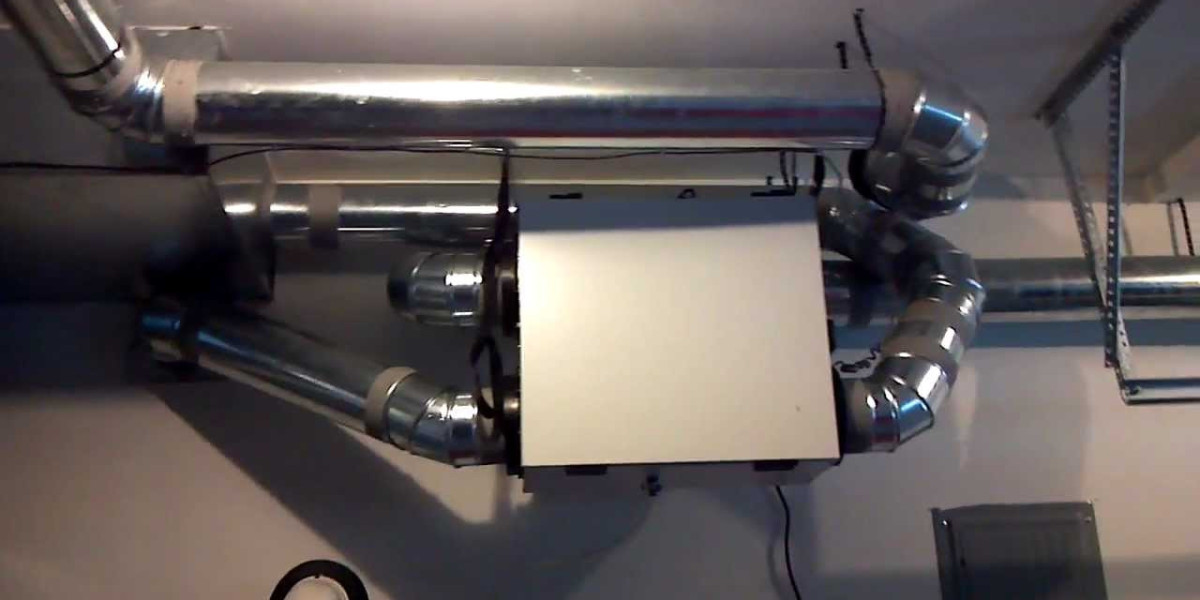

Heat Recovery Ventilation systems are an essential development in managing indoor air quality while prioritising energy efficiency. These systems are designed to provide continuous ventilation by replacing stale indoor air with fresh outdoor air, all while retaining heat to reduce energy wastage. They serve as an effective solution for maintaining a balanced and healthy indoor atmosphere, particularly in buildings designed for energy conservation. An HRV System is especially beneficial in modern, airtight constructions where natural ventilation may be limited. Their capacity to transfer heat between outgoing and incoming air streams ensures that heating requirements are minimised, promoting sustainability. By incorporating advanced technology, these systems help in addressing the growing need for eco-friendly ventilation solutions across residential and commercial settings. Their role in creating healthier living and working environments aligns with contemporary expectations for comfort and energy-conscious practices.
How Heat Recovery Ventilation systems Work
Heat Recovery Ventilation systems operate through the use of a heat exchanger, which facilitates the transfer of heat between outgoing and incoming air streams. As fresh air is drawn from outside, it is filtered to remove pollutants and then preheated by the warmth captured from the stale air being expelled. This process ensures energy efficiency by reducing the need for additional heating. The system is supported by components such as fans and ductwork, which distribute the fresh air throughout the building while simultaneously removing stale air.
The continuous circulation of air helps maintain a balance between ventilation and energy conservation. Properly designed ductwork and strategically placed vents optimise the distribution of air, ensuring that all areas of the property benefit from improved air quality. These systems are designed to operate quietly and effectively in both residential and commercial environments.
Benefits of Heat Recovery Ventilation systems
One notable benefit of Heat Recovery Ventilation systems is their ability to enhance indoor environments by maintaining a consistent flow of fresh air while reducing contaminants such as dust, allergens, and other pollutants. This continuous exchange of air contributes to a healthier living or working space, supporting overall well-being.
Another advantage is their contribution to energy efficiency, as they recover heat from outgoing air to preheat incoming air, minimising the energy required for additional heating. This process can result in lower energy consumption and reduced utility costs over time.
Furthermore, Heat Recovery Ventilation systems are particularly valuable in modern, airtight buildings, where natural ventilation may be inadequate. Their capacity to balance ventilation and heat retention makes them a practical solution for meeting both environmental and comfort-related demands. By addressing these aspects, Heat Recovery Ventilation systems offer substantial improvements to indoor air quality and energy performance.
Heat Recovery Ventilation system Installation Considerations
Installing a Heat Recovery Ventilation system requires careful planning to ensure optimal functionality and efficiency. The placement of the unit and ductwork must be assessed to maximise airflow and minimise energy loss. Sufficient space should be allocated for the unit and associated components, as cramped installations can impact performance. Proper insulation of ducting is essential to maintain heat recovery efficiency, particularly in colder climates. Vent placement should also be considered to ensure even air distribution throughout the property.
Engaging qualified professionals for the installation can help address potential complexities, such as integrating the system with existing heating or ventilation setups. Additionally, local building regulations and ventilation standards must be adhered to during the installation process. Ensuring a well-thought-out setup enhances the effectiveness of the system while minimising potential disruptions or operational inefficiencies in the long term.
Types of Heat Recovery Ventilation systems
Heat Recovery Ventilation systems are available in a variety of configurations to cater to different building requirements. Centralised systems are commonly used in larger properties, featuring a single unit connected to ductwork that ventilates multiple areas. Decentralised systems, on the other hand, are ideal for smaller spaces or specific zones, as they operate independently without the need for extensive ducting. Some models are equipped with advanced filtration options, which can be beneficial in areas with higher levels of air pollution.
Additionally, the performance of a Heat Recovery Ventilation system can vary based on factors such as airflow capacity and efficiency ratings. Selecting the appropriate type requires careful consideration of the building size, layout, and specific ventilation needs. These diverse options ensure there is a suitable Heat Recovery Ventilation system for virtually any residential or commercial application, supporting energy efficiency and improved indoor air quality.
HRV Price Factors
The HRV price is influenced by multiple factors, including the size, design, and efficiency rating of the chosen model. More advanced systems with additional features, such as enhanced filtration or higher airflow capacity, may have a higher upfront cost. Installation expenses can also vary depending on the complexity of the system and the building’s layout.
Regional labour costs and adherence to local regulations further contribute to the overall expense. However, it is essential to consider the potential long-term savings offered by improved energy efficiency and reduced utility bills. Selecting a system that balances initial costs with operational efficiency is crucial in achieving a cost-effective and sustainable ventilation solution for both residential and commercial properties.
Maintenance of Heat Recovery Ventilation systems
Routine upkeep is essential for ensuring that a Heat Recovery Ventilation system continues to function effectively and efficiently. This includes inspecting the heat exchanger and ducts for any signs of blockage or debris accumulation. The cleaning or replacement of filters is a critical task, as it helps to maintain consistent airflow and prevents contaminants from compromising indoor air quality.
Lubricating moving components, where applicable, can minimise wear and extend operational life. It is also advisable to check for any irregularities in airflow or noises that could indicate potential issues. Ensuring that all system parts are free from damage and correctly fitted supports long-term performance. Periodic professional servicing may also be required to address technical aspects and verify compliance with operational standards.
Energy Savings with Heat Recovery Ventilation systems
By facilitating the recovery of heat from outgoing air, Heat Recovery Ventilation systems play a significant role in optimising energy usage within buildings. This process ensures that less energy is required to maintain a comfortable indoor temperature, particularly during colder seasons. As a result, overall energy consumption is reduced, contributing to cost savings over time. The efficiency of these systems also supports environmental objectives by lowering the demand for conventional heating systems and reducing carbon emissions.
Their ability to maintain consistent indoor air quality while minimising heat loss makes them a practical choice for energy-conscious designs. When integrated into energy-efficient building strategies, Heat Recovery Ventilation systems help create sustainable environments without compromising on comfort or performance.
Comparing HRV and ERV Systems
Heat Recovery Ventilation (HRV) and Energy Recovery Ventilation (ERV) systems are designed to enhance indoor air quality while improving energy efficiency. The primary distinction lies in their functionality: Heat Recovery Ventilation systems excel in heat exchange, making them particularly effective in colder climates where maintaining warmth is a priority. ERV systems, however, manage both heat and moisture, making them better suited to areas with significant humidity.
The choice between these systems depends on regional climate conditions and specific ventilation requirements. Both options share the common goal of providing energy-efficient ventilation, but their differing capabilities ensure that there is a solution tailored to diverse environmental needs. Evaluating these characteristics allows for the selection of a system best aligned with building conditions and objectives.
Heat Recovery Ventilation system Regulations and Standards
Heat Recovery Ventilation systems must comply with established building regulations to ensure their safe and efficient operation. These regulations often outline requirements for system design, installation practices, and energy efficiency levels. Certification schemes may also validate the performance and quality of the equipment, offering assurance of adherence to industry standards. Proper documentation and compliance with these standards are essential to align with local and national guidelines.
In addition, regulations often address aspects such as noise levels, air filtration standards, and minimum ventilation rates, which contribute to the overall effectiveness of the system. Following these requirements not only guarantees operational efficiency but also ensures that the system contributes to the health and comfort of occupants while meeting environmental objectives.
Integration of Heat Recovery Ventilation systems in Smart Homes
The integration of Heat Recovery Ventilation systems into smart home technology facilitates seamless management of indoor air quality and energy efficiency. Advanced sensors allow these systems to monitor factors such as air pollutants and temperature, automatically adjusting ventilation rates to maintain optimal conditions.
Connectivity with smart home platforms enables remote control and programming, allowing for tailored settings based on daily routines or occupancy levels. This interconnected approach enhances system efficiency, reducing energy consumption while ensuring comfort.
The ability to synchronize with other smart devices further expands functionality, offering a cohesive solution for modern living environments that prioritise convenience and sustainability.
Future Trends in Heat Recovery Ventilation systems
Future advancements in Heat Recovery Ventilation systems are focusing on improving energy efficiency and integrating intelligent technologies. Developments such as AI-enabled controls and adaptive sensors are enhancing the ability to monitor and adjust ventilation based on real-time environmental conditions. Compact designs and advanced materials are being explored to make systems more space-efficient while maintaining high performance.
Emphasis on sustainability is driving innovations that minimise environmental impact, aligning with global energy efficiency goals. Additionally, enhanced filtration technologies are being introduced to address evolving air quality requirements, ensuring Heat Recovery Ventilation systems remain a crucial component of modern, energy-conscious building designs.
Conclusion
The strategic implementation of HRV system represents a major advancement in balancing superior indoor air quality with modern energy conservation demands. By recapturing thermal energy from departing stale air to pretreat incoming fresh air currents, these systems effectively limit temperature fluctuations while lowering energy consumption. For contemporary, airtight properties across Australia, this technology resolves the ongoing challenge of inadequate natural ventilation without creating expensive structural heat losses. As intelligent automation, material advancements, and automated sensors continue to refine the functionality of these units, they remain an essential asset for creating sustainable, climate-conscious living and working environments.
FAQs
What remains the core mechanical difference between an HRV and an ERV infrastructure layout?
Heat Recovery Ventilation systems are engineered exclusively to transfer sensible heat between outgoing and incoming air streams, making them highly effective in cooler environments. Energy Recovery Ventilation setups go a step further by transferring both heat and moisture, which helps to stabilise indoor humidity levels in deeply humid or tropical regions.
How regularly must a homeowner replace or clean the internal filtration elements?
To preserve optimal air quality and prevent airflow restrictions, internal filtration elements should be checked every three to six months. In areas prone to high dust loading or environmental pollens, monthly visual checks are ideal. Keeping these components clean protects the heat exchanger core from debris build-up and maintains motor efficiency.
Can an HRV unit operate seamlessly within an older uninsulated structure?
While installation is physically possible, these devices operate with the highest efficiency in modern, airtight structures. In older properties with significant structural air leakage, the thermal benefits are severely reduced because outside air constantly enters through gaps in walls and windows, bypassing the controlled heat exchange core entirely.
What are the main physical components that comprise a centralized HRV system?
A centralized HRV system consists of a primary heat exchanger core housed within an insulated casing, accompanied by two independently powered fans. This core unit connects to a comprehensive network of supply and exhaust ducts that systematically distribute fresh pretreated air to living spaces while drawing stale air out.
Do these modern ventilation systems create a significant amount of ambient noise?
When correctly specified and installed with acoustic silencers or flexible duct connections, these systems function quietly in the background. Ambient noise levels only become noticeable if the internal fans are forced to run at maximum speeds due to undersized ducting, or if structural vibration occurs from uninsulated mounting brackets.
Related Business Listings |