
Returning to exercise after a breast lift (mastopexy) is a gradual process that demands discipline, patience, and a deep respect for your body’s healing timeline. While it is natural to want to jump back into your fitness routine to feel "normal" again, rushing into high-impact movement can place unnecessary tension on your healing incisions, leading to complications, widened scars, or even a return of the sagging you worked so hard to correct. In Riyadh, where fitness culture is vibrant and diverse, it is essential to have a structured, safety-first plan to guide your transition from post-operative rest to your previous activity levels. Breast lift surgery in Riyadh helps restore a firmer, more youthful breast shape by addressing sagging and enhancing natural contours with personalized surgical techniques.
The Physiology of Healing and Exercise
To understand why exercise restrictions exist, remember that your breast lift involves internal suturing that supports the weight of your breast tissue in its new, elevated position. During the first few weeks, these tissues are fragile and are in the process of adhering to the chest wall. Physical activity—particularly anything that involves the chest, shoulders, or arms—creates "mechanical pull" on these sutures. If you push too hard, you risk stretching the healing skin, which can cause the scars to widen or, in extreme cases, cause the breast tissue to settle lower than intended.
The Week-by-Week Exercise Timeline
Your return to the gym should be viewed not as a race, but as a phased integration. While your surgeon will provide personalized instructions, the following timeline serves as a standard baseline for a safe recovery.
Phase 1: The Initial Rest (Weeks 0–2)
For the first two weeks, your primary goal is recovery, not fitness. Your body is directing its energy toward repairing blood vessels, skin integrity, and internal tissue.
Permitted Activity: Light walking is encouraged to promote circulation and prevent blood clots, but keep the pace leisurely.
Strict Prohibitions: Absolutely no lifting anything heavier than a kilogram or two. Avoid any movement that involves reaching above your head, as this directly pulls on the pectoral muscles and the surgical site. Do not engage in any cardio that raises your heart rate significantly, as increased blood flow can heighten swelling and bruising.
Phase 2: Gentle Introduction (Weeks 3–5)
By the third week, many patients feel significantly better, but the internal tissues are still very much in the repair phase.
Permitted Activity: You can increase the duration and pace of your walks. You may begin very light, non-impact movement, such as gentle stationary cycling (if you can sit upright without leaning on the handlebars).
Strict Prohibitions: No upper-body weight training, no push-ups, no planks, and no burpees. Anything that engages the pectoral muscles is off-limits. If your breasts feel "heavy" or "tight" after a walk, you are doing too much; scale back immediately.
Phase 3: The Functional Return (Weeks 6–8)
This is usually the "green light" period where most surgeons allow a broader range of movement, but caution remains the watchword.
Permitted Activity: You can typically begin moderate cardiovascular activity, such as a brisk jog or elliptical training. You may introduce light upper-body strength training, focusing on very low weights and high repetitions.
Strict Prohibitions: Avoid high-impact exercises like jumping rope, heavy cross-fit style lifting, or any contact sports. Even now, focus on how your body feels. Your breasts may still feel "firm" or "tight," and any sharp, pulling pain is a signal to stop.
Phase 4: Full Resumption (Months 3+)
By the three-month mark, the majority of the internal healing is complete.
Permitted Activity: You can generally return to your full, pre-surgical exercise regimen, including heavy lifting, HIIT classes, and high-impact sports.
Pro-Tip: Always maintain a slow, steady progression. If you were lifting heavy weights before, start at 50% of your previous capacity and build back up over the course of several weeks.
The Role of Supportive Gear
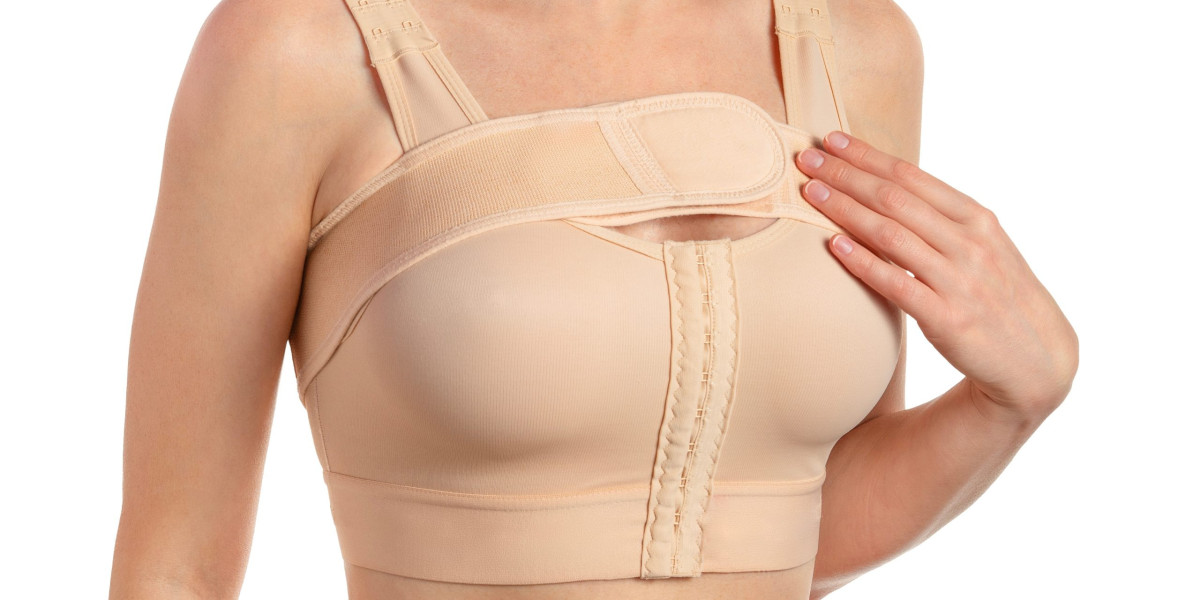
In the world of post-operative fitness, the sports bra is your most important tool. For the first two months, you should wear a high-support, high-compression, wire-free sports bra during all waking hours, especially during exercise.
Compression is Key: The goal is to minimize movement. Even light walking creates a "bounce" that pulls on the skin. A high-compression bra acts as a secondary support system, protecting the internal sutures until they are fully integrated.
Avoid Underwires: For at least the first 6–12 weeks, avoid underwire bras entirely. The wire can sit directly on your healing incision lines, causing irritation, potential skin breakdown, or even infection. Stick to high-quality, seamless, compression-based athletic bras.
Listening to Your "Body Signals"
Your body will provide feedback throughout your return to exercise. Learning to interpret these signals is a skill that will protect your surgical result:
The Pulling Sensation: If you feel a dull, pulling ache along your incision lines, you are likely putting too much tension on the skin. Stop the activity and re-evaluate the weight or intensity.
The Swelling Test: If you notice that your breasts look more swollen or feel "fuller" after a workout than they did before, you have exceeded your body’s current ability to manage the inflammatory response. This is a sign to reduce your intensity.
The Fatigue Factor: Surgery taxes the body's reserves. If you feel disproportionately exhausted after a workout, allow for an extra day of rest. Your body needs energy to maintain the tissue repair process.
Lifestyle Tips for the Riyadh Athlete
If you live in Riyadh, you know that the climate is a major consideration.
Climate Control: During your recovery, prioritize indoor fitness in climate-controlled environments. High heat and humidity lead to excessive sweating, which can irritate incision sites and increase the risk of fungal or bacterial growth.
Hydration: Intense hydration is essential for tissue recovery. Ensure you are consuming adequate electrolytes, especially if you are engaging in walking or light movement in the heat.
Hygiene: After any movement that causes sweating, cleanse your surgical area gently (as per your surgeon's instructions) to keep the incision sites clean and dry.
The Goal: A Sustainable Result
The temptation to "rush" back to the gym is often driven by a desire to get back to a sense of normalcy. However, consider this: the exercise you do three months from now will be far more effective and enjoyable if you haven't compromised your surgical results by rushing your recovery today. By treating your return to fitness with the same discipline you used to prepare for your surgery, you are ensuring that your rejuvenated shape remains beautiful and firm for years to come.
Ultimately, remember that your breast lift is a long-term investment. Taking a few extra weeks to ease back into your favorite sport or lifting routine is a small, temporary sacrifice that protects the longevity of your result. Stay patient, stay consistent with your compression, and celebrate the small wins as you regain your strength and confidence in your new silhouette.